
Unbiased headlines. Facts, not spin.
Every story is an unbiased news briefing written from 110+ sources across the spectrum — sources linked so you can verify it yourself.
 defense
Major Story (7/10)
July 29, 2026 at 08:26 AM
defense
Major Story (7/10)
July 29, 2026 at 08:26 AM
Iran Considered Ballistic Missile Strike on Ukrainian Port After Ship Attack, Then Backed Off
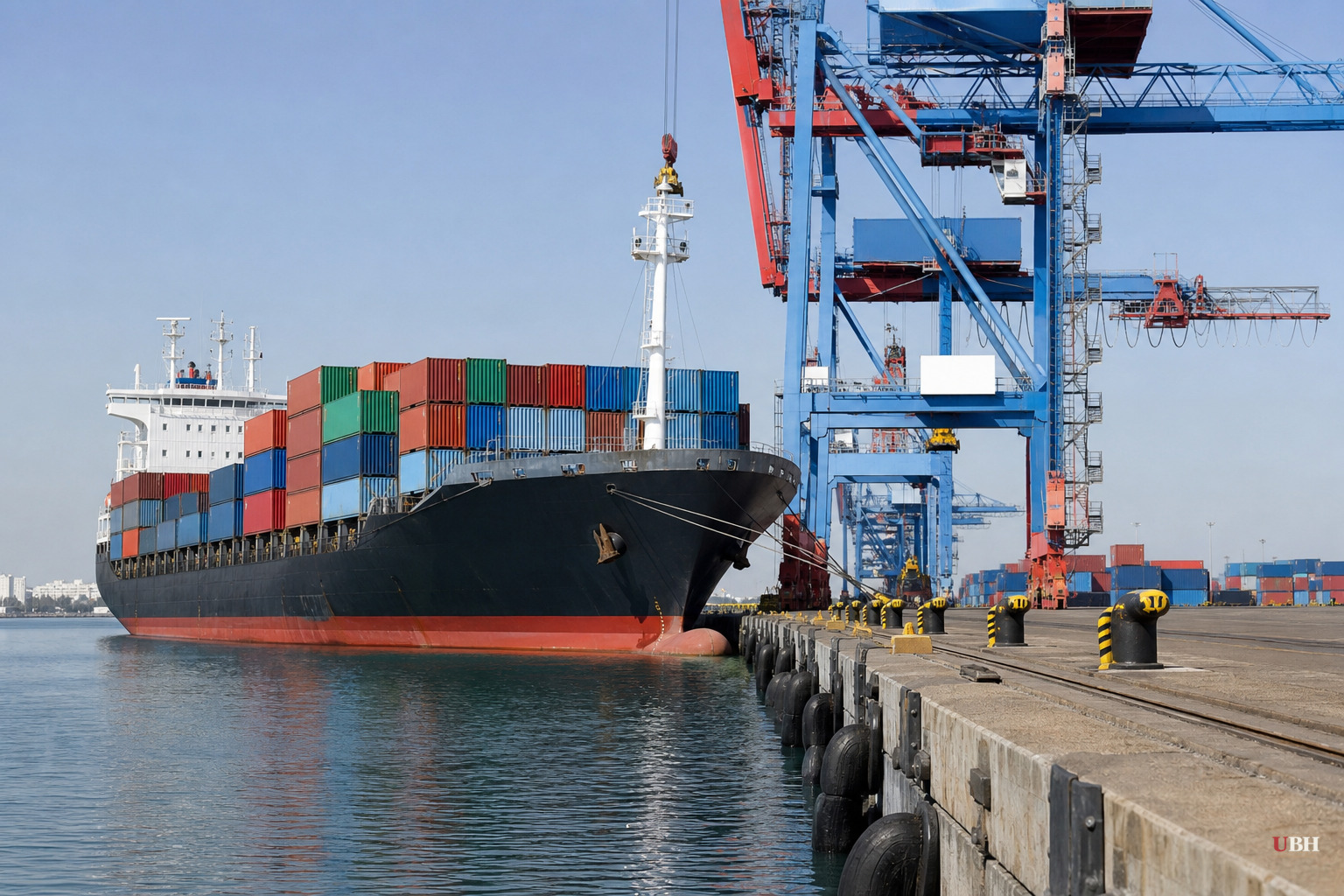
Iran seriously considered firing a ballistic missile at a Ukrainian seaport after Ukraine struck an Iranian cargo ship in the Caspian Sea, according to Iranian and Western officials who spoke to The New York Times.
On Saturday, Ukrainian forces hit a Russian warship along with vessels Kyiv says were used to move Iran-linked military cargo in the Caspian Sea, President Volodymyr Zelensky said. One Iranian civilian sailor was killed and another injured, according to Iran's Foreign Ministry, which condemned the strike the same day.
According to the Times, people familiar with the intelligence assessments expected Iran to respond with a ballistic missile carrying a small warhead, aimed as a symbolic warning rather than a strike meant to cause major damage. Other officials told the paper a Ukrainian Black Sea port was the likely target. Any missile fired from Iranian territory at Ukraine would represent a real escalation given Tehran's alliance with Moscow, raising the risk of Iran effectively opening a second front tied to Russia's war.
How it got walked back
According to Ukrainska Pravda's translation of the Times reporting, Iranian officials speaking anonymously said they hoped a retaliatory strike would end the confrontation, while Western officials cautioned that predicting Ukraine's response was difficult. This posed a dangerous dynamic: a government hoping one strike settles things facing an adversary whose reaction is uncertain.
Diplomacy intervened instead. Ukraine's acting Foreign Minister Andrii Sybiha called Iranian Foreign Minister Abbas Araghchi shortly after Tehran's threats surfaced, according to RBC-Ukraine. Sybiha reportedly told Araghchi that Kyiv's strikes are aimed at defending against Russian aggression, not at Iran, and pressed Tehran to stop supporting Russia's war effort.
Araghchi had called the ship attack a violation of the UN Charter on Sunday and wrote on social media that it was designed to "drag Europe into Iran's war against the United States." He said the incident "cannot go unanswered." But following his Tuesday call with Sybiha, Araghchi said the Ukrainian minister described the strike as unintentional, and Araghchi's own posted response softened: "Iran does not seek escalation either, but made clear any attack on our citizens or interests is unacceptable. There must be restitution for losses."
Araghchi also spoke Tuesday with the EU's top diplomat, Kaja Kallas, about reducing regional tensions, according to RBC-Ukraine's report.
Not everyone in Tehran agreed
Mehdi Rahmati, an analyst described by RBC-Ukraine as close to the Iranian government, said some Iranian politicians pushed for a retaliatory strike on Ukraine while others urged restraint. His reasoning stands out as the strongest argument against escalation: "Ukraine is not a small, insignificant country. It has warfare experience, and logistical support from America and Europe. We won't gain anything by creating a new front in the war."
That's a specific case for restraint, not just diplomatic face-saving. Iran is already stretched from its own conflict with the U.S. and Israel. Opening a shooting war with a battle-hardened Ukrainian military backed by Western logistics would be a strategic gamble with little apparent upside for Tehran.
The Kremlin's angle
Russia used the incident to push its own narrative. Kremlin spokesman Dmitry Peskov said Tuesday that a Ukrainian attack on an Iranian vessel should be treated as an assault on Iran itself, according to The Jerusalem Post. Peskov accused Kyiv of widening the "geographical scope" of what he called "terrorist attacks," and repeated Moscow's unproven claim that Ukraine blew up the Nord Stream pipelines, something Kyiv denies. He also accused Ukraine of harming Kazakhstan's interests by targeting the CPC pipeline infrastructure. "This threat must be neutralized and definitively destroyed," Peskov said.
None of Peskov's specific accusations, on Nord Stream or the CPC pipeline, are established facts. They're Kremlin claims, and Ukraine denies the Nord Stream allegation. Russia has an obvious interest in framing Ukraine as an indiscriminate aggressor to justify pulling Iran deeper into the war on Moscow's side.
What's still unresolved
Zelensky, during his most recent visit to the United States, pledged to hand over intelligence on Russia's military support for Iran, according to Ukrainska Pravda's account of the Times report. Ukrainian officials have said Russia supplied Iran with satellite imagery of U.S. military bases in the Middle East, though that claim hasn't been independently verified in these reports.
Araghchi's public position is that Iran wants "restitution for losses" from the sailor's death, not war with Ukraine. Whether that demand gets resolved diplomatically, or resurfaces the next time Ukraine strikes a vessel Tehran says is civilian, remains an open question. For now, the missile stayed in its silo. The Iran-Russia alliance, and Ukraine's stated willingness to target ships tied to it, both remain fully in place.
Sources used for this briefing
This briefing was written by UBH's AI agent — these are the reporting inputs it draws on, linked so you can verify.


