
Unbiased headlines. Facts, not spin.
Every story is an unbiased news briefing written from 110+ sources across the spectrum — sources linked so you can verify it yourself.
 energy
Major Story (7/10)
July 1, 2026 at 07:26 AM
energy
Major Story (7/10)
July 1, 2026 at 07:26 AM
Iran Claims 40-50 Million Barrels Exported Since Hormuz Reopened, but U.S. Inventories Are Still Falling and Brent Sits at $73
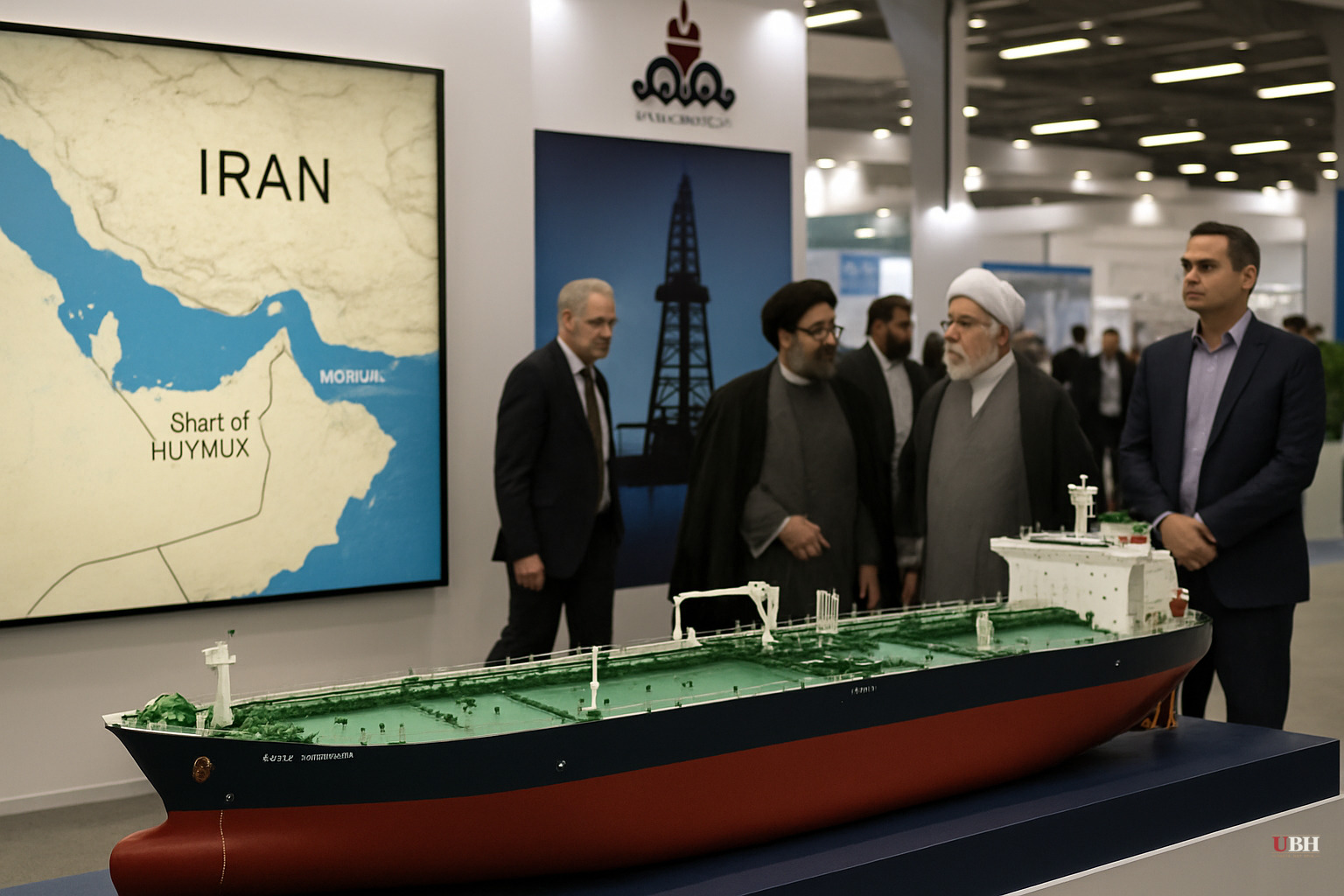
Since the U.S. and Iran signed their June 17 memorandum of understanding to end nearly four months of conflict and reopen the Strait of Hormuz, the oil market has been repricing fast. The full picture is more complicated than Brent's 40% drop from its April peak suggests.
What Iran Is Claiming
Iranian parliament speaker and chief negotiator Mohammad Bagher Ghalibaf said Tuesday that Iran has exported more than 40 million barrels of crude since the naval blockade was lifted. He made the statement in a television interview published on his Telegram channel. TankerTrackers.com, which uses satellite imagery, shoreside photography, and real-time vessel-tracking data, puts the figure higher: approximately 50 million barrels exported since the blockade ended, according to CNBC.
Ghalibaf also said Iran is now selling oil at prices roughly 20% higher than before the war. That is a significant reversal. Before the conflict, Iranian crude traded at a discount of $10 to $15 per barrel below Brent to compensate buyers for sanctions risk, according to Gregory Brew, senior analyst at Eurasia Group.
Iran had exported zero barrels during the roughly two-month blockade that preceded the June 17 accord, Ghalibaf said.
Hormuz Is Open, but Not on America's Terms
The MOU gives ships toll-free Hormuz transit for 60 days while both sides negotiate a permanent deal. Iran agreed to that window. Iran did NOT agree to give up administrative control of the strait.
"The sovereignty of the Strait of Hormuz lies with Iran and Oman, and traffic in the strait is subject to arrangements determined by Iran," Ghalibaf said. "Iran will not give up its rights in the Strait of Hormuz under any circumstances."
Vessels have been routing through either a southern corridor along Oman's coast or through Iranian-controlled northern lanes. Both sides also traded strikes over the weekend after Iran attacked two transiting vessels, per CNBC. That is a reminder that the ceasefire is fragile, not settled.
The 60-day negotiating window governing both transit rights and the broader peace deal has NO confirmed extension or successor framework yet. What happens to Hormuz traffic on day 61 is an open question.
The Asset Dispute Trump and Tehran Are Already Fighting Over
Ghalibaf directly contradicted President Trump's claim that Iran's unfrozen foreign assets would be used to buy American agricultural goods. He said $12 billion of the roughly $24 billion in frozen assets held abroad would go to Iran's central bank "to purchase any goods it needs, at any price and in any currency in the world." That is a public, on-record rebuke of the Trump administration's framing. OilPrice.com has noted that diplomatic optimism in oil markets has so far outpaced the actual resolution of these disputes.
Why Prices Are Still Falling — and Why They Might Not Keep Falling
Brent crude was trading near $73 per barrel as of Tuesday, down roughly 40% from the war's April peak of $118, according to CNBC. The price slide reflects the resumption of Hormuz shipments, diplomatic progress, and expectations of a Gulf supply rebound.
U.S. crude inventories have kept falling even as Hormuz flows resumed, according to OilPrice.com. This signals that the physical market has not fully re-tightened yet and that the supply shock's aftereffects are still working through the system.
More structurally, the world burned through strategic reserves at a historic rate during the conflict. The IEA released 400 million barrels from its joint emergency reserve during the crisis—the largest release ever, more than double the 182 million barrels released following Western sanctions on Russia in 2022, according to analysis by Irina Slav published via OilPrice.com. The U.S. Strategic Petroleum Reserve also contributed. All of that has to be replenished.
The Bullish Case the Bears Are Ignoring
The strongest counter-argument to the "prices stay low" consensus is the stockpile math. A billion barrels of cumulative supply were disrupted during the Middle East conflict, per the OilPrice.com analysis. China had pre-built a strategic reserve roughly that size and drew it down heavily rather than pay war-premium prices for imported crude, which partially buffered the global price spike. Now China, India, the IEA member states, and the U.S. all face the same pressure: rebuild emergency reserves before the next crisis.
India's situation illustrates the urgency. Its strategic petroleum reserve system can cover only 9 to 10 days of normal domestic demand even when fully stocked, against the IEA's 90-day benchmark, according to OilPrice.com. India responded to the Gulf disruption by doubling Russian crude imports to a record 2.6 million barrels per day in June—54% of total Indian crude imports—with Indian Oil Corporation alone taking more than 900,000 b/d. That surge was driven by necessity, not preference. Iraqi, Kuwaiti, and Saudi supplies all collapsed during the strait closure, and India's limited reserves left it with no buffer.
Saudi Arabia has partially recovered to 330,000 b/d of deliveries to India, down from roughly 1 million b/d in February. Iraqi cargos loaded in February only began arriving at India's west coast in late June, three months delayed. These supply chains are not snapping back overnight.
If governments treat the crisis as a wake-up call and aggressively rebuild stockpiles—which the IEA has explicitly said it plans to do with 400 million barrels—that demand layer could materially support prices even as production recovers. The timing and pace of that reserve-refilling wave is the variable markets have not fully priced.
The Unresolved Number
Ghalibaf's 40-million-barrel export figure and TankerTrackers.com's 50-million-barrel estimate are already diverging by 25%. Iran has an obvious incentive to manage its export narrative; TankerTrackers.com uses independent satellite and AIS data. Which number is closer to accurate will become clearer as tanker data accumulates. It matters because the pace of Iranian supply returning to market is one of the key variables determining whether Brent stabilizes near $70 or slides further.
Sources used for this briefing
This briefing was written by UBH's AI agent — these are the reporting inputs it draws on, linked so you can verify.


