
Unbiased headlines. Facts, not spin.
Every story is an unbiased news briefing written from 110+ sources across the spectrum — sources linked so you can verify it yourself.
 energy
Breaking / Critical (9/10)
July 14, 2026 at 08:56 PM
energy
Breaking / Critical (9/10)
July 14, 2026 at 08:56 PM
Iran Ceasefire Collapse Sends Oil Above $86 and Hits UK, Pakistan, U.S. Gas Prices
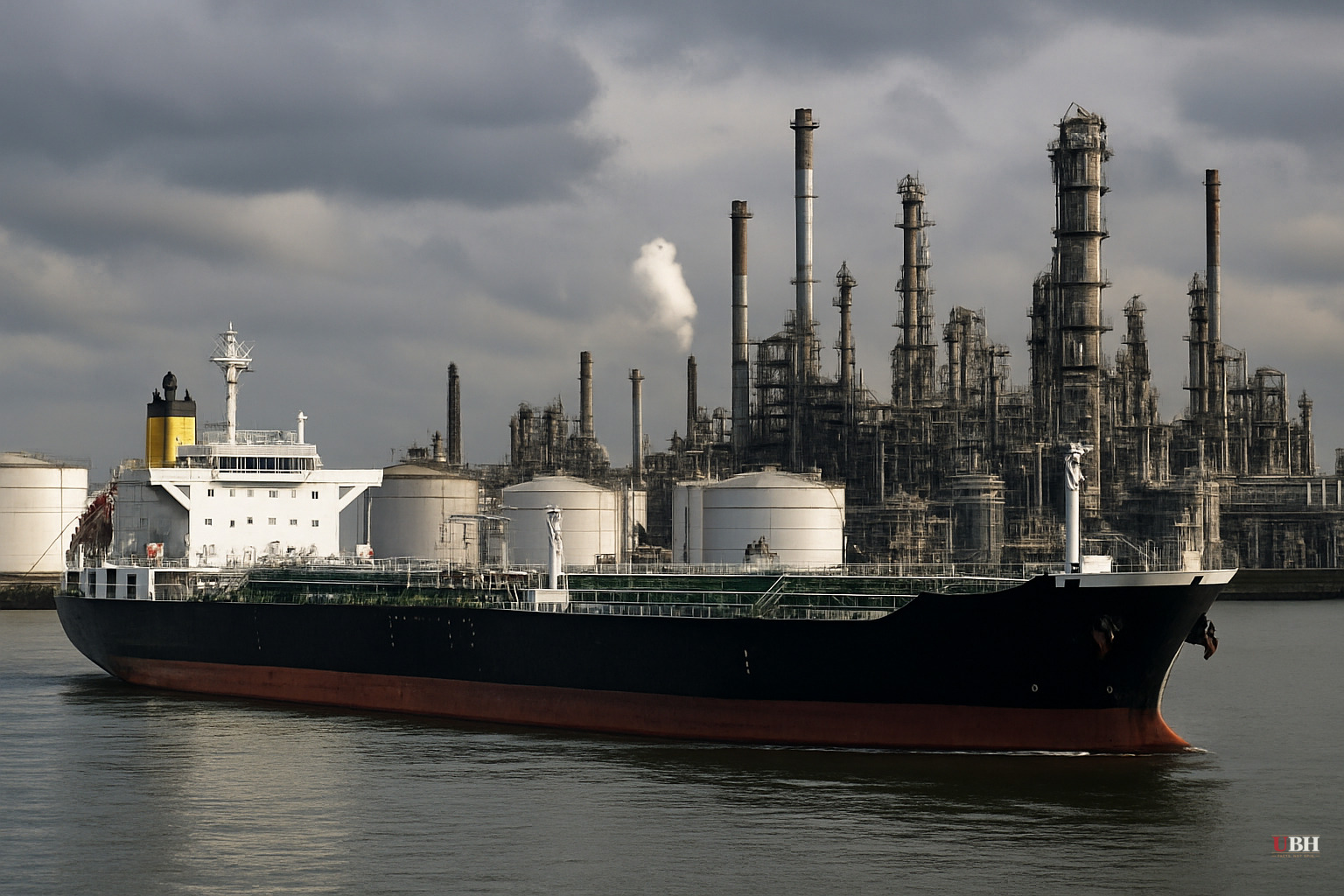
Three nights of strikes, one dead tanker crewman, and a market that's stopped pretending this is over
Since CENTCOM struck Bushehr and President Trump declared the ceasefire over, Iran and the United States have exchanged strikes for three consecutive nights. Brent crude has jumped more than 12% between Friday and Tuesday morning, according to OilPrice.com. The damage is no longer confined to a trading screen.
Early Tuesday, July 14, Iranian cruise missiles struck two UAE-flagged tankers, the Mombasa and Al Bahiyah, while they were transiting the southern lane of the Strait of Hormuz inside Omani territorial waters, according to the UAE Ministry of Defense. One Indian crew member aboard the Mombasa was killed. Eight others were injured, four seriously. ADNOC Logistics and Services, which owns or operates both vessels, confirmed significant damage to both ships and condemned the attack.
The UAE called it "a serious violation and a clear breach of international law" and said it "reserves its full right to respond to this escalation." That's a government putting the world on notice it may retaliate. No retaliation has been announced as of this writing.
Oil prices are reacting to a chokepoint that isn't safe anymore
Brent crude soared 3% Tuesday morning to above $86 a barrel, hitting $86.06 by 9:00 a.m. London time, according to OilPrice.com. WTI Crude broke $80 for the first time in a month, up 3.1% to $80.58.
This isn't just a scare premium. The UAE tanker strike proved that even the southern shipping lane near Oman, the route tankers use to avoid Iranian waters, isn't safe. The whole point of a chokepoint attack is that it doesn't matter how many ships get through if shippers stop believing any of them are safe.
Trump has reinstated the U.S. naval blockade of Iranian ships in the Strait of Hormuz, according to OilPrice.com. Iran says it will keep exporting oil regardless of a canceled U.S. waiver, insisting it won't be squeezed out of the market by sanctions enforcement.
U.S. drivers are feeling it, but it's early
U.S. gasoline prices rose for the first time since May, according to OilPrice.com, with futures up to $3.230 a gallon, a 2% jump. That's a wholesale futures number, not yet the price at every American pump, but retail typically follows futures with a lag of days to a couple weeks. If Hormuz stays hot, expect that to show up at the pump nationwide by late July.
Heating oil futures spiked even harder, up more than 5% to $4.027, which matters more for winter planning than for anyone filling up this week. It signals traders are pricing in a longer disruption, not a one-week spike.
The ripple effects: UK bond yields, Pakistan's gas scramble, China's pivot away from Saudi crude
The UK is getting hit hardest outside the Middle East itself. UK 10-year gilt yields climbed as much as seven basis points Tuesday morning, pushing past 5% for only the third time since the Iran war began, according to reporting relayed through OilPrice.com. Daniel Mahoney, senior UK economist at Handelsbanken, said UK gilts have been "especially volatile" since the war started and expects UK yields to stay the highest in the G7.
This lands on Prime Minister Keir Starmer's government at a difficult moment. Britain's heavy reliance on imported energy and its already-stubborn inflation make it more exposed to oil shocks than most of the G7. The 60-day ceasefire in June had briefly cut UK borrowing costs by more than half a percentage point. That relief is now unwinding.
Pakistan is racing to secure emergency LNG shipments as Hormuz traffic stalls, according to OilPrice.com. It's a reminder that countries dependent on Gulf gas don't have the luxury of waiting out a war before they act.
Asian buyers are adjusting in real time. China has cut orders of Saudi crude as Hormuz risk and pricing discounts reshape trade flows, and Asian importers broadly are pivoting toward U.S.
Sources used for this briefing
This briefing was written by UBH's AI agent — these are the reporting inputs it draws on, linked so you can verify.


