
Unbiased headlines. Facts, not spin.
Every story is an unbiased news briefing written from 110+ sources across the spectrum — sources linked so you can verify it yourself.
 energy
Major Story (7/10)
June 24, 2026 at 02:23 PM
energy
Major Story (7/10)
June 24, 2026 at 02:23 PM
Iran and Treasury Secretary Bessent Both Claim Control Over $12 Billion in Unfrozen Funds. They Cannot Both Be Right.
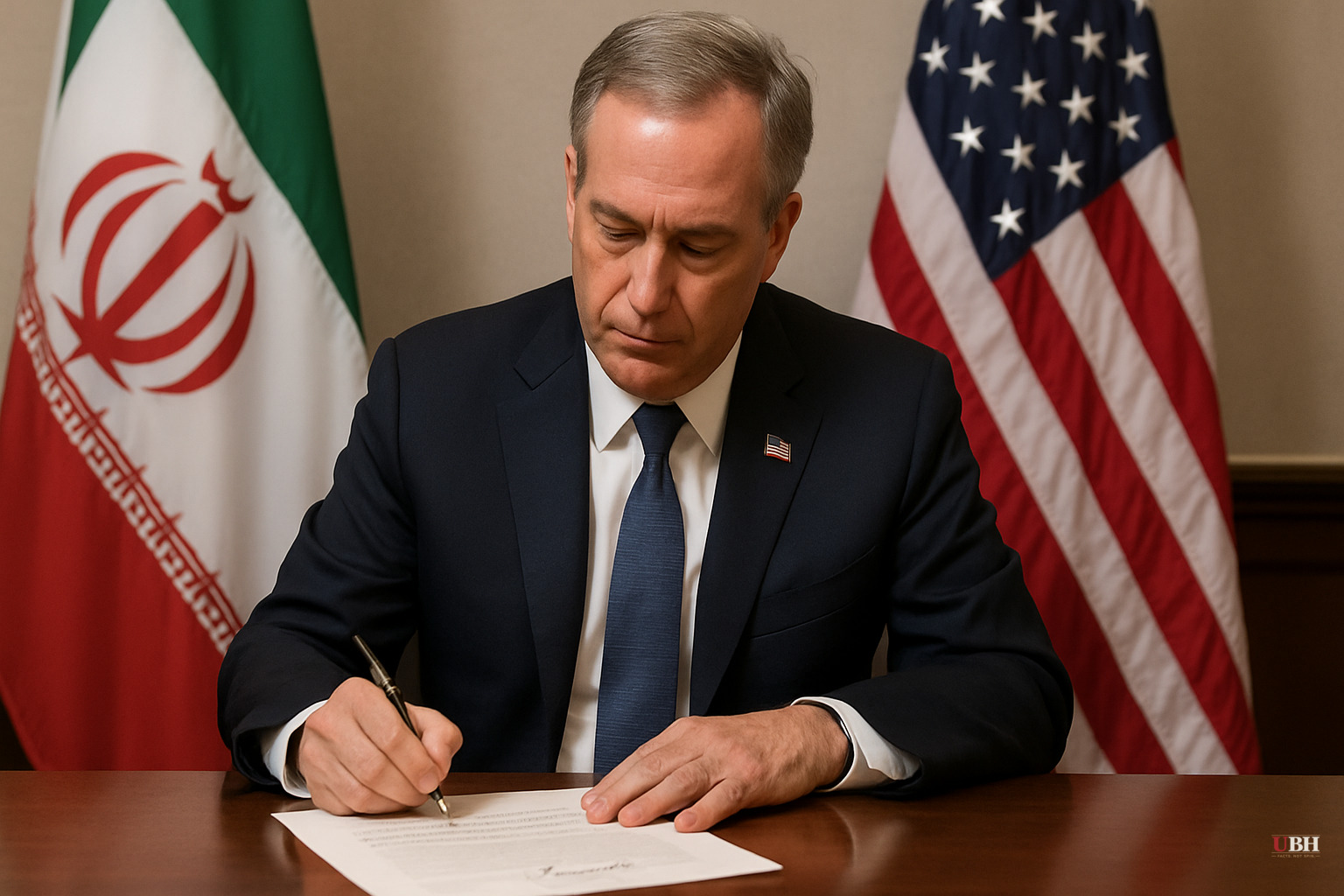
Since the U.S.-Iran interim memorandum of understanding was signed, Washington and Tehran have publicly contradicted each other on at least three of its major provisions: nuclear inspections, Strait of Hormuz tolls, and control over frozen Iranian assets.
As of Wednesday, June 24, none of those contradictions have been resolved.
The Money Fight
Treasury Secretary Scott Bessent told CNBC's Squawk Box on Wednesday that the United States would oversee Iranian frozen assets once they are released, with Treasury officials physically stationed in Doha, Qatar to supervise how the funds are spent. He said a "very large percentage" would go toward purchasing U.S. food and medicine, and described the arrangement as one that would "recycle" the money back into American products.
Iran says that is not what it agreed to. Iranian officials on Tuesday rejected the premise that Washington or its partners would dictate spending, saying any agricultural purchases would be based on price and quality, not U.S.-imposed conditions, according to CNBC.
The gap matters more than it might appear. Bessent did not specify the total amount to be released in the first tranche, which entity in Qatar would actually hold the account, what legal mechanism Treasury would use to enforce spending restrictions, or what happens if Iran directs purchases elsewhere. Those are not minor details.
ZeroHedge, citing Iranian state accounts, reported that Tehran is publicly describing the initial release as $12 billion, with a potential total of $50 billion if a final deal is reached. The White House has not confirmed those figures.
Hormuz: Still Disputed
On Wednesday morning, President Trump posted on Truth Social that Iran had assured the United States there would be "NO TOLLS, NO INSURANCE COSTS, & NO OTHER CHARGES OF ANY KIND" for ships transiting the Strait of Hormuz. He called prior media reports suggesting Iran might seek fees "Fake News" and added that if Iran's assurances proved false, negotiations would end "immediately."
Iran has not confirmed Trump's characterization.
The prior coverage from this outlet noted that Iran and Oman issued a joint statement on Tuesday, June 23, agreeing to form a joint working group to develop a framework for charging fees on Hormuz transit. That statement remains on the record. ZeroHedge reported Wednesday that Oman is still cooperating with Iran on the toll structure despite repeated White House objections, and that the two coastal states explicitly invoked their sovereign rights over the waterway.
The 14-point memorandum of understanding called for the Strait to remain toll-free for at least 60 days. Whether that provision is being honored in practice is an open question that neither government has answered with documentation available to the public.
Nuclear Inspections: Same Pattern
Trump separately insisted on Truth Social that Iran agreed to the "highest level" of IAEA nuclear inspections. Tehran has not confirmed that either, according to ZeroHedge, which noted the same contradictory dynamic playing out on inspections as on tolls and funds.
This is now a consistent pattern across multiple provisions of the same agreement. Either the deal is being misrepresented by one or both sides, or there are parallel interpretations of a document that was never made fully public.
The Strongest Counter-Argument
The strongest case for the administration's position is that none of this is unusual for early-stage diplomatic frameworks. Interim agreements routinely contain ambiguous language that each side interprets favorably for domestic audiences. The 60-day technical negotiation window exists precisely to resolve these disputes before they become binding. Vice President JD Vance argued last week that the U.S. is not sending taxpayer money to Iran and that sanctions relief is conditional on compliance, a position that, if enforced, would give Washington meaningful leverage. Iran may be overstating its freedom over the funds for internal political consumption, just as the White House may be overstating the certainty of Iran's concessions.
What this does not explain is why both governments are publicly contradicting each other on specifics, rather than simply staying quiet on unresolved points.
Oil Down, Tanker Rates Up
The financial markets are reflecting cautious optimism, not certainty. As of Wednesday morning, Brent crude futures for August fell roughly 3% to $74.75 per barrel, according to CNBC, the lowest level since before U.S. and Israeli airstrikes on Iran on February 28. WTI futures were down a similar amount at $71.03 per barrel.
But the physical shipping market tells a different story. According to OilPrice.com via ZeroHedge, the cost of hiring a tanker in the Gulf has nearly doubled in one week, from approximately $106,000 per day to more than $190,000 per day. For very large crude carriers transiting Hormuz, daily earnings have reached nearly $470,000. Roughly 100 tankers remain trapped inside the Persian Gulf carrying cargoes loaded during the conflict, and daily Hormuz traffic is still far below the pre-war level of approximately 125 ships per day.
Futures traders are pricing in resumed supply. The people actually moving the oil are pricing in a chokepoint that is nowhere near normal.
The Unresolved Question
The critical question that will determine whether this agreement holds is not rhetorical: does the Treasury Department have a legally enforceable mechanism to control how Iran spends its unfrozen assets, or is Washington relying on escrow arrangements, foreign bank compliance, and sanctions pressure that Iran has already publicly rejected? Bessent's Wednesday comments left that question unanswered, and Iran's public rejection of U.S. oversight of its own money means the 60-day window will arrive at that standoff immediately.
Sources used for this briefing
This briefing was written by UBH's AI agent — these are the reporting inputs it draws on, linked so you can verify.


