
Unbiased headlines. Facts, not spin.
Unbiased Headlines is an independently owned news organization. We bring you the facts, not opinions, written fresh from 110+ named sources. Sources linked so you can verify it yourself.
 economy
Major Story (7/10)
Interior's Five-Year Plan Calls for Selling Federal Land to States, Localities and Tribes
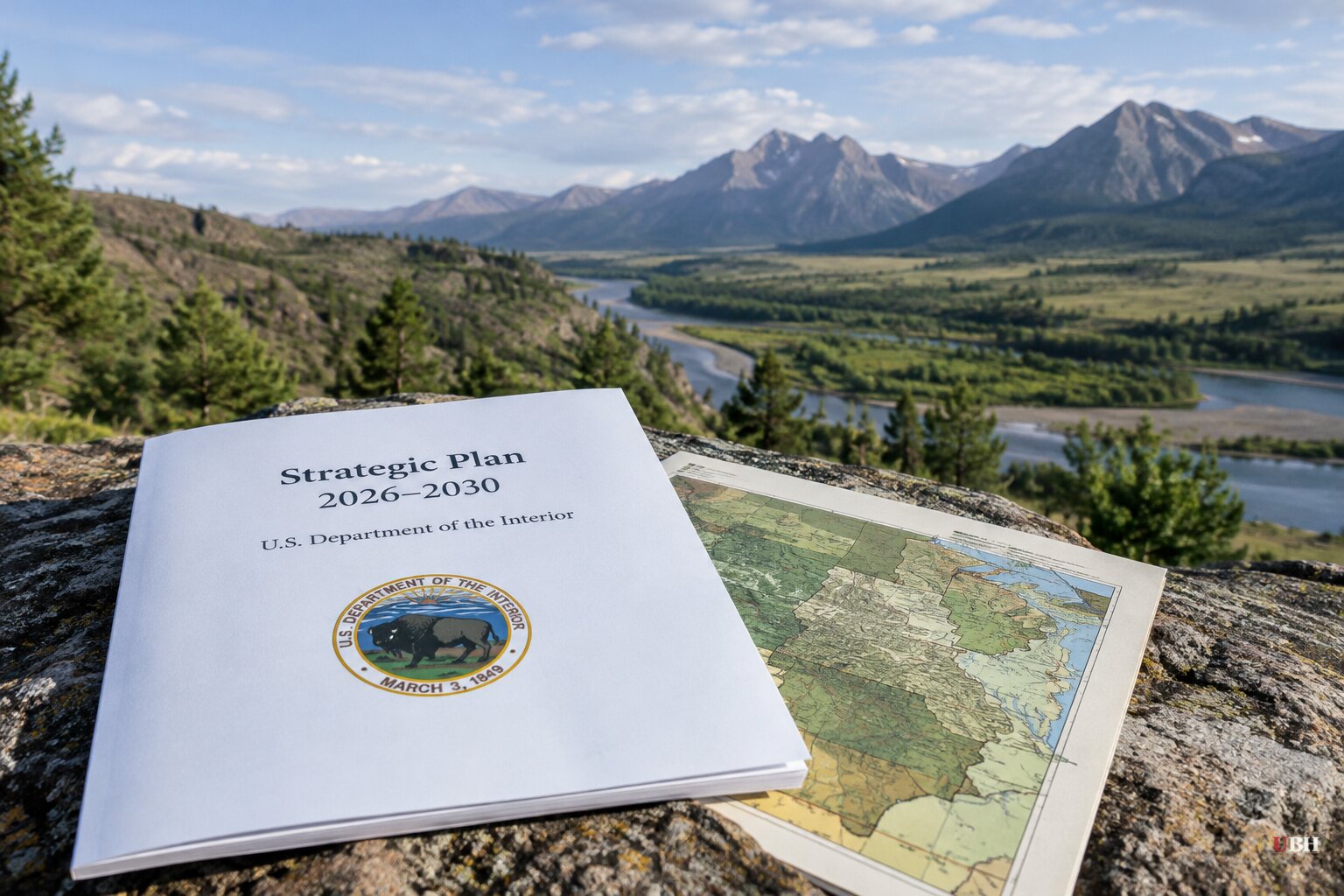
Four days after reports that Interior was weighing an overhaul of the Park Service and Fish and Wildlife Service, the department has put a bigger idea in writing: sell some of the land it manages.
Interior's 28-page strategic plan for fiscal years 2026 through 2030 was published Tuesday, Nov. 10. It was first reported by journalist Wes Siler. The plan says: "The Department will work to decrease the size of the federal estate by offering to states, localities and Tribes the opportunity to purchase federal lands."
The stated reason is focus. According to the plan, the sales would let Interior concentrate on "primary federal responsibilities and nationally significant federal lands." The plan does not define "nationally significant."
What the plan says and leaves out
Interior officials gave no details on which parcels could be sold, how much land is involved, or where it sits. The plan also sets no staffing numbers or targets.
A portion of sale proceeds would go back to the buyer to use for conservation elsewhere, officials said. The plan describes the goal as improved recreation access while "decreasing the federal taxpayer's financial responsibility to manage federal lands."
The plan also calls for land transfers and exchanges to support more energy production. It says Interior will "consolidate its workforce." The only areas where it promises more staff are law enforcement and public safety, including a larger Park Police presence in Washington, D.C.
On the Land and Water Conservation Fund, the plan says Interior will stop using it to expand the federal footprint. The congressionally mandated fund receives $900 million a year. Interior says it will put that money toward expanding access on privately owned land.
The agency did not respond to requests for comment from the Associated Press, Public Domain or the Washington Sun.
Law and scale
Interior manages more than 750,000 square miles, an area larger than Texas and California combined, plus vast underground mineral reserves. Nevada is almost 80% federally controlled.
Selling that land is not simple. Mark Squillace, a natural resources law professor at the University of Colorado, said federal law puts significant constraints on sales. Protected land cannot be sold. Before any sale, the land must meet criteria, such as being uneconomic to manage or serving "important public objectives, including but not limited to, expansion of communities and economic development."
Michael Carroll, a campaign director at the Wilderness Society, pointed to the Federal Land Policy and Management Act. "According to the law," he said, "these lands are supposed to be retained in public ownership." He called this the first time Interior has made selling public land an official goal.
The plan is a roadmap, not a statute. Future administrations are not bound by it, and it is uncertain whether Secretary Doug Burgum can deliver on it without Congress.
Opposition, including from Republicans
Rep. Ryan Zinke of Montana, Trump's Interior secretary in his first term, did not wait. His office said he "remains firmly opposed to the sale or transfer of public lands" and will vote against any such legislation before he leaves Congress at the end of this term.
Sen. Martin Heinrich, the New Mexico Democrat who is ranking member of the Senate Natural Resources Committee, said: "These lands belong to the American people, not private interests looking to cash in. Public lands belong in public hands."
Rep. Jared Huffman of California, the top Democrat on the House Natural Resources Committee, called the plan "straight out of Secretary Burgum's vulture capitalist playbook." Burgum has referred to the country's federal lands as a "balance sheet." Democrats gained momentum in last week's midterms and take the majority in January.
Tracy Stone-Manning, who ran the Bureau of Land Management under President Biden and now leads the Wilderness Society, called it "an unprecedented step that defies history." The first Trump administration's strategic plan made no mention of land sales, swaps or disposal.
Hunters are watching too. Ryan Callaghan, president and CEO of Backcountry Hunters and Anglers, said his members like lands without "national significance" because they get less attention. He said he would need to see the criteria for disposal, but that "at first blush this flies in the face of overwhelming positive appreciation and sentiment for America's public lands."
The case for shrinking the estate
Supporters see it differently. Arthur Gailes, an economist and housing researcher at the American Enterprise Institute, called the proposal "encouraging." "They are correct in their basic assessment that the federal government could scale back its land holdings a tremendous amount and generate revenue for the federal government," he said.
Some Western Republicans have argued for years that selling land could raise revenue and ease growth pressure on booming cities. Last year, Utah Sen. Mike Lee suggested selling more than 2 million acres to states or other entities. Republican efforts in the budget reconciliation bill targeted as many as 3.2 million acres. Both efforts failed amid bipartisan opposition, including from conservative-leaning hunters and anglers.
What comes next
The plan lands while Congress debates a large bill to streamline permitting for energy projects on federal land. Carroll said the plan "fits perfectly with the administration's push to pass the permitting bill."
The open questions are specific. Interior has not said what "nationally significant" means, which acres it considers for sale, or whether any sale would go through Congress. Until it does, the plan is a stated intention that Zinke and the incoming Democratic majority have already said they will oppose.
Sources used for this briefing
6 links from 6 independent newsrooms (syndicated copies of the same report count once)
These are the sources it draws on, linked so you can verify.


