
Unbiased headlines. Facts, not spin.
Every story is an unbiased news briefing written from 110+ sources across the spectrum — sources linked so you can verify it yourself.
 energy
Major Story (7/10)
June 22, 2026 at 07:36 PM
energy
Major Story (7/10)
June 22, 2026 at 07:36 PM
Interior Proposes Cutting Federal Well Bonds from $500,000 to $25,000 and Shortening Public Comment to 10 Days
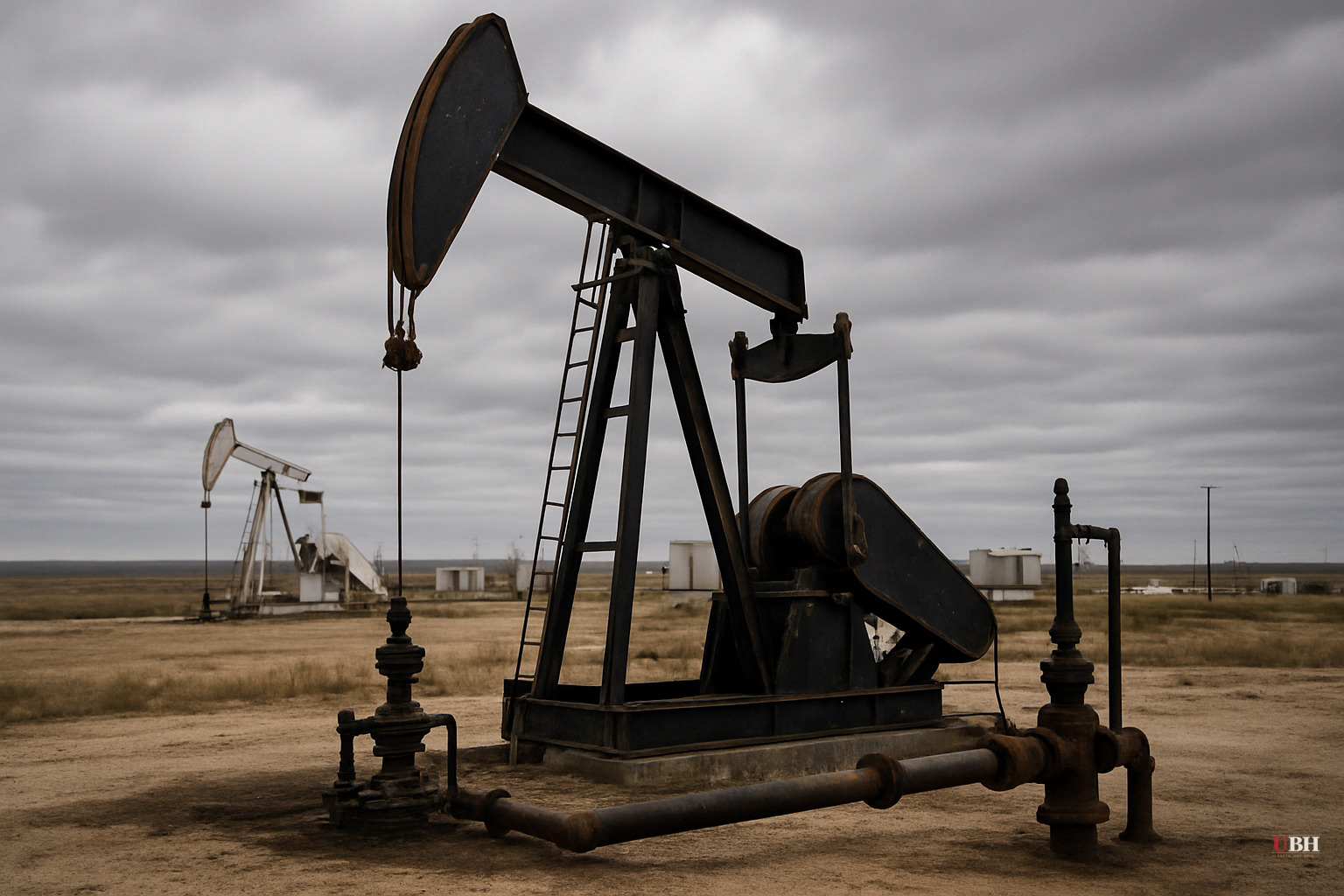
The Department of the Interior on June 22 released two coordinated proposed rulemakings targeting Bureau of Land Management oil and gas regulations on federal lands. Both proposals, reported by Reuters and World Oil, are aimed at reducing costs for energy operators and accelerating domestic production.
The Bond Cut
The most significant financial change: Interior proposes dropping the statewide bonding requirement from $500,000 to $25,000. That $500,000 level was set during the Biden administration. Interior says the $25,000 figure restores the previous standard.
These bonds exist for a specific reason. If an oil or gas company goes bankrupt or walks away from a lease, the bond funds the plugging of abandoned wells. According to a 2021 analysis by Resources for the Future, a non-partisan energy research nonprofit, it costs roughly $20,000 to plug a single well.
Do the math. A $25,000 statewide bond would cover the cleanup cost of approximately one well per state, on average. An operator with dozens of wells in Wyoming or New Mexico would be bonded at a fraction of actual cleanup exposure. Interior said it is seeking public input on future bonding levels, which signals the agency acknowledges the number is not necessarily final.
What Else Is on the Table
Beyond the bond reduction, according to World Oil, Interior's proposed leasing rule would:
- Shorten the public participation period in oil and gas permitting from 90 days to 10 days
- Authorize noncompetitive leasing after competitive auctions
- Eliminate the expression-of-interest leasing preference review process
- Modernize filing fees
- Cap lease suspension approvals at one year
The proposed waste prevention revisions would eliminate requirements for waste minimization plans and self-certification statements filed with permit applications. Interior estimates those changes would cut compliance costs by nearly $17 million per year.
Interior Secretary Doug Burgum framed the package as overdue deregulation. "These targeted updates cut through the red tape that has historically deterred investment, ensuring our public lands remain a reliable engine for economic growth and innovation," Burgum said in a statement quoted by Reuters.
The Methane Question
The proposal also rolls back requirements designed to reduce methane emissions from drilling operations. Methane is a potent greenhouse gas. It leaks from drill sites, pipelines, and wellheads, and its short-term warming effect is significantly stronger than carbon dioxide. The Biden-era rules tried to address that directly.
The strongest argument against rolling back methane rules is not just environmental. Methane leakage is wasted product. Gas that escapes into the atmosphere is gas that does not get sold. Some industry analysts argue smarter methane controls can actually improve operator economics, not hurt them. The Trump administration's counterargument is that the compliance overhead, specifically the permitting and reporting paperwork, imposes costs that outweigh those benefits for smaller operators on federal lands.
This is a genuine policy disagreement. Whether the $17 million in annual savings is distributed mainly among large producers who would have complied anyway, or genuinely helps marginal operators, is not established in the sources.
The Taxpayer Exposure Problem
Environmental and fiscal watchdogs have raised a concern worth stating clearly: orphaned wells are already a national liability. The federal government has estimated hundreds of thousands of abandoned wells exist across the country, many with no responsible party left to pay for cleanup. Congress appropriated funds through the Infrastructure Investment and Jobs Act specifically to address that backlog.
If Interior cuts the bond floor to $25,000 statewide while operators hold multiple wells, and one of those operators later goes insolvent, the gap between bond coverage and actual plugging costs lands on taxpayers. It has happened repeatedly under prior low-bond regimes, which is why the Biden administration raised the requirement in the first place.
Interior's stated openness to revisiting the bond level through public comment is either a genuine hedge or a procedural formality. The public comment process, however compressed it becomes for permitting, will be the place to watch.
What Comes Next
These are proposed rules, not final ones. Federal rulemaking requires a public comment period before any changes take effect. Given that Interior is simultaneously proposing to cut public comment windows on permitting to 10 days, observers will be watching whether the comment period on the rules themselves gets a full opportunity for input.
The Resources for the Future 2021 plugging-cost estimate is now five years old. Updated figures on per-well cleanup costs, particularly for deeper or more complex wells in Western states, would sharpen the debate about whether $25,000 per state is a defensible floor or a guaranteed shortfall waiting to happen.
Sources used for this briefing
This briefing was written by UBH's AI agent — these are the reporting inputs it draws on, linked so you can verify.


