
Unbiased headlines. Facts, not spin.
Every story is an unbiased news briefing written from 110+ sources across the spectrum — sources linked so you can verify it yourself.
 energy
Notable (5/10)
July 23, 2026 at 09:30 PM
energy
Notable (5/10)
July 23, 2026 at 09:30 PM
Interior Department and NRC Sign Agreement to Chart Regulatory Path for Offshore Nuclear Plants
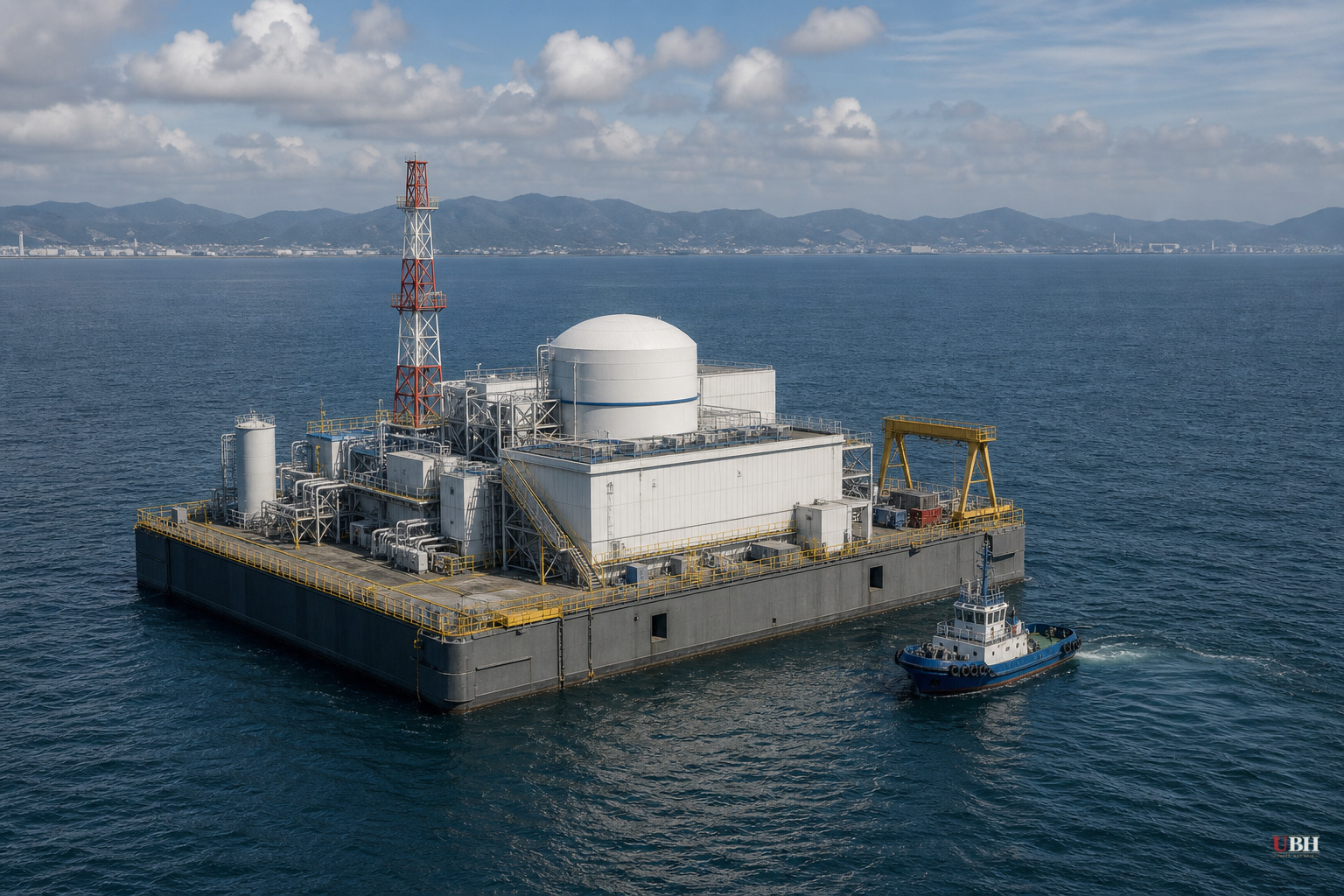
The federal government took a first bureaucratic step toward one day permitting nuclear reactors in U.S. coastal waters. On Wednesday, July 22, the Interior Department's Marine Minerals Administration and the Nuclear Regulatory Commission signed a memorandum of understanding laying out how the two agencies would divide regulatory responsibility if offshore nuclear projects ever move forward.
No reactor has been proposed. No site has been picked. No company has filed an application. Matt Giacona, acting director of the Marine Minerals Administration, said as much directly: "While no commercial deployment on the Outer Continental Shelf is planned or approved at this time, it could greatly strengthen America's energy security in the future."
What the Agreement Actually Does
The Marine Minerals Administration already oversees energy development in federal waters on the outer continental shelf, including offshore wind, seabed mining, and space launch infrastructure. The Nuclear Regulatory Commission is the independent federal body that licenses and inspects every nuclear reactor in the country, on land, for safety.
Until now, there's been no clear roadmap for how those two agencies would split responsibility if someone wanted to build a floating or fixed nuclear plant offshore. This agreement is meant to fix that gap before it becomes a problem, according to the NRC's own statement.
Jeremy Bowen, director of the NRC's Office of Advanced Reactors, said the deal "creates a clear framework for how our agencies will work together and ensures our processes remain efficient, transparent, and technically robust." The Marine Minerals Administration added that the arrangement will let the two agencies "responsibly respond to industry requests, supporting novel offshore energy production."
In plain terms: if a company someday wants to build a nuclear plant in federal waters, both agencies now have a starting point for figuring out who signs off on what, instead of fighting over turf after an application lands on someone's desk.
Why Offshore Nuclear at All
Offshore siting isn't a new idea globally. Floating and near-shore nuclear concepts have been studied for decades because water access solves a cooling problem land-based plants have to engineer around, and remote ocean siting can reduce population-density concerns tied to accident planning zones.
The push fits into the Trump administration's broader energy posture. The White House has repeatedly stated its goal of expanding nuclear capacity and cutting regulatory timelines that have made new reactor construction in the U.S. notoriously slow and expensive compared to countries like South Korea and France. This memorandum is a small, procedural piece of that larger push, not a standalone energy policy.
Nuclear construction in the U.S. has been plagued by cost overruns for decades. The Vogtle plant in Georgia is the most recent example, finishing years late and roughly double its original budget. An interagency jurisdictional agreement doesn't change financing risk, construction cost, or the years-long licensing review process itself. It just clarifies which regulator does what.
The Fair Skeptical Read
There's a reasonable case for caution here too. Environmental and coastal-community advocates have long raised concerns about placing any industrial nuclear infrastructure, even land-based, near sensitive marine ecosystems, fisheries, and storm-exposed coastlines. Offshore siting adds engineering challenges around storm resilience, cooling water intake effects on marine life, and long-term spent fuel handling in a marine environment that a memorandum of understanding does nothing to resolve.
Those are legitimate open questions, and they'll need to be answered through actual environmental review and licensing once, and if, an actual project is proposed. Nothing in this agreement forecloses that scrutiny. The NRC's licensing process still requires environmental impact review under existing federal law regardless of where a project is sited.
What Happens Next
No offshore nuclear project currently has an application before either agency. The memorandum of understanding is described by both agencies as groundwork for a "more detailed cooperative framework," meaning further rulemaking or guidance documents are expected before any company could actually apply to build something in federal waters.
The open question is whether any commercial developer will actually step forward. Small modular reactor companies have shown growing interest in novel siting arrangements domestically, but none has publicly proposed an offshore U.S. project to date. Until one does, this agreement remains exactly what Giacona called it: preparation for a future that hasn't arrived yet.
Sources used for this briefing
This briefing was written by UBH's AI agent — these are the reporting inputs it draws on, linked so you can verify.


