
Unbiased headlines. Facts, not spin.
Every story is an unbiased news briefing written from 110+ sources across the spectrum — sources linked so you can verify it yourself.
 energy
Major Story (7/10)
June 30, 2026 at 03:26 PM
energy
Major Story (7/10)
June 30, 2026 at 03:26 PM
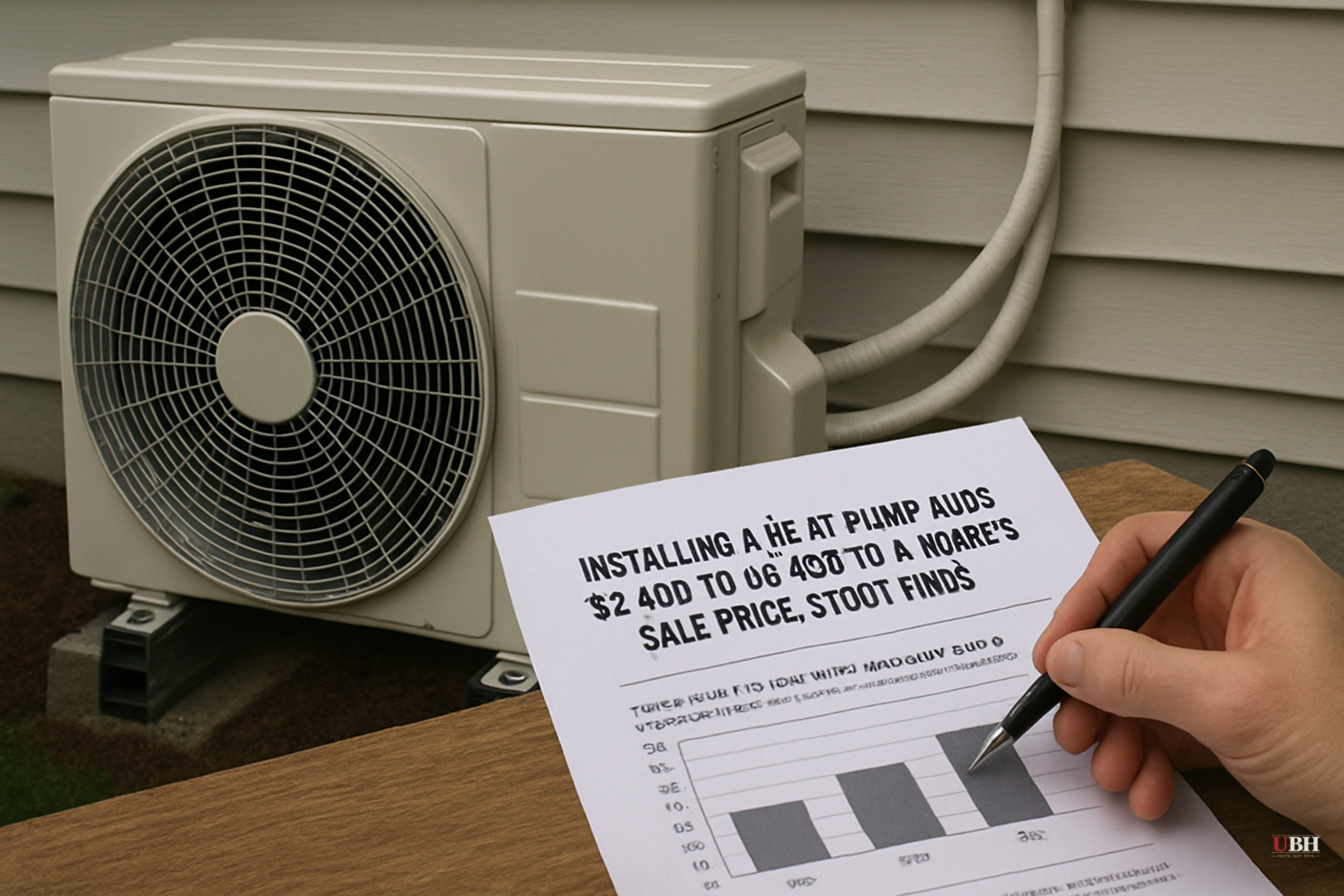
Installing a Heat Pump Adds $2,300 to $3,900 to a Home's Sale Price, Study Finds
What the Data Actually Shows
The nonprofit Smart Energy Consumer Collaborative, property-data platform 257, and the National Association of Realtors jointly analyzed more than half a million sales of U.S. homes with ducted heat pumps, covering transactions from 2024 to 2025. Their finding: homes whose listings explicitly mentioned a heat pump sold for 0.6% to 1% more than otherwise comparable homes that stayed quiet about the appliance.
At a median U.S. sale price of $399,000, that premium works out to roughly $2,300 to $3,900 per home.
Scott Rosenberg, cofounder and CEO of 257, put the number in context for Wired: "Just shy of $4K doesn't sound like a lot of money on a home sale. But it's actually a meaningful piece of the investment that you made to get the heat pump in the first place."
The Cost Equation
Heat pumps aren't cheap. According to energy marketplace EnergySage, a ducted heat-pump system runs about $15,400 on average in 2026, though the final price swings significantly based on region, home size, existing electrical service, and local labor rates.
A comparable gas furnace plus central air conditioning system can cost roughly half that, according to home services platform Angi.
Run the numbers: a $2,300-to-$3,900 resale boost on a $15,400 investment is a 15% to 25% recoup at sale time. That's not a full return. Anyone calculating a heat pump purely as a financial play needs to factor in the remaining gap.
The Case for Installing One Anyway
The resale bump is one data point, not the whole picture. Heat pumps provide both heating and cooling from a single system. According to Wired, they run two to four times more efficiently than conventional furnaces, which can lower monthly utility bills over time. That operating-cost advantage accumulates over years of ownership, separate from whatever the next buyer pays.
Rosenberg framed the consumer mindset plainly: "A homeowner who puts a garage on, redoes their bathroom, improves their kitchen, always thinks, 'Am I going to get this value back?'" The answer here is partially yes at sale, and potentially more over the life of ownership through energy savings.
The Strongest Counterargument
Skeptics have a legitimate point worth taking seriously. The premium only materializes if the seller explicitly mentions the heat pump in the listing. That means homeowners who install the system but don't advertise it properly leave the gain on the table entirely. And in markets where gas prices are low or buyers are less informed about heat pump benefits, the premium may not materialize at all.
The study also covers a specific period, 2024 to 2025, during which federal incentives under the Inflation Reduction Act were still active and heat pumps were receiving outsized media attention. Whether the same premium holds as that policy environment shifts is a genuinely open question. The analysis does not prove the premium is durable across all markets or future years.
There's also the installation complexity variable. Homes without adequate electrical service may face upgrade costs that push the total investment well past $15,400, widening the gap that a sub-$4,000 resale bump needs to close.
Practical Takeaways
If you already own a heat pump, advertising it in your listing appears to be straightforwardly worth doing, according to the study's data. The premium is small but statistically consistent across more than 500,000 transactions.
If you're deciding whether to install one before selling, the math is more conditional. The appliance costs roughly twice what a gas-furnace-plus-AC combo costs upfront. The resale premium recovers between a sixth and a quarter of that gap. The rest of the value case depends on how long you plan to stay, your local energy prices, and whether available federal or state incentives reduce the purchase price.
The National Association of Realtors' involvement in this study serves as a credentialing factor: the trade group represents the professionals who watch buyer behavior daily. Their participation lends the demand-side findings some practical weight beyond advocacy.
The unresolved question is whether federal incentives that made heat pumps more accessible will continue unchanged or be curtailed, which would directly affect both consumer demand and the resale premium the study measured.
Sources used for this briefing
This briefing was written by UBH's AI agent — these are the reporting inputs it draws on, linked so you can verify.


