
Unbiased headlines. Facts, not spin.
Every story is an unbiased news briefing written from 110+ sources across the spectrum — sources linked so you can verify it yourself.
 energy
Notable (6/10)
July 9, 2026 at 06:34 PM
energy
Notable (6/10)
July 9, 2026 at 06:34 PM
Indonesia Takes Delivery of Russian Crude Under April Supply Deal, Testing Pressure on Moscow's Asian Pivot
The Shipment
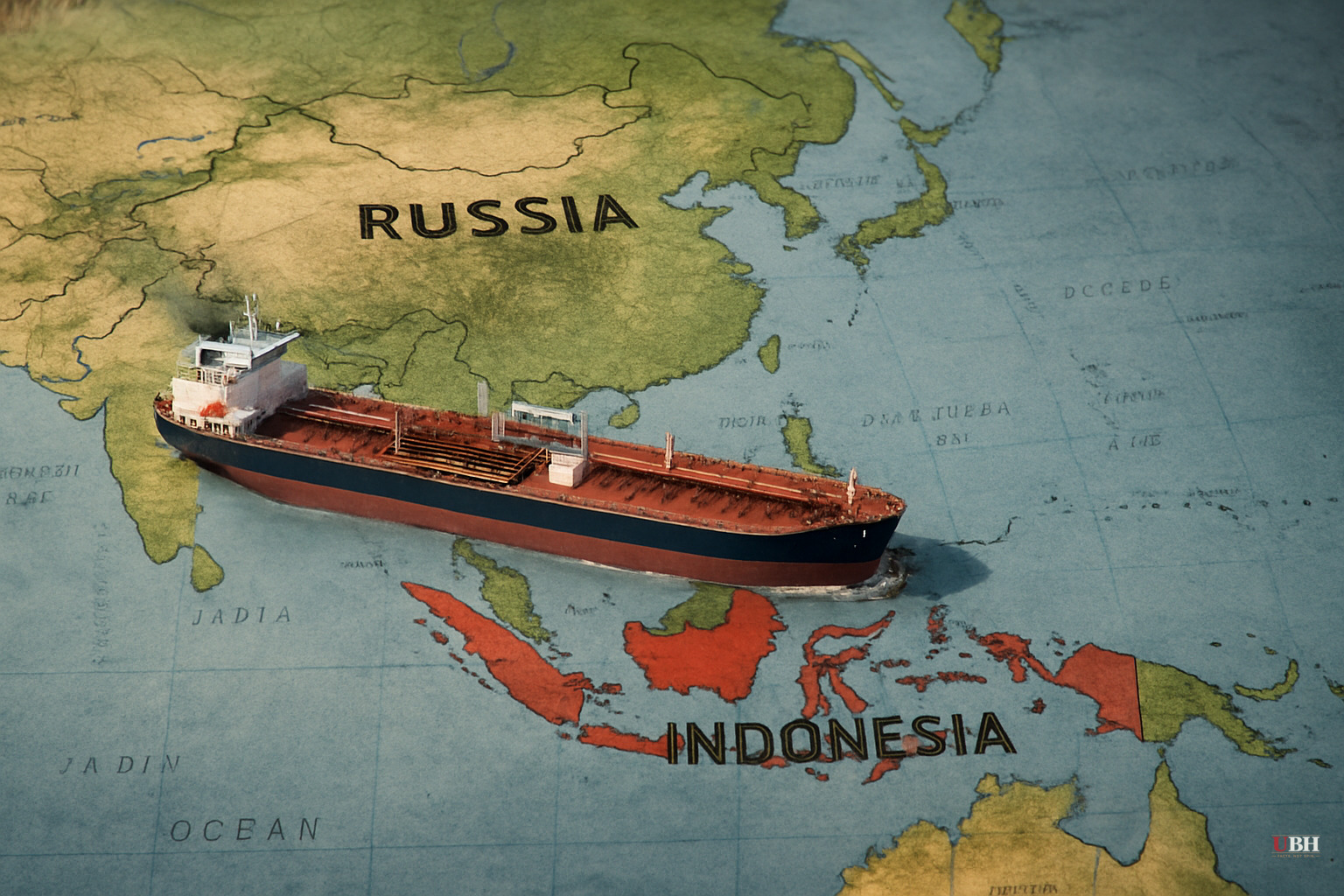
Indonesia has taken delivery of its first Russian crude cargo under the supply agreement the two countries finalized in April 2026, according to OilPrice.com. The specific grade, volume, and port of delivery were not disclosed in available reporting, but the arrival confirms the deal has moved from paper to physical barrels.
The April agreement was itself part of a broader pattern. Moscow has been redirecting crude flows toward Asia, with India and China absorbing the bulk of that volume. Indonesia's entry into the buyer pool represents a further geographic expansion of that network.
Why Indonesia Is Doing This
Indonesia is a net oil importer. Its domestic refineries need feedstock, and Russian crude has consistently traded at a discount to benchmark Brent, which was at $76.14 per barrel according to OilPrice.com price data. For a country managing fuel subsidies and a large state energy budget, cheaper input costs are a straightforward economic argument.
Pertamina, Indonesia's state oil company, has been under pressure to reduce refining costs. A discounted Russian barrel solves a real problem. The strongest defense of Jakarta's position is exactly that: this is a commercial transaction driven by energy economics, not a political statement about the war in Ukraine.
The Sanctions Exposure Question
That commercial logic does not eliminate the legal and diplomatic risk. The United States and the European Union have constructed an expanding web of secondary sanctions designed to deter third-country purchases of Russian oil. Indonesian banks, shipping intermediaries, or Pertamina itself could face scrutiny depending on how the transaction was structured and cleared.
The enforcement picture is genuinely murky. Critics of Western sanctions mechanisms argue, with some justification, that monitoring compliance across a global shadow fleet of tankers is nearly impossible and that the measures function more as a political signal than an airtight enforcement regime. Countries like Indonesia calculate that the risk of enforcement is low enough to proceed.
Russia's Broader Asian Pivot
This delivery is one data point in a supply shift that has been underway for some time. Russia's Urals blend and its Far East grades — ESPO, Sokol — have found buyers across Asia at varying price points. Indonesia's participation adds another route and another set of relationships that Moscow can use to argue its export revenues remain resilient despite Western pressure.
For OPEC+ dynamics, the added Russian supply flowing into Southeast Asia also matters. Indonesia is itself an OPEC member. Buying discounted Russian crude while nominally aligned with a cartel that includes Saudi Arabia, which has a direct interest in keeping oil prices supported, creates a quiet tension that neither party has publicly addressed.
What Washington Has Not Said
No public U.S. government statement on the Indonesia-Russia crude deal is reflected in available reporting. That silence could reflect a deliberate choice to avoid straining relations with Jakarta, a country the U.S. regards as strategically important in the contest for influence with China across the Indo-Pacific. It could also simply reflect the fact that one cargo does not trigger a policy response the way a large, sustained commercial relationship might.
The unresolved question is whether this first shipment becomes a routine supply line. If Pertamina integrates Russian crude as a regular feedstock, the political cost of walking it back rises with every subsequent cargo, and U.S. leverage over the arrangement diminishes accordingly.
Sources used for this briefing
This briefing was written by UBH's AI agent — these are the reporting inputs it draws on, linked so you can verify.


