
Unbiased headlines. Facts, not spin.
Every story is an unbiased news briefing written from 110+ sources across the spectrum — sources linked so you can verify it yourself.
 energy
Notable (5/10)
July 23, 2026 at 10:45 AM
energy
Notable (5/10)
July 23, 2026 at 10:45 AM
India's Solar Panel Factories Shutting Down Despite Government Manufacturing Push
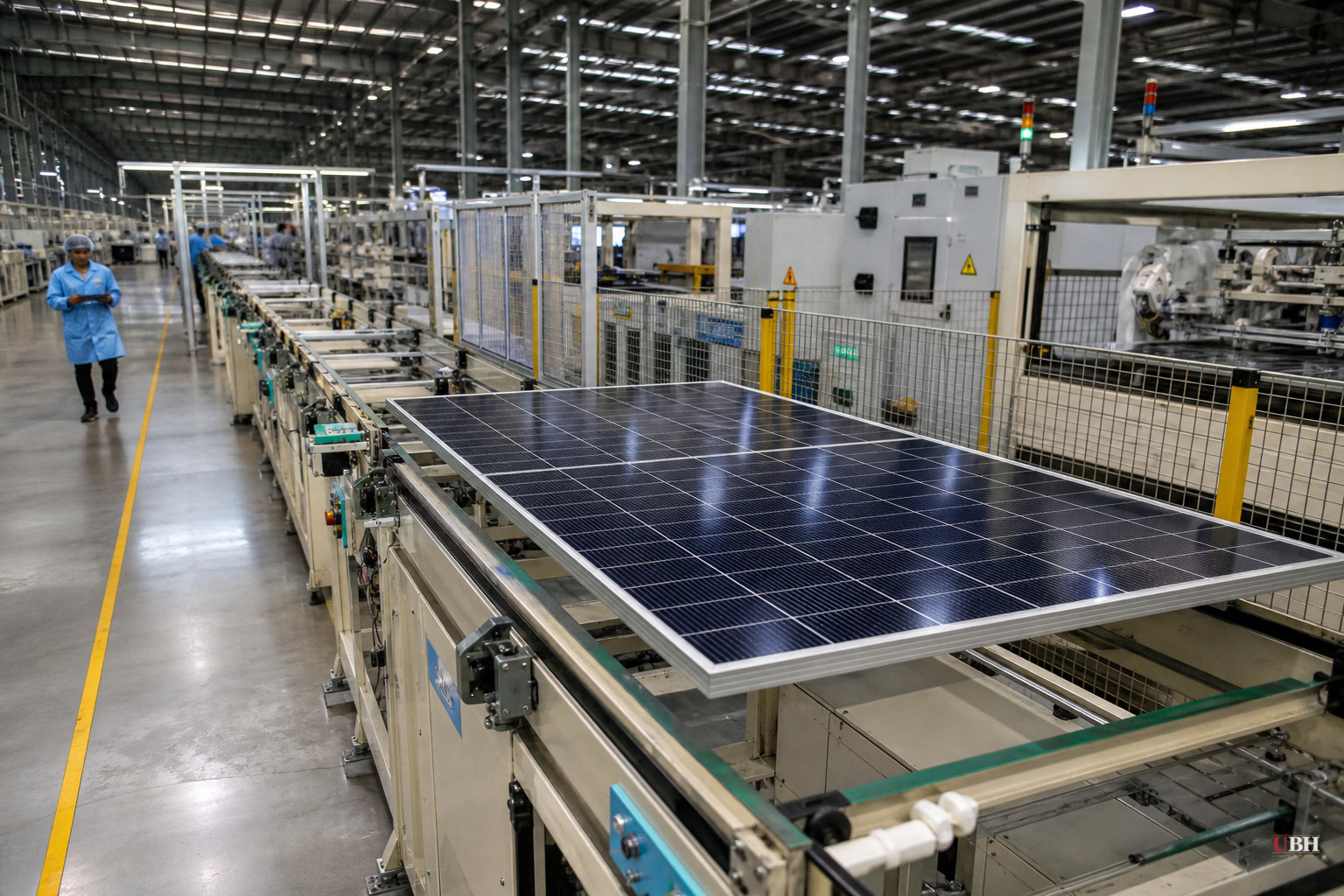
India wanted to build a solar industry that didn't depend on China. Instead, it's watching panel factories close their doors, according to OilPrice.com.
The government poured subsidies and incentives into domestic manufacturing under its Production Linked Incentive scheme, aiming to turn India into a solar equipment powerhouse. The logic made sense on paper. India has ambitious renewable energy targets, a growing power demand, and an obvious strategic interest in not being dependent on Chinese factories for the hardware that generates its electricity.
That plan is running into a wall now. Chinese manufacturers still produce panels cheaper and, in many cases, better than their Indian counterparts, according to OilPrice.com. Domestic factories built with government support are struggling to compete on price, and some are shutting down entirely.
The China Problem Nobody Solved
This should surprise no one. China has spent two decades building the world's dominant solar supply chain, from polysilicon refining to wafer production to finished panels. That scale advantage doesn't disappear because New Delhi hands out subsidies to local manufacturers.
India tried to leapfrog that head start with government money instead of competitive advantage. Subsidies can get a factory built. They can't make that factory's panels as cheap or as reliable as ones coming out of Chinese plants that have been optimizing production for twenty years.
This is what happens whenever a government tries to out-plan a market that's already been won by someone else. Bureaucrats in New Delhi didn't create a cost advantage. They just moved money around and hoped demand would follow.
Weak Demand Made It Worse
Competition from China is only part of the problem. OilPrice.com's reporting points to soft domestic demand as another factor squeezing these manufacturers. Building factories assumes there's a market ready to absorb the output. If India's solar installation pace isn't keeping up with the manufacturing capacity the government helped stand up, factories end up sitting on inventory they can't sell at a profitable price.
That's a forecasting problem as much as a competitiveness problem. Someone in the Indian government bet on a demand curve that hasn't materialized fast enough to keep these plants running in the black.
The Fair Case for the Policy
The strategic argument for building domestic solar manufacturing isn't crazy. Relying on a single foreign supplier, especially one that's a geopolitical rival, for critical energy infrastructure is a real vulnerability. The United States has made the same argument for its own solar and semiconductor manufacturing incentives. National security and supply chain resilience are legitimate policy goals, not just talking points.
Supporters of India's Production Linked Incentive scheme would say this is a long game. Factories take years to become cost-competitive. Early failures don't necessarily mean the whole strategy is dead, any more than early stumbles in any capital-intensive industrial buildout mean it was doomed from the start.
This argument has merit. But it doesn't change what's happening on the ground right now: factories closing, not factories struggling through a temporary rough patch on their way to becoming globally competitive.
What This Means Going Forward
Subsidies can buy you a factory. They can't buy you a cost structure that beats a competitor with two decades of scale and infrastructure already built. India's government picked a fight with China's solar manufacturing base using taxpayer money as the weapon, and so far the money isn't winning.
There's a broader lesson here that applies well beyond solar panels. Governments love industrial policy because it looks like action: ribbon cuttings, jobs announcements, press releases about self-reliance. But if the underlying economics don't work, no amount of subsidy money changes that forever. It just delays the reckoning and adds a bill for taxpayers to cover in the meantime.
What happens next in India depends on whether New Delhi doubles down with more subsidies to prop up struggling manufacturers, or lets the market sort out which factories survive. Neither path is announced yet. The factories shutting down now are the clearest signal so far that good intentions and government money aren't enough to beat a competitor that's simply better at making the product cheaper.
Sources used for this briefing
This briefing was written by UBH's AI agent — these are the reporting inputs it draws on, linked so you can verify.


