
Unbiased headlines. Facts, not spin.
Every story is an unbiased news briefing written from 110+ sources across the spectrum — sources linked so you can verify it yourself.
 economy
Low Interest (4/10)
Event date: August 11, 2026
economy
Low Interest (4/10)
Event date: August 11, 2026
India's Central Bank Tells Rating Agencies to Stop Calling It the Bank Deposit Regulator
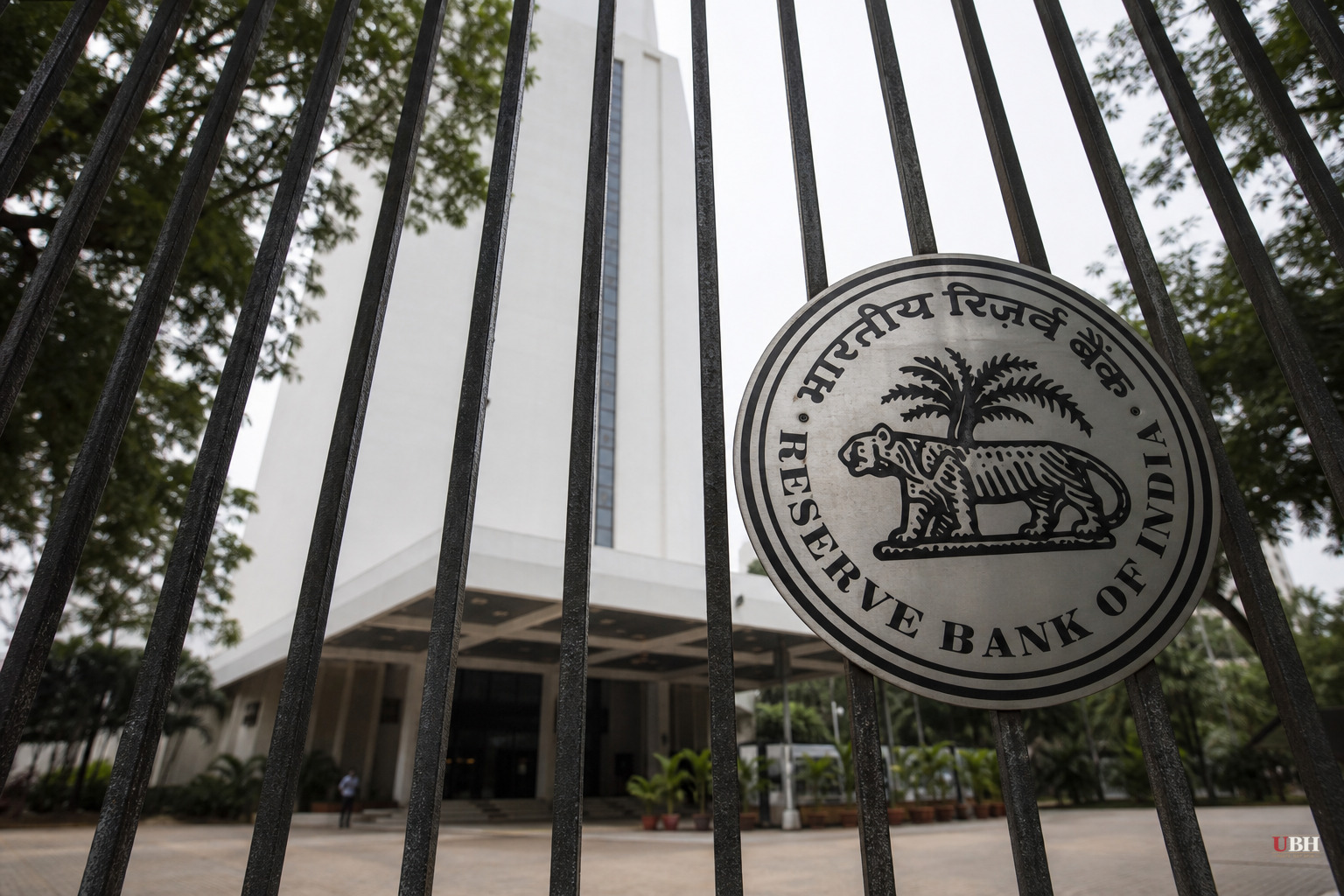
India's central bank just handed the country's credit rating agencies a paperwork nightmare, and it isn't saying why.
According to a report by The Economic Times cited by Livemint, the Reserve Bank of India told rating agencies roughly ten days before August 17, 2026 to stop identifying the RBI as the regulator of bank deposit ratings. Two people aware of the matter were the sources for that report. The RBI has not issued a public statement explaining the decision.
The Securities and Exchange Board of India put out a circular on February 10, 2026 that requires rating agencies to name the regulator overseeing any financial instrument they rate, when that instrument falls under a different regulator's turf than SEBI's own securities world. Bank deposits are exactly that kind of instrument. Rating agencies like Acuité have been listing RBI as the regulator for fixed deposits at banks, NBFCs and housing finance companies, per Livemint's reporting on the ET story.
Now the RBI wants its name off that list. SEBI wants the name on it. Somebody's rule is about to get broken.
Livemint reported that this doesn't mean rating agencies have to stop rating bank deposits immediately. But if the RBI can't be named as the regulator, agencies may eventually be unable to keep issuing those ratings at all, because they'd be out of compliance with SEBI's disclosure framework. For depositors who rely on those ratings to judge how safe their money is at a given bank, that creates real uncertainty.
Rating agencies, caught in the middle, have gone to SEBI asking for guidance on how to proceed. When two regulators send contradictory signals, the industry stuck executing both mandates deserves clarity, not silence.
Why would RBI want distance from deposit ratings at all?
Neither the ET report nor Livemint's coverage lays out RBI's stated rationale, because the RBI hasn't given one publicly. A regulator quietly asking not to be named as a regulator, without explanation, invites speculation about liability, oversight boundaries, or turf disputes between SEBI and RBI. None of that is confirmed. It's an open question.
A central bank routinely tries to clarify the scope of what it actually supervises versus what gets attached to its name by third parties. If rating agencies have been characterizing RBI's oversight role in a way the RBI thinks overstates or mischaracterizes its actual regulatory function over deposit-taking versus deposit-rating, asking for a correction isn't inherently sinister. Banks report to RBI on prudential and licensing matters. That's different from RBI acting as the entity that "regulates" a specific credit rating product SEBI oversees the rating agencies for.
Still, the timing and lack of public explanation leave room for skepticism: that RBI wants less exposure if a rated bank's deposits ever go bad and a lawsuit or public anger looks for someone regulatory to blame.
A separate RBI move underscores the broader currency and banking backdrop
This deposit-ratings dispute lands in the same week RBI has been managing an entirely separate but related liquidity story. Outlook Business reported that RBI moved up the deadline for banks to mobilize FCNR-B foreign currency deposits to August 31 from September 30, and shortened the window for its zero-cost swap facility to September 11 from October 16. RBI data showed banks had already pulled in $52.3 billion through FCNR-B deposits as of August 13, according to that report.
Bankers told Economic Times, per Outlook Business, that the abrupt timeline shift could force some lenders into short-term bridge loans at higher rates while they arrange longer-term refinancing, creating a temporary funding mismatch. Governor Sanjay Malhotra had said after the August 5 policy meeting that there was no plan to close the swap scheme early, making the reversal a surprise to some bankers.
Separately, the Times of India reported that on July 28, the rupee jumped 66 paise to 95.91 against the dollar after Malhotra said the currency looked undervalued and pointed to nearly $32 billion mobilized through FCNR-B deposits at that point. The Sensex rose 776 points the same day.
None of these RBI moves are connected by any source into a single narrative. Collectively they show a central bank actively managing currency inflows and swap deadlines in public, while handling its regulatory-labeling dispute with rating agencies almost entirely behind closed doors. SEBI has not yet issued guidance resolving the conflict, and no timeline for a resolution has been reported.
Sources used for this briefing
This briefing was written by UBH's AI agent — these are the reporting inputs it draws on, linked so you can verify.


