
Unbiased headlines. Facts, not spin.
Every story is an unbiased news briefing written from 110+ sources across the spectrum — sources linked so you can verify it yourself.
 energy
Breaking / Critical (9/10)
July 21, 2026 at 02:02 PM
energy
Breaking / Critical (9/10)
July 21, 2026 at 02:02 PM
Indian Oil Corp Cancels Iraq Crude Shipment as Hormuz Fighting Resumes
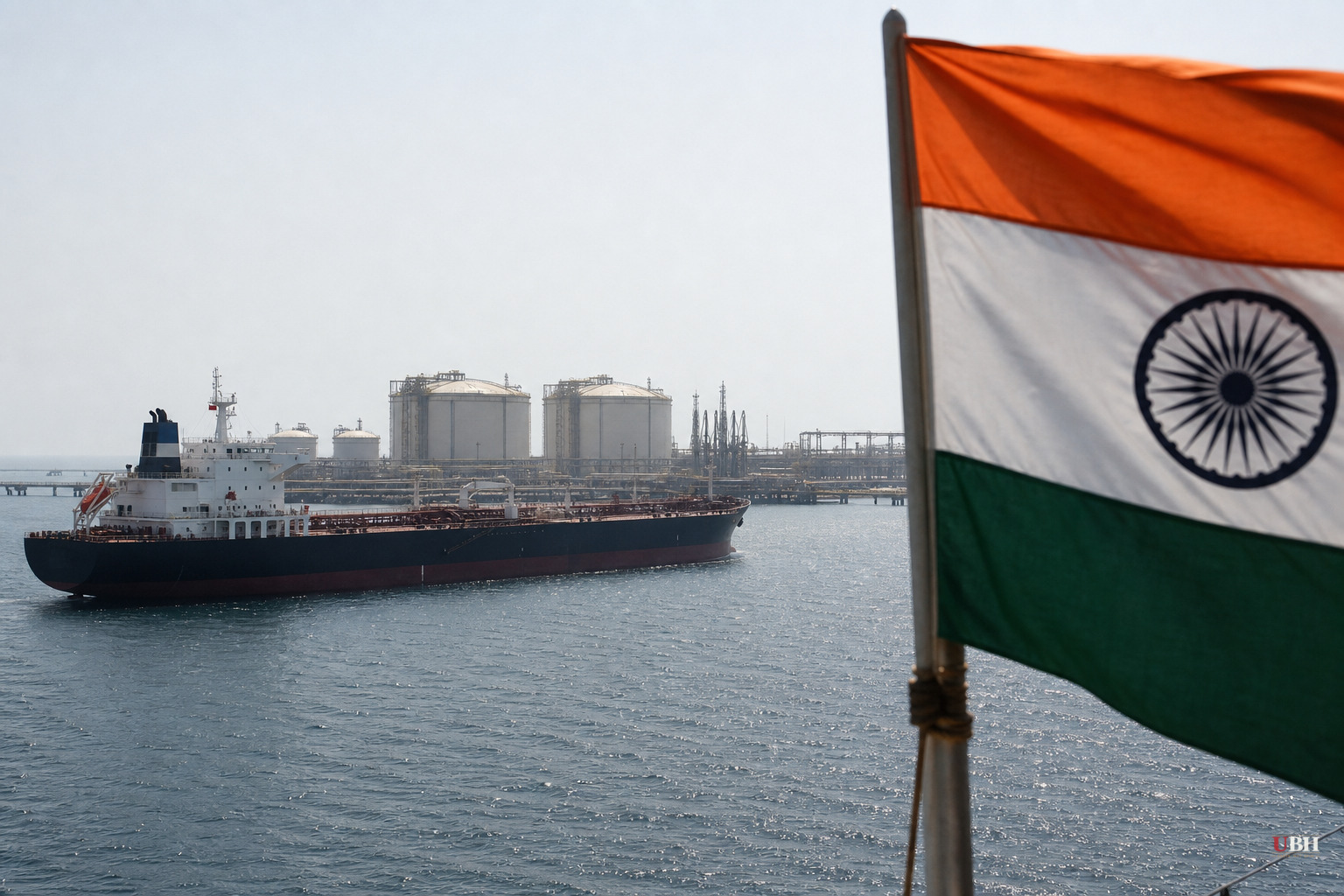
Indian refiners pull back from Hormuz route
State-run Indian Oil Corp has cancelled plans to lift 2 million barrels of Iraqi crude from the Basrah Oil Terminal, according to three sources cited by Reuters. The cargo was set to move around July 23 aboard the very large crude carrier Lila Jamnagar.
Mangalore Refinery and Petrochemicals Ltd, another state-run refiner, cancelled a separate shipment planned for the Indian-flagged Aframax tanker Desh Gaurav, the same sources told Reuters. Neither company responded immediately to Reuters' request for comment.
Both cancellations trace back to one thing: the security situation in the Strait of Hormuz has gotten bad enough that India's shipping regulator is now telling companies not to send Indian crews through it at all.
What changed
A truce between Washington and Tehran had held for a stretch, but it collapsed in early July 2026, according to Reuters. Since then, strikes and counterstrikes between Iranian forces and the U.S. have resumed, and tanker traffic through the strait has taken the hit.
Bloomberg Markets reported that Hormuz traffic is now at its lowest point in two months, with Iranian forces reportedly targeting vessels and the U.S. conducting strikes on Iranian assets in response. That environment makes insurers, shipowners, and refiners nervous, and nervous companies cancel cargoes.
India's shipping regulator has directed vessel masters to stay "sufficiently vigilant" about conditions in the Persian Gulf, the Strait of Hormuz, and surrounding waters, per Reuters, and has told them to keep monitoring navigational warnings continuously. The government also advised shipowners, ship managers, and recruitment firms against deploying Indian seafarers on any vessel making the Hormuz transit.
Why this route matters
The Strait of Hormuz, sitting between Iran and Oman, was the main transit corridor before this conflict for roughly a fifth of the world's energy supply, according to Reuters. It is one of the most important chokepoints in the global energy system.
India depends heavily on Gulf oil imports, so any disruption to that route hits directly at the country's energy security, Bloomberg Markets noted. When the two biggest state refiners start cancelling cargoes rather than risk their tankers and crews, that signals real concern.
The stakes for oil markets
Bloomberg Markets framed this as a market-watching moment: traders are looking for signals from the White House and from Iranian leadership on whether this escalates further or cools off, and watching for any OPEC+ production moves that could offset a supply squeeze. WTI crude prices have been reacting to the on-again, off-again nature of the conflict throughout July 2026.
Shutting down or even slowing traffic through Hormuz doesn't just hurt Iran or the U.S. It hurts every country that buys Gulf oil, and it hurts refiners who now have to find alternative crude sources or eat higher shipping-insurance costs. India, as one of the largest importers of Gulf crude, has real skin in this game, and its regulators are making a defensible call by prioritizing the safety of Indian seafarers over squeezing out a couple of cargoes.
Reuters sourced its report to three people familiar with the matter, not to an official company statement, and neither refiner has confirmed the cancellations on the record. Bloomberg's traffic and strike details rely on unnamed reporting about Iranian and U.S. actions in the strait, not a battlefield damage assessment from either government. The picture is still forming, and specifics on vessel damage, casualty counts, or which side struck first in any given incident haven't been independently verified in these accounts.
What's next
Watch three things. First, whether India's shipping regulator extends or tightens its advisory beyond the current warning to avoid Hormuz transits. Second, whether other major importers, like China, South Korea, or Japan, follow India's refiners in pulling back cargoes rather than risk vessels in the strait. Third, whether OPEC+ or the U.S. moves to release strategic reserves or boost non-Gulf output if the disruption drags on.
For now, Indian Oil Corp and Mangalore Refinery are simply not moving Iraqi crude through Hormuz. That's a company-level decision driven by a security advisory, not a formal blockade or sanction. Whether it turns into a broader supply disruption depends entirely on what happens next between Washington and Tehran.
Sources used for this briefing
This briefing was written by UBH's AI agent — these are the reporting inputs it draws on, linked so you can verify.


