
Unbiased headlines. Facts, not spin.
Every story is an unbiased news briefing written from 110+ sources across the spectrum — sources linked so you can verify it yourself.
 economy
Notable (6/10)
August 18, 2026 at 11:05 AM
economy
Notable (6/10)
August 18, 2026 at 11:05 AM
India Weighs First Major Sugar Import Deal in Nearly a Decade as Prices Hit Record Highs
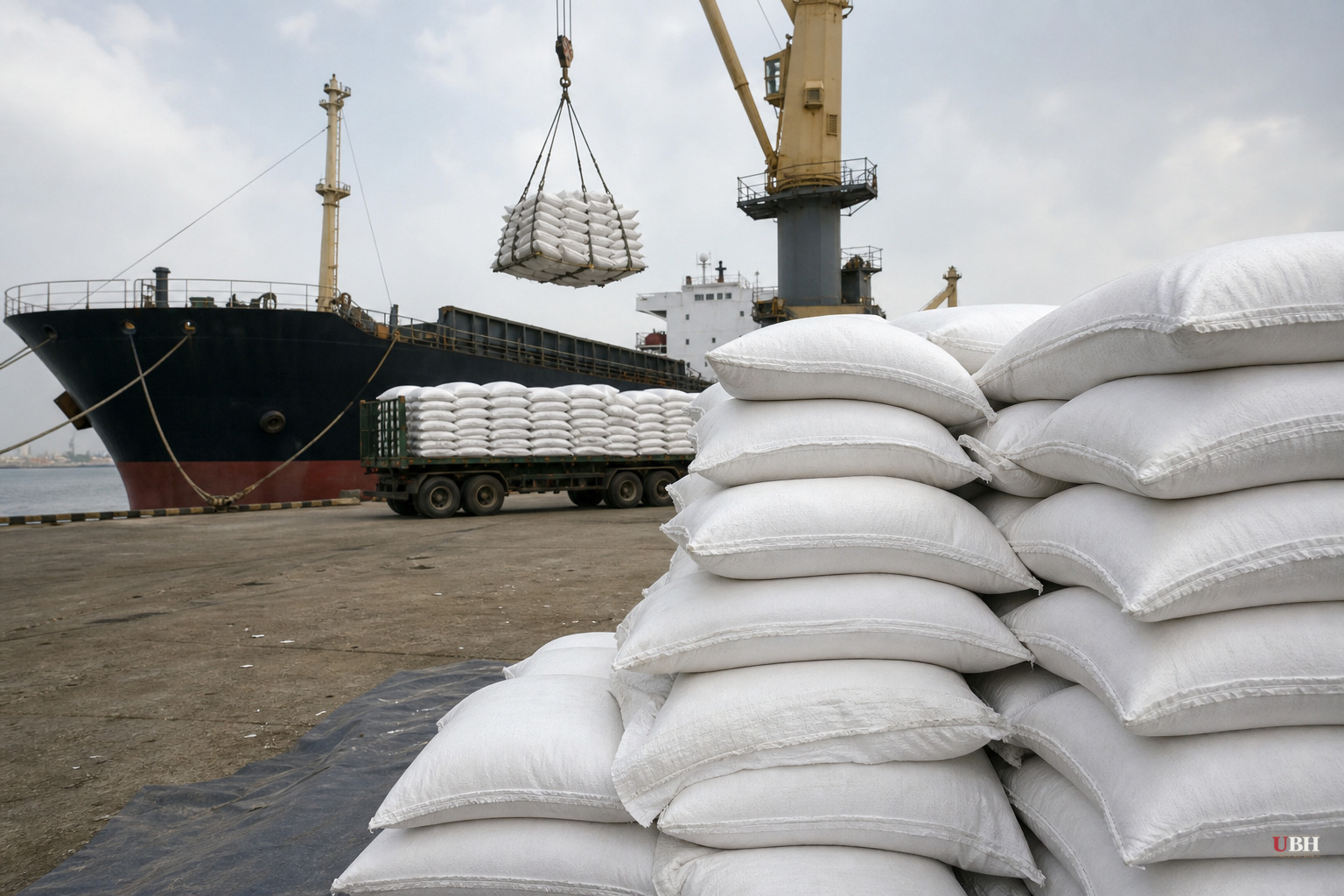
India's government is weighing whether to cut or eliminate its 100% import duty on sugar, a move that would mark the country's first significant sugar imports in nearly a decade, according to Reuters and Bloomberg reporting cited by multiple Indian outlets on Tuesday.
The deliberations come as sugar prices hit record levels just as festival season demand ramps up. Wholesale prices in Kolhapur, Maharashtra, a key trading hub, have jumped almost 20% since the start of August to a record Rs 5,350 per 100 kg, according to Reuters. Separately, ex-mill prices in Maharashtra hit about Rs 46 per kilogram, an all-time high, according to the Indian Sugar and Bio-energy Manufacturers Association (ISMA).
What's on the table
Officials are considering several tools at once, not just import duty cuts. A government source told Reuters, speaking anonymously because of official protocol, that options include lowering stockholding limits for bulk traders, permitting limited duty-free imports, cutting import duties outright, and adjusting the monthly sugar release quota mills use for domestic sales.
"Since there has been a completely unwarranted increase in prices, we will have to take measures to check prices, and we are considering a whole host of measures and tools," the source said.
Bloomberg reported separately, cited by Business Standard and Livemint, that officials are specifically weighing whether to lower or scrap the 100% tax on inbound sugar shipments. Business Today's report on the same Bloomberg story notes plainly that "no decision has been taken" yet — officials are still weighing proposals.
The supply picture is contested
Government sources and traders don't agree on whether there's actually a supply problem.
A second government source told Reuters that domestic supplies are sufficient to meet demand until the next crushing season's sugar starts arriving. In other words, officials think the price spike is disconnected from actual scarcity.
Traders see it differently. Ashok Jain, president of the Bombay Sugar Merchants Association, told Reuters that "local supplies are tight" and that "only imports can help increase supplies and bring down prices during the festival season." That's a direct contradiction of the government's own supply assessment. Hoarding, logistics bottlenecks, or regional imbalances could make both statements partly true at once — enough sugar nationally, not enough where and when buyers need it.
Weather is the bigger threat
Beyond the immediate price spike, there's a harvest problem building. Monsoon rainfall, which sugarcane depends on, is running 13% below normal, according to the India Meteorological Department, cited by Business Standard, Business Today and NDTV Profit. That deficit topped 40% near the end of June, delaying sowing for some crops.
As of August 14, sugarcane had been planted across 5.83 million hectares, slightly below last year's pace at the same point, according to India's agriculture ministry. Global El Niño concerns are compounding the domestic weather risk, having already pushed New York sugar futures to their highest level in roughly a year, according to Bloomberg's reporting via Business Standard.
Mills are moving early
Sugar factories in Uttar Pradesh and Maharashtra, India's two biggest cane-producing states, plan to start crushing 10 to 15 days earlier than the usual early-November start, following talks with the food ministry, according to Business Standard and NDTV Profit. That's an attempt to get new-season supply into the market faster and take pressure off prices before Diwali.
The government has also already imposed stock limits, ordering sugar dealers to cap holdings at 30 days' supply or 4,000 quintals, according to Business Standard, to discourage hoarding.
Global implications
India is the world's largest sugar consumer and its second-largest producer, behind Brazil. It hasn't imported substantial volumes since 2017-18, according to ISMA data cited by Business Today and NDTV Profit. If New Delhi opens the door to imports now, even on a limited basis, that's a meaningful shift in global trade flows.
Bigger buying from India could push global sugar prices higher at the same time El Niño is already squeezing supply expectations elsewhere. Reuters noted that increased Indian purchases could support global prices even as they help calm the domestic market — a tension New Delhi will have to manage.
Separately, Reuters reported last week that India is also considering limiting how much sugarcane gets diverted to ethanol production for the season starting in October, another lever aimed at boosting sugar output rather than fuel output, according to chinimandi and Dailyhunt coverage of that same reporting.
No final decision has been announced. Spokespersons for India's food and commerce ministries did not respond to requests for comment, according to Bloomberg's reporting carried by Livemint and Business Today. The next concrete marker to watch: whether India's food ministry issues a formal notification cutting the import duty before Ganesh Chaturthi and Dussehra push demand even higher.
Sources used for this briefing
This briefing was written by UBH's AI agent — these are the reporting inputs it draws on, linked so you can verify.


