
Unbiased headlines. Facts, not spin.
Every story is an unbiased news briefing written from 110+ sources across the spectrum — sources linked so you can verify it yourself.
 energy
Notable (6/10)
July 28, 2026 at 09:43 AM
energy
Notable (6/10)
July 28, 2026 at 09:43 AM
India to Source a Quarter of Its LPG From the US by 2027, State Refiners Set to Issue Tenders
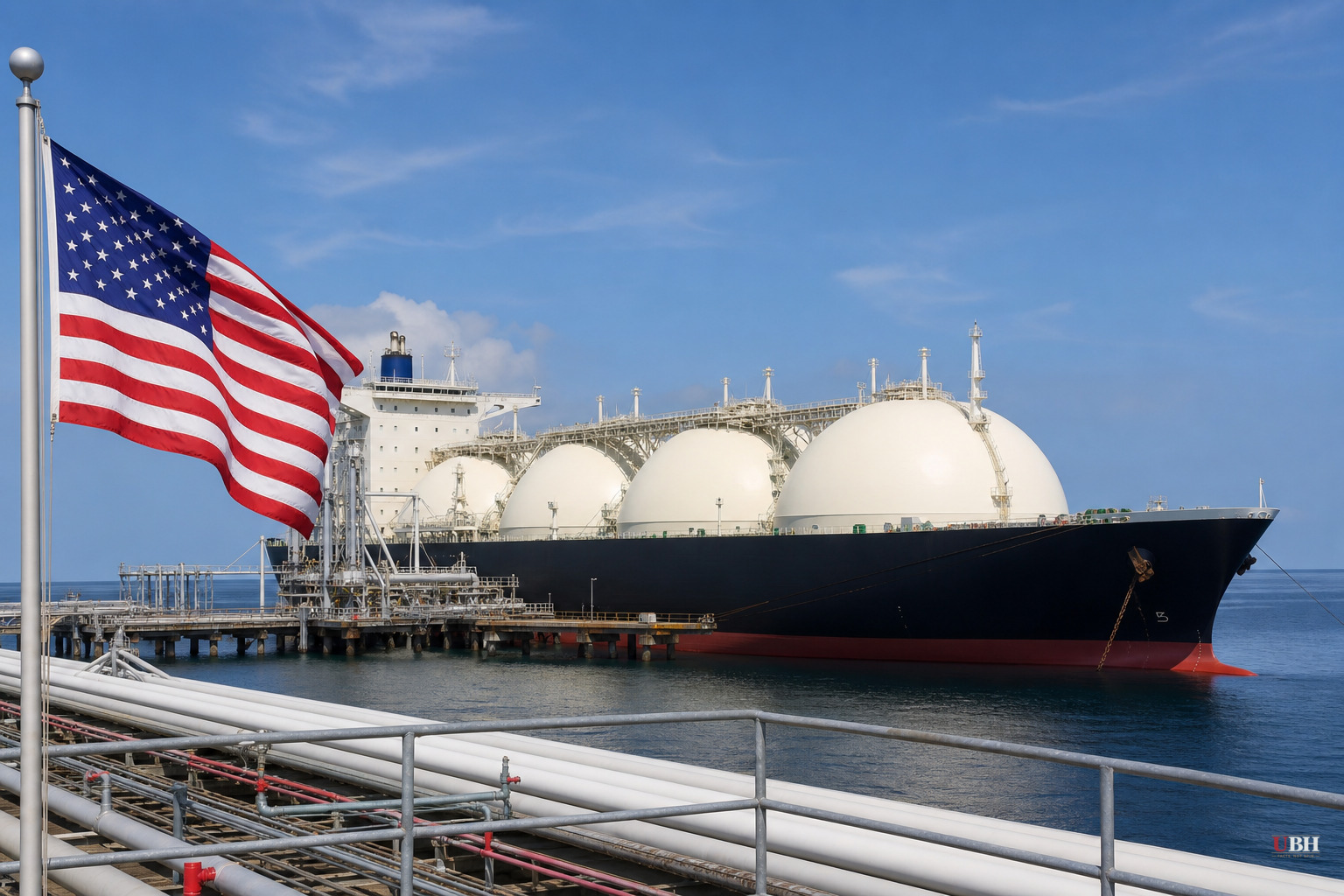
India's LPG supply chain faced a significant test earlier this year when the Iran conflict and closure of the Strait of Hormuz choked off Middle Eastern shipments, forcing the government to divert industrial LPG feedstock to households just to keep stoves lit. Now New Delhi is moving to ensure that never happens again by turning to American gas.
India plans to source up to 25% of its liquefied petroleum gas imports from the United States by 2027, according to Reuters. State-owned fuel retailers Indian Oil Corporation, Bharat Petroleum Corporation, and Hindustan Petroleum Corporation are expected to issue tenders within the next one to two months to lock in 2027 supply contracts, Reuters reported. A delegation from the three companies is also likely to travel to the US next month to meet directly with suppliers.
The scale of the shift is significant. India imported 21.85 million metric tonnes of LPG in 2025, and roughly 90% of that came from the Middle East, according to government data cited by Reuters. Imports cover nearly two-thirds of India's total domestic LPG demand. That concentration of supply in one geopolitically volatile region proved to be a real vulnerability this year.
The Squeeze Is Already Visible in the Data
India's LPG consumption fell about 8% year-on-year to around 14.7 million tonnes in the first half of 2026, while imports dropped roughly 28% to about 7.5 million tonnes, per government figures reported by Reuters. One source told Reuters that total 2026 consumption is expected to land around 30 million tonnes because of the supply constraints, with demand bouncing back to roughly 31 million tonnes in 2027 as imports climb to nearly 20 million tonnes.
American LPG is already filling part of the gap. US shipments to India topped 1 million tonnes in June for the first time and are on track to exceed the original 2026 annual contract target of 2.2 million tonnes, Reuters reported.
Energy Security or Trade Leverage? Both.
There is a straightforward case that this is smart risk management. Betting two-thirds of your national cooking-fuel supply on a region that just experienced a shooting war and a shipping-lane closure represents a genuine vulnerability. Diversifying toward a stable, high-output supplier like the US is the kind of hedge any energy-security planner would recommend.
The government made that case in Parliament. Junior Oil Minister Suresh Gopi told lawmakers that "diversification of LPG imports is being pursued to ensure supply security and mitigate risks arising from regional disruptions or geopolitical events," according to Reuters.
The timing also aligns with Washington's trade demands. India has already committed to increasing US energy purchases by $10 billion to $25 billion, and higher LPG imports would directly narrow India's trade surplus with the United States, one of President Trump's central asks in ongoing trade talks, Reuters reported. Both countries are also targeting $500 billion in bilateral trade by 2030.
This move serves both diversification and diplomacy. India needed a new supplier after the Hormuz closure, and America needed India to buy more. Those two objectives happen to align.
Both Reuters and Whalesbook cover the headline numbers accurately, but Whalesbook raises a fair point that Reuters underplays: shipping LPG from the US to India is a much longer haul than from the Persian Gulf, which means higher freight costs that could affect landed prices for Indian consumers. Neither source has pricing details yet, since the tenders haven't been issued.
Energy security has a cost, and that cost remains unresolved. If US LPG delivered to India runs meaningfully more expensive than Gulf supply once freight is included, that bill falls somewhere: either on state refiners' margins or consumers at the cylinder-refill counter.
What Happens Next
The tenders from Indian Oil Corporation, Bharat Petroleum Corporation, and Hindustan Petroleum Corporation are expected within one to two months, per Reuters, and the supplier delegation's visit to the US is expected next month. Those tender terms, once public, will show whether this diversification actually holds up on price or whether India ends up paying a premium for reducing Middle East dependence.
Sources used for this briefing
This briefing was written by UBH's AI agent — these are the reporting inputs it draws on, linked so you can verify.


