
Unbiased headlines. Facts, not spin.
Every story is an unbiased news briefing written from 110+ sources across the spectrum — sources linked so you can verify it yourself.
 energy
Notable (6/10)
August 3, 2026 at 10:39 AM
energy
Notable (6/10)
August 3, 2026 at 10:39 AM
India Moves to Fix Grid Bottlenecks Stalling Its Renewable Energy Buildout
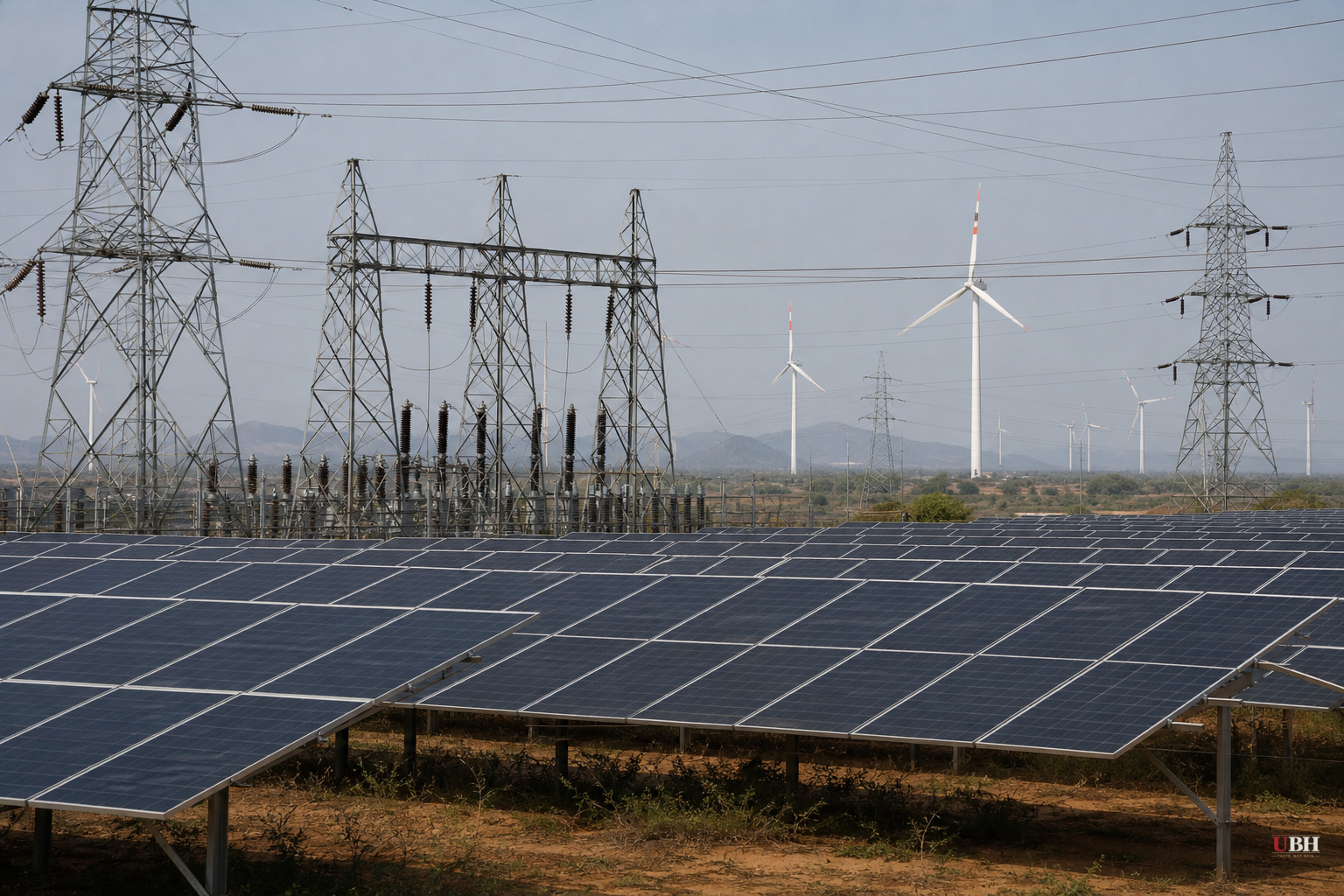
India's central government is intervening to rescue renewable energy projects that are sitting idle or half-built because the country's grid can't absorb the power they're supposed to generate, according to OilPrice.com.
The problem is straightforward. India has spent years pushing developers to build solar and wind capacity at a breakneck pace. Transmission lines, substations, and grid connections haven't kept up. The result: projects finished or nearly finished with nowhere to send their electricity.
India has set some of the most aggressive renewable energy targets in the world, and Prime Minister Narendra Modi's government has repeatedly touted its solar and wind buildout as a centerpiece of the country's energy strategy. But a power plant that can't connect to the grid isn't producing power. It's a stranded asset, sitting there costing developers money while it waits for infrastructure the state was supposed to deliver.
Where the bottleneck actually sits
The core issue is transmission capacity, not generation capacity. India can build solar farms fast. Building the high-voltage lines and substations needed to move that electricity from remote solar and wind sites to cities and industrial users takes longer, requires more land acquisition, and runs into more regulatory friction.
That mismatch means renewable capacity has outpaced the grid's ability to carry it in several regions. Developers who signed power purchase agreements and sank capital into projects are now stuck waiting on state-run transmission utilities to catch up.
This is the same story that has played out in parts of the U.S. and Europe, where wind and solar buildouts have also outpaced interconnection queues. It's not unique to India. But given how central renewables are to India's stated energy strategy, and given that India remains heavily dependent on coal and imported crude to meet current demand, the stakes of getting the grid right are higher.
A fair question for renewable-energy boosters
Advocates for a faster renewable transition have a reasonable point: the fix here is more grid investment, not less renewable capacity. Nobody is arguing India should stop building solar and wind. The reasonable version of that argument says the bottleneck is a solvable engineering and permitting problem, not proof renewables don't work.
This also proves a point conservatives have made for years: renewable energy isn't as simple or cheap as the headline capacity numbers suggest. Every gigawatt of solar or wind requires a corresponding investment in transmission, storage, or backup generation that often gets left out of the press release. India's stranded projects are a real-world example of what happens when government targets for installed capacity race ahead of the physical infrastructure needed to use it.
What the government is actually doing
According to OilPrice.com, India's government is now moving to address the grid shortages directly, working to unstick the stalled projects rather than let them sit as sunk costs. The report did not detail specific dollar figures, timelines, or which state transmission utilities are involved, and no other outlets have independently confirmed the scope of the intervention as of this writing.
India's broader energy picture complicates the narrative further. The country's imports of Russian crude oil hit a new high in July, according to OilPrice.com's own reporting elsewhere this week, underscoring that India is still leaning hard on fossil fuels even as it pushes renewables. India's electricity demand is growing fast, driven by economic growth and rising air conditioning use, and the country cannot afford to let any generation source, renewable or otherwise, sit idle while demand climbs.
What's unresolved
The open questions are basic ones any taxpayer or ratepayer should want answered. How much capacity is currently stranded, in megawatts and in rupees? Which states are worst affected? What is the actual timeline for the transmission fixes, and who is paying for them, government-funded infrastructure or private developers eating the delay costs themselves?
Until India's government or its transmission utilities release specifics, this remains a known problem without a fully scoped solution. The fix matters not just for India's climate targets but for the developers and investors who built these projects on the assumption the grid would be ready when the panels were.
Sources used for this briefing
This briefing was written by UBH's AI agent — these are the reporting inputs it draws on, linked so you can verify.


