
Unbiased headlines. Facts, not spin.
Every story is an unbiased news briefing written from 110+ sources across the spectrum — sources linked so you can verify it yourself.
 energy
Major Story (7/10)
July 17, 2026 at 12:02 AM
energy
Major Story (7/10)
July 17, 2026 at 12:02 AM
India Is Now Exporting Roughly 1.4 Million Barrels a Day of Refined Fuel, Filling Gaps Left by Russia and the Middle East
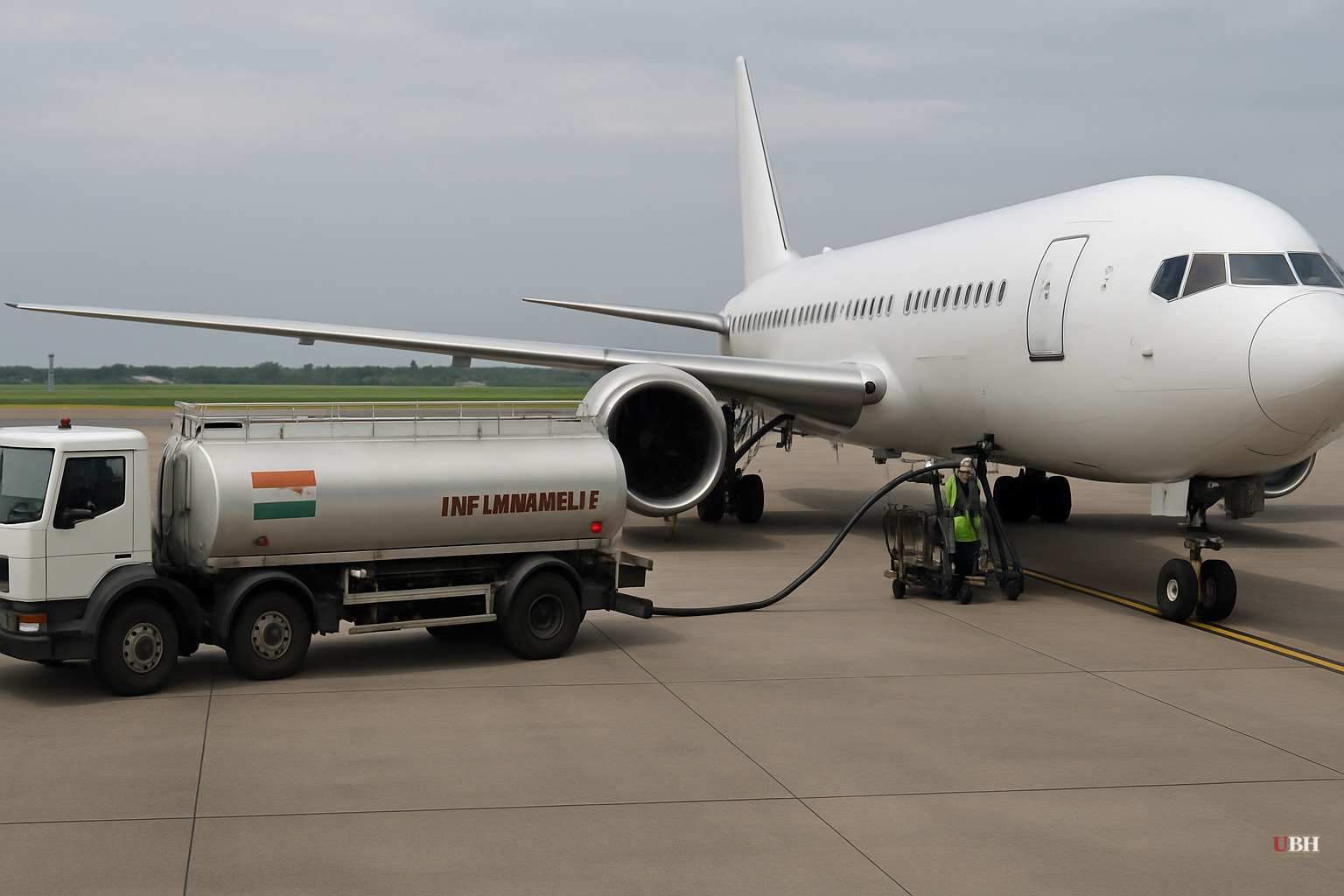
India's Refiners Found an Opening. They Took It.
India is on track to export about 1.4 million barrels per day of refined fuel products this July, according to data from Kpler cited by OilPrice.com. That's roughly 50% more than in May and the highest monthly export volume since September. It's a structural shift in who controls the world's fuel supply when things go wrong.
For decades, Saudi Arabia has been the name everyone reaches for when crude oil markets need balancing. Riyadh opens the taps, prices ease. Riyadh closes them, prices climb. That's crude oil. Refined products, diesel, gasoline, jet fuel, are a different market, and until recently nobody was playing that swing role. Now India is.
How We Got Here
Two things broke at once. Russia's refining system has taken a beating from sustained Ukrainian drone strikes, forcing Moscow to restrict exports of diesel, gasoline, and jet fuel, according to OilPrice.com. Separately, several Middle Eastern refineries are still running below normal capacity months after the Iran-US war damaged facilities in the region.
The result: Europe is sitting on exceptionally tight diesel inventories, and jet fuel isn't exactly abundant either. When Hormuz-related disruptions scrambled Middle Eastern trade flows, Africa suddenly needed replacement fuel supplies too. Somebody had to fill that gap, and Indian refiners moved fast.
Two months ago, more than 80% of India's diesel exports were going to Africa. Europe got zero. That's because the EU has largely cut off imports of fuel refined from Russian crude, a policy stance that's created its own supply headaches. India, meanwhile, doesn't care about optics. It cares about margin. Cargoes go wherever the premium is highest.
The Business Model: No Loyalty, Just Barrels
India imports nearly 90% of its crude oil, which sounds like a vulnerability. It isn't, because India doesn't depend on any single supplier. Russian oil now makes up more than half of India's crude imports this month, according to Kpler, but Indian refiners also buy from Iraq, Saudi Arabia, the UAE, the United States, West Africa, and Latin America.
If one source dries up or gets sanctioned into a corner, India just buys from someone else and keeps refining. That flexibility is exactly what lets Indian refiners chase whichever export market is paying the most, whether that's Africa one month or a scrambling Europe the next.
Washington and European capitals have spent years pressuring India to cut back on discounted Russian crude, arguing it undercuts sanctions pressure on Moscow. That's a legitimate national security concern. Sanctions are supposed to squeeze the Kremlin's war financing, and every barrel India buys from Russia at a discount arguably softens that squeeze.
But the flip side is just as real: India isn't hiding what it's doing, it isn't violating any sanctions regime that bars the purchases outright, and it's simultaneously doing something the West badly needs, keeping refined fuel flowing to markets that would otherwise be facing real shortages. No investigation or sanctions violation has been alleged against India's refining exports in the sourcing here. This is a country running its refineries as a business, not laundering oil in secret.
India Isn't Slowing Down
While Russian and Middle Eastern refining capacity has been getting hammered, India has been building. The International Energy Agency expects India's refining capacity to grow another 15% by 2030, according to OilPrice.com, and investment in Indian refining has climbed by an average of 23% over the past five years.
That's the kind of capital discipline that turns a temporary opportunity into a permanent market position. While other refining hubs are rebuilding damaged plants or restricting exports to manage shortages at home, India has been adding capacity that lets it say yes to whoever needs fuel most.
What This Means Going Forward
The open question is durability. Russian refining damage from drone strikes could ease if the war in Ukraine winds down or Moscow rebuilds faster than expected. Middle Eastern refineries will eventually return to normal output as post-war repairs finish. When that happens, India's premium pricing power shrinks.
For now, though, India holds the cards. European buyers who cut off Russian-refined fuel on principle are discovering they still need diesel from somewhere, and India is happy to sell it to them, no questions asked about where the original crude came from. A market gap opened, and somebody was always going to fill it.
Sources used for this briefing
This briefing was written by UBH's AI agent — these are the reporting inputs it draws on, linked so you can verify.


