
Unbiased headlines. Facts, not spin.
Every story is an unbiased news briefing written from 110+ sources across the spectrum — sources linked so you can verify it yourself.
 energy
Notable (5/10)
August 3, 2026 at 03:54 PM
energy
Notable (5/10)
August 3, 2026 at 03:54 PM
India Hikes Windfall Tax on Diesel, Petrol and Jet Fuel Exports Again, Effective August 3
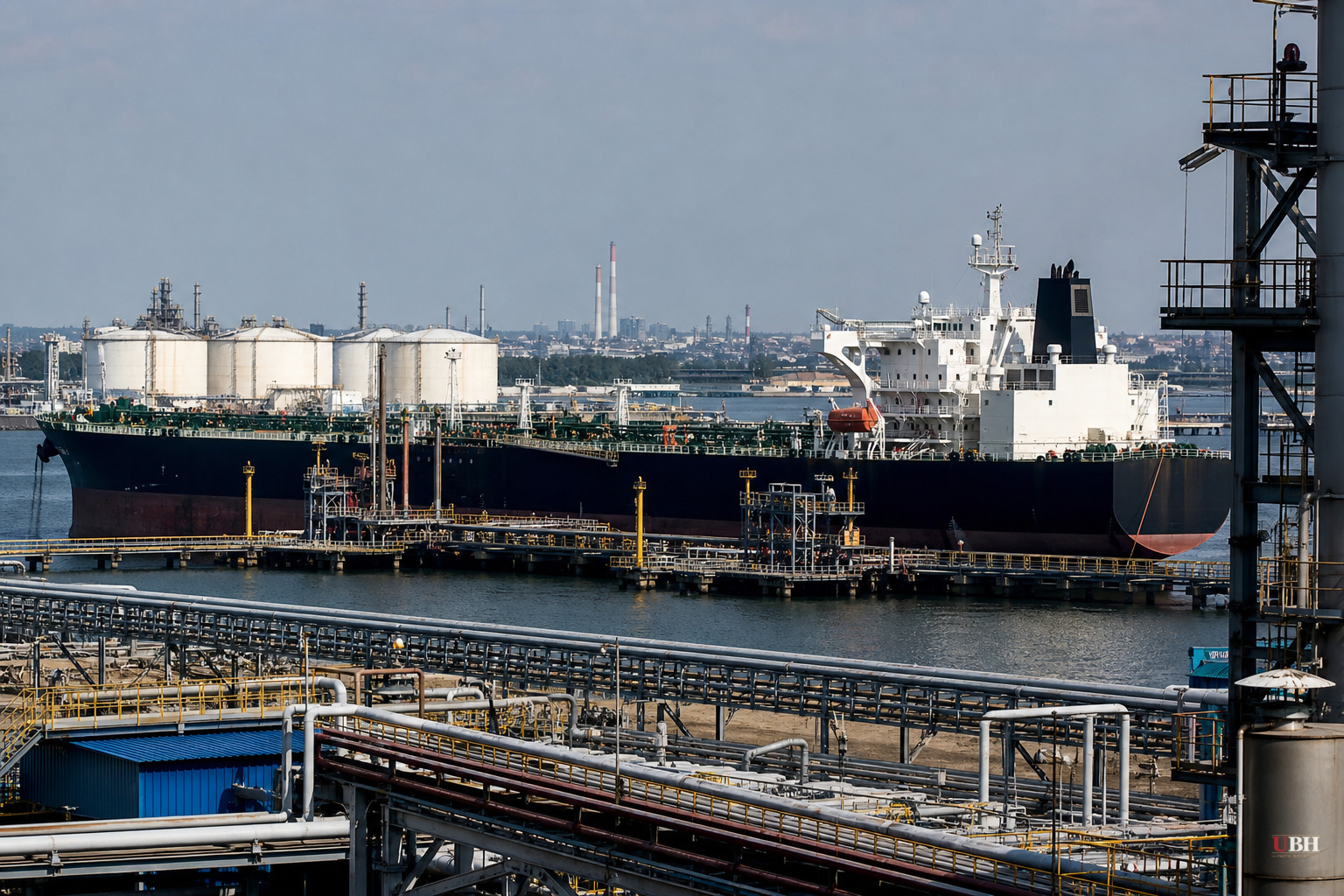
India raised its windfall tax on fuel exports again Monday, August 3, pushing the levy on diesel exports to somewhere between ₹24 and ₹25.5 per litre depending on the notification you read, up from ₹15.5 per litre before.
The discrepancy matters less than the direction. Whalesbook and Livemint both report the new diesel rate at ₹24 per litre, while Business Standard puts it at ₹25.5 per litre. Either way, it's a jump of at least ₹8.5 per litre, and it's the sharpest single move in this tax since the government brought it back in March.
Petrol exports get hit too. The special additional excise duty on petrol exports rises to ₹3.5 per litre from ₹2.5 per litre, a ₹1 increase, according to all three sources. Jet fuel, officially called aviation turbine fuel, climbs to ₹22 per litre from ₹14.5 per litre, a ₹7.5 per litre jump, per Livemint and Business Standard.
Domestic pump prices are not affected. Business Standard's report is explicit on this: excise duty rates on petrol and diesel sold inside India remain unchanged. This tax only bites on what refiners send abroad.
Why the government does this every two weeks
This isn't a one-off political stunt. India reviews these export levies every fortnight, tied to how much money refiners are making on the spread between what crude costs them and what refined fuel sells for overseas, according to Livemint. When that margin balloons, Delhi grabs a slice.
The logic, as both Livemint and Business Standard lay out, is straightforward. When refiners can make more money shipping diesel and jet fuel to Europe or elsewhere than selling it at home, they will. That risks squeezing domestic supply and pushing up prices for Indian drivers and truckers. The windfall tax is the government's blunt instrument to keep that from happening.
The whole mechanism traces back to March 27, when the government cut domestic excise duty on petrol and diesel while simultaneously bringing back windfall export taxes, according to Livemint. That move was a direct response to the Strait of Hormuz effectively closing amid the West Asia conflict, which threatened global fuel supply. Back then, special additional excise duty on petrol domestically was slashed to ₹3 per litre from ₹13, and the diesel duty went to zero from ₹10. In exchange, exporters got hit with fresh windfall duties, initially ₹21.5 per litre on diesel.
The Iran wrinkle nobody should ignore
Global oil prices actually fell on Monday, according to Livemint, after President Trump signaled the U.S. is preparing for fresh talks with Iran. Tehran denied any negotiations were underway, but Brent crude dropped anyway on the mere signal.
Windfall taxes are supposed to track international crude and refining margins upward when those margins spike. If Brent is retreating on Iran de-escalation hopes, a sharp tax hike looks less like a response to today's market and more like it's catching up to margins that were fat over the prior two-week window, before Monday's price move. The bi-fortnightly review structure means there's always a lag between what refiners actually earned and what the tax captures.
That lag is a legitimate gripe for the refining sector. Companies like Reliance Industries, along with state-run players such as ONGC and Oil India, are the ones absorbing this. Reliance runs one of the world's largest refining complexes and leans heavily on export markets for diesel and jet fuel. A retroactive-feeling tax hike compresses margins on volumes that were already locked in or shipped under different economics.
Upstream producers like ONGC and Oil India face a separate but related squeeze. They pay windfall tax on domestic crude production too, reviewed on the same fortnightly cycle, so higher global crude prices cut both ways for them. Better realizations on one line, bigger tax bite on another.
None of this is new policy territory. It's the same tool India has used since March, recalibrated. The open question is what happens at the next review. If Brent keeps sliding on any real Iran talks, and margins compress alongside it, the government will face pressure to lower the tax, just as it did with domestic excise duty in March. Business Standard's report notes a fresh Reserve Bank of India monetary policy meeting is also on the calendar for August, and falling crude typically feeds into inflation expectations that could factor into that decision. Nobody has said the two are officially linked, but they're moving on parallel tracks and worth watching together.
Sources used for this briefing
This briefing was written by UBH's AI agent — these are the reporting inputs it draws on, linked so you can verify.


