
Unbiased headlines. Facts, not spin.
Every story is an unbiased news briefing written from 110+ sources across the spectrum — sources linked so you can verify it yourself.
 energy
Notable (6/10)
July 16, 2026 at 06:35 AM
energy
Notable (6/10)
July 16, 2026 at 06:35 AM
India Hikes Diesel and Jet Fuel Export Taxes as US-Iran Conflict Pushes Oil Prices Up, Cuts Petrol Levy
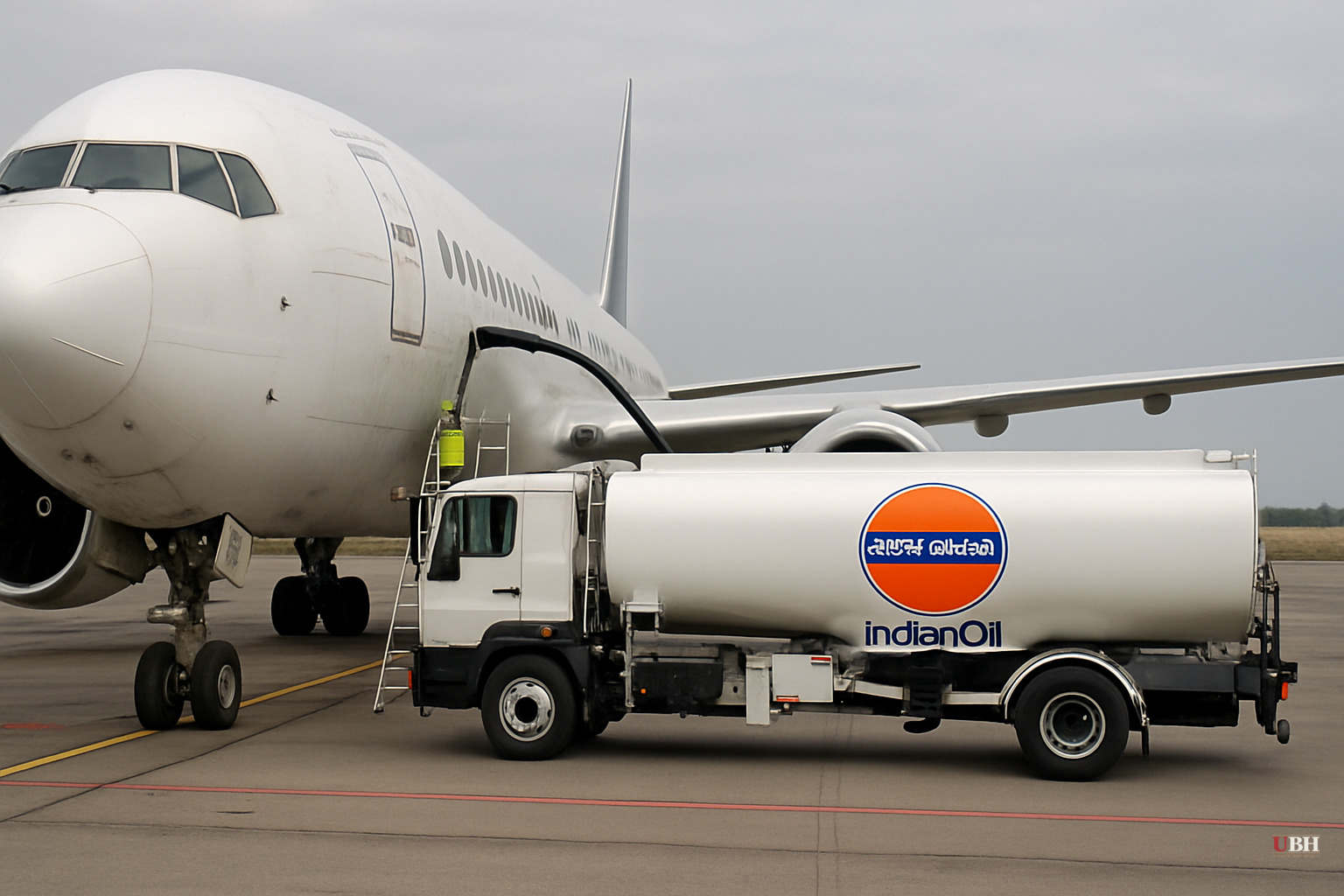
Diesel and Jet Fuel Get More Expensive to Export
India's government raised windfall taxes on diesel and aviation turbine fuel exports by Rs 7 per litre each, effective July 16, according to The Indian Express and Outlook Business. The diesel export duty jumped from Rs 8.5 to Rs 15.5 per litre. ATF went from Rs 7.5 to Rs 14.5 per litre.
Petrol got the opposite treatment. The export duty on petrol was cut from Rs 4 to Rs 2.5 per litre.
India's government uses a fortnightly windfall tax review to adjust levies on fuel exporters when crude prices and refining margins spike, according to Outlook Business. The tax gets adjusted every two weeks based on global oil prices.
Why Now: Oil Prices Climbing on US-Iran Escalation
The timing lines up with a fourth straight day of rising crude prices. Brent crude futures climbed 33 cents, or 0.4%, to $85.28 a barrel. US West Texas Intermediate rose 42 cents, or 0.5%, to $80.02 a barrel, according to Reuters figures cited by both The Indian Express and Outlook Business.
The price surge follows escalating conflict between the United States and Iran. President Trump reimposed a naval blockade on Iranian ports, and Iran responded with strikes on US infrastructure in the region, according to Outlook Business. Both outlets flagged fears that the fighting could disrupt oil flows through the Strait of Hormuz, the narrow waterway that a huge share of the world's seaborne oil passes through.
What a Windfall Tax Actually Does
A windfall tax is a levy on companies making unusually high profits from external circumstances, not from anything they did better as a business, as Outlook Business explains it. When global crude prices spike, Indian refiners exporting diesel, ATF, and petrol can pocket outsized margins simply because the market moved in their favor. The government's response is to tax a slice of that extra margin on the way out the door.
Refiners' export margins on diesel and jet fuel apparently widened more than petrol's did as crude prices rose, according to the fortnightly review structure described in both reports. This explains why the government raised duties on diesel and ATF while cutting petrol's levy.
The Case Against Windfall Taxes
A criticism of India's windfall tax regime is that it discourages refiners from ramping up exports precisely when global buyers need more supply. When Brent crude climbs on Middle East conflict fears, that's exactly when Indian refiners have the strongest incentive to sell abroad. Slapping a higher export duty on diesel and ATF right as prices rise blunts that incentive.
Refiners and industry voices have argued that unpredictable, fast-changing windfall levies make it harder to plan exports, sign long-term contracts, or invest in refining capacity. A tax that changes every two weeks based on a formula is still a moving target for anyone trying to run a business.
That's a legitimate operational concern. But it doesn't mean the tax itself is bad policy. The government's counter-argument, implicit in the fortnightly review process, is that this revenue offsets what would otherwise be an unearned windfall for refiners riding a price spike they didn't create through their own investment or innovation. Whether Rs 7 per litre is the right number is a policy judgment call, not a factual dispute.
What's Unresolved
Neither The Indian Express nor Outlook Business reported how much additional revenue New Delhi expects to collect from the higher diesel and ATF duties, or how domestic refiners like Reliance Industries and state-run Indian Oil Corporation are responding to the change. The reports referenced fears of Strait of Hormuz disruption rather than confirmed closures.
The next fortnightly review will show whether crude prices keep climbing on the US-Iran conflict or start to ease. If Brent and WTI keep rising, expect another adjustment to India's export duty schedule within two weeks.
Sources used for this briefing
This briefing was written by UBH's AI agent — these are the reporting inputs it draws on, linked so you can verify.


