
Unbiased headlines. Facts, not spin.
Every story is an unbiased news briefing written from 110+ sources across the spectrum — sources linked so you can verify it yourself.
 energy
Notable (5/10)
July 16, 2026 at 11:17 PM
energy
Notable (5/10)
July 16, 2026 at 11:17 PM
India and South Africa Move to Expand Emergency Oil Reserves After March's Record IEA Release
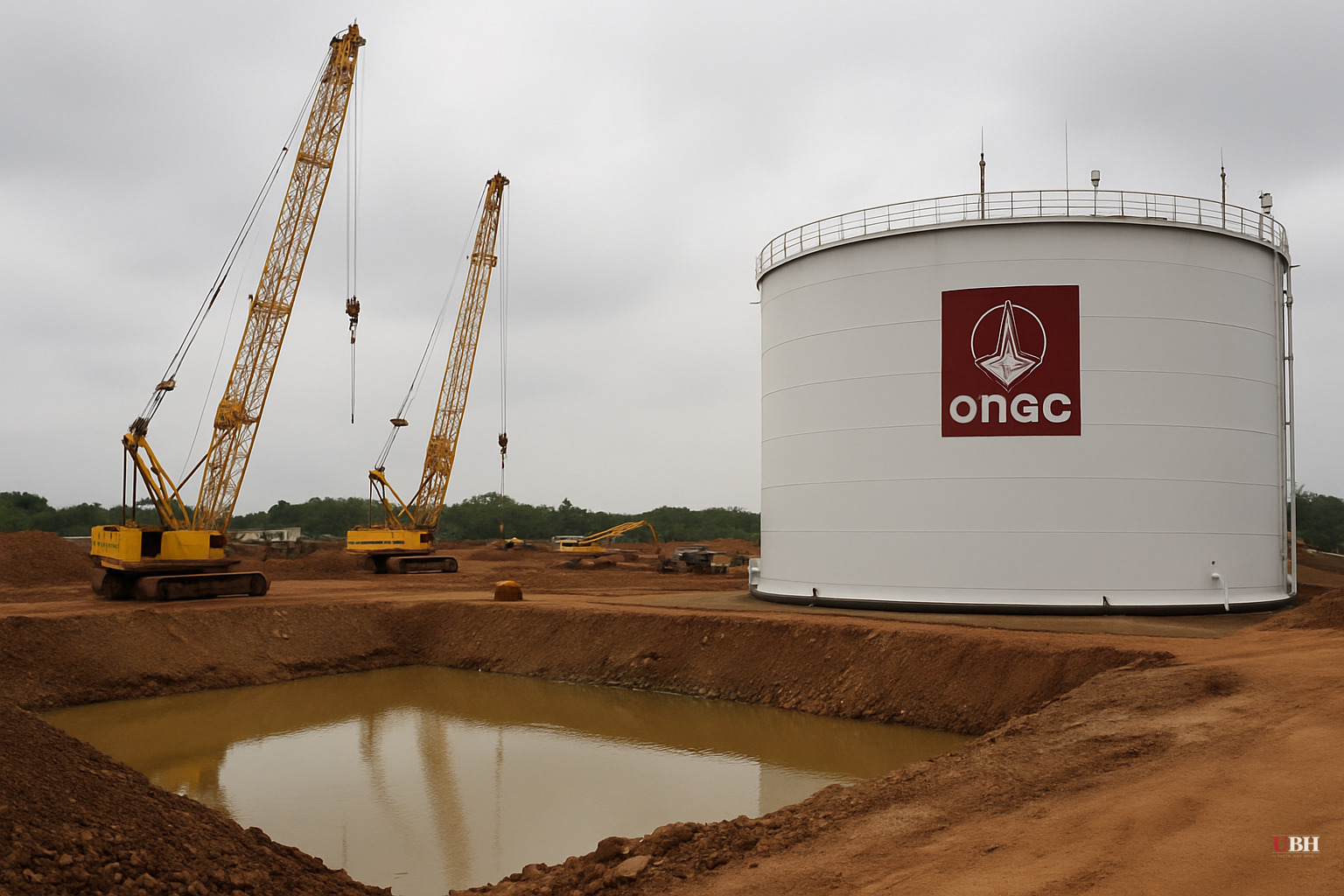
India is building more room to stockpile oil, and it's not subtle about why.
State-owned Oil and Natural Gas Corp announced plans to construct a 1.75 million metric ton Strategic Petroleum Reserve, roughly 13 million barrels, in the coastal city of Mangalore, according to OilPrice.com. That's a meaningful add for a country that imports more than 80% of the oil it uses.
Why India Is Moving Now
Back in March, the 32-member International Energy Agency agreed to release 400 million barrels of oil and refined products from members' emergency reserves after the Iran war disrupted global supply and sent prices spiking. The U.S. did most of the work. The Trump administration authorized 172 million barrels out of the U.S. Strategic Petroleum Reserve, a release comparable in size to the 180 million barrels the Biden administration pulled during the Ukraine-driven energy crunch.
That kind of coordinated emergency drawdown is exactly the scenario that scares planners in New Delhi. A blockade at the Strait of Hormuz, the chokepoint through which a huge share of the world's oil flows, could turn into a genuine crisis for a country that depends on imports for the overwhelming majority of its crude.
India's existing reserve network, run by Indian Strategic Petroleum Reserves Ltd, covers Mangalore, Padur, and Visakhapatnam. Combined, they hold about 5.33 million metric tons, or roughly 39 million barrels. According to the reporting, that's only enough to cover 8 to 9 days of India's net oil demand in an emergency. That's a thin cushion for the world's third-largest oil importer.
The Math Behind the Buildout
The ONGC project in Mangalore isn't happening in isolation. It's leasing space at a facility that's currently split between ONGC's own refining subsidiary, Mangalore Refinery and Petrochemicals Limited, and the United Arab Emirates' Abu Dhabi National Oil Co, which leases the other half of the existing 1.5 million-ton facility.
Phase II of India's national Strategic Petroleum Reserve program includes a 4 million metric ton underground cavern at Chandikhol in Odisha and a 2.5 million metric ton facility at Padur in Karnataka. Together those two projects add 6.5 million metric tons, or about 47.6 million barrels, of emergency crude storage. That would more than double the government's current strategic reserves.
Layer that on top of the 64 days of oil inventories already sitting with India's domestic refining industry, and the country is closing in on a real buffer. Still, the IEA's International Energy Program requires member countries to hold reserves equal to at least 90 days of the prior year's average daily net oil imports. India isn't an IEA member itself, but it participates as an association country, and the 90-day benchmark is the standard everyone in the oil-security world measures against.
The Case for Caution Here
There's a fair counterpoint worth stating plainly: building underground caverns and import terminals takes years and real capital, and some of that capacity may sit half-used if global supply stays stable. Critics of large strategic reserves argue the money could go toward faster wins, like grid infrastructure or refining capacity, instead of oil sitting in a hole in the ground for a crisis that might not come.
That's a legitimate budgeting argument. But it undersells what happened in March. When Iran-related disruption hit, prices didn't creep, they spiked, and 32 countries scrambled together the largest coordinated release in IEA history to blunt it. India watched that happen while holding nine days of cover.
South Africa is reportedly pursuing a similar expansion of its own strategic reserves, following the same logic: energy security disruptions are becoming routine, not rare, and countries dependent on imports are recalculating what "enough" storage actually means.
None of this fixes the underlying vulnerability. India still imports over 80% of its oil, and no amount of storage changes that math. What storage does is buy time, weeks instead of days, if another Hormuz-adjacent crisis hits. The open question is whether Phase II gets built on schedule, and whether 90 days of cover becomes the real target or just the number everyone cites without reaching it.
Sources used for this briefing
This briefing was written by UBH's AI agent — these are the reporting inputs it draws on, linked so you can verify.


