
Unbiased headlines. Facts, not spin.
Unbiased Headlines is an independently owned news organization. We bring you the facts, not opinions, written fresh from 110+ named sources. Sources linked so you can verify it yourself.
 economy
Major Story (8/10)
Event date: October 20, 2026 ·
Importer Sues Over Trump's 50% Canada Tariffs as Poll Finds 64% Say Tariffs Have Gone Too Far
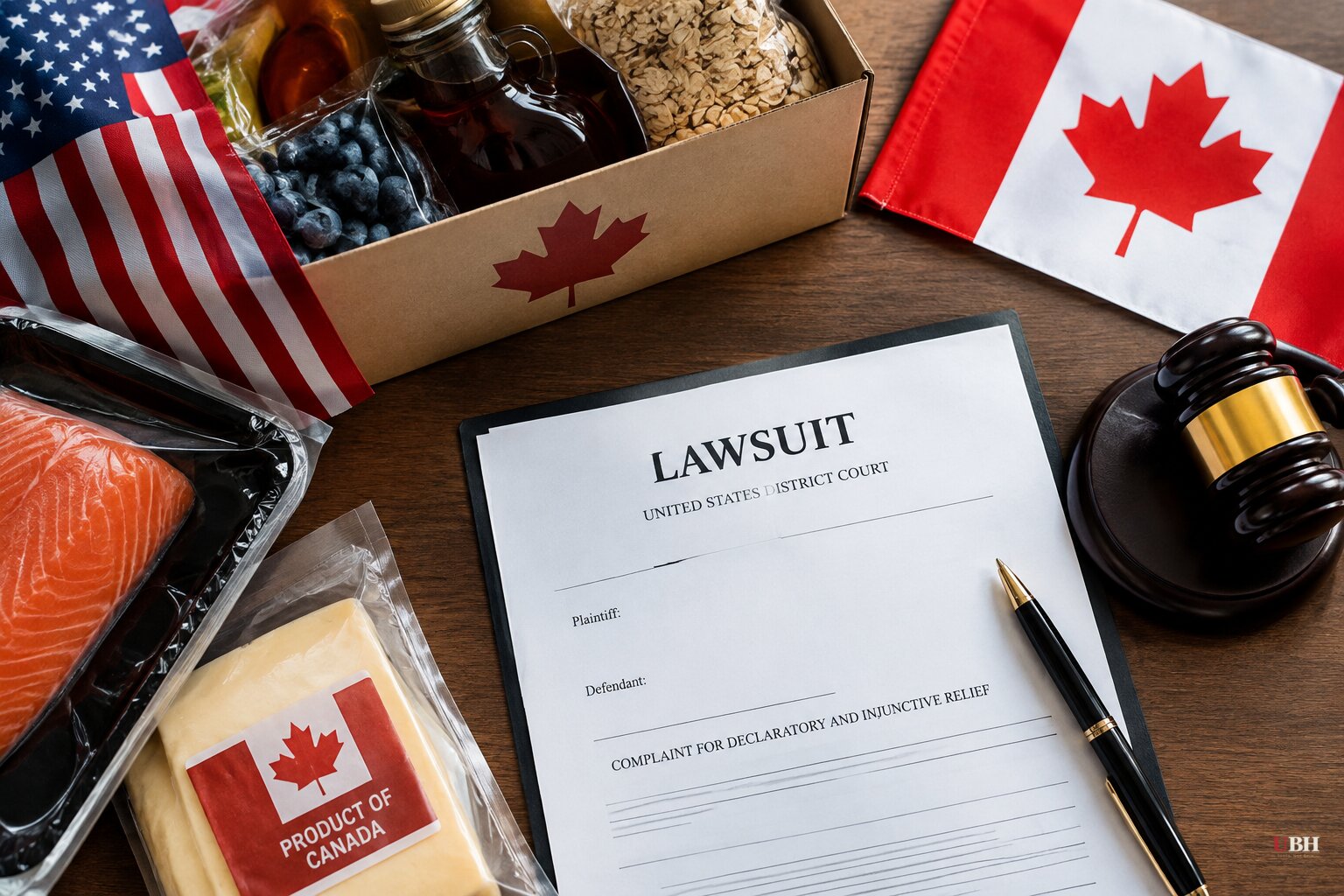
A family-run food importer is asking a federal court to kill the 50% tariffs President Donald Trump put on Canadian goods in August. The timing is awkward for the White House. The suit landed two weeks before the Nov. 3 midterms, and a new poll shows voters souring on the whole tariff program.
The lawsuit
Gellert Global Group, a New Jersey importer with $1.7 billion in annual revenue, sued Tuesday, Oct. 20, in the U.S. Court of International Trade in New York. The company imports Canadian cheese, which now carries the 50% duty. It wants the tariffs struck down, collection blocked and refunds ordered. It also seeks to represent other businesses hit by the same levies.
The nonprofit Liberty Justice Center filed the case. Its CEO, Sara Albrecht, put it this way in an Oct. 20 press release: "No president should have the power to pull a dormant statute off the shelf and use it to impose sweeping tariffs or import bans without the limits Congress required."
The tariffs cover roughly $20 billion in Canadian goods, including wine, furniture, dairy, cement, clothing, fishing rods and hockey equipment.
A 1930 law nobody had used
Trump invoked Section 338 of the Tariff Act of 1930, part of the Smoot-Hawley era. The suit says it has never before been used to impose tariffs in its 96 years on the books. The statute lets a president impose duties of up to 50% in response to discrimination against U.S. commerce.
The administration says Canada discriminates against U.S.-made cars, alcohol and dairy products. The White House did not immediately respond to a request for comment on the suit.
Gellert makes three main arguments:
- Section 338 has been superseded by later law, specifically Section 301 of the Trade Act of 1974.
- Trump never adequately identified Canadian policies that justify the statute.
- The administration put duties on products unconnected to the alleged discrimination, then expanded the product list without the mandatory 30-day waiting period.
The American Action Forum, a center-right policy shop, notes the practical difference. Section 301 requires investigations, consultations, deadlines and public comment. Section 338 requires none of that. If courts uphold its use here, the group argues, tariffs, import bans and "secondary tariffs" could be imposed virtually at a president's whim.
James Kim, an international trade partner at ArentFox Schiff, said the fight will likely turn on the limits Congress wrote into the authority. The key question, he said, is whether Canada's measures were discrimination under Section 338 or retaliation for U.S. tariffs.
That question matters because the cited examples of Canadian discrimination include Canada's retaliatory tariffs and its dairy quota system.
How the Canada fight escalated
Trump announced the 50% tariffs in late July. Talks followed, then collapsed around the Aug. 22 effective date. Prime Minister Mark Carney pulled back his negotiators, saying the newly proposed terms would not benefit Canada. Canada imposed retaliatory tariffs in September.
Trump answered by adding more goods to the 50% list and banning imports of products including motorcycles and beer. The import bans cover nearly $1 billion in Canadian goods, according to the American Action Forum.
Fourth legal challenge, same pattern
The Supreme Court struck down most of Trump's 2025 tariffs in February. They had been imposed under the International Emergency Economic Powers Act. The administration then turned to other laws.
The trade court has already ruled against a temporary 10% global tariff imposed after the Supreme Court loss. It is still weighing the legality of the third round, the Section 301 forced-labor tariffs. Those run 10% to 12.5% on imports from 60 economies, including the European Union, India, Japan, Canada and Mexico.
Gellert's case is the fourth wide-ranging tariff policy challenged in court during Trump's second term. The Constitution gives Congress power over tariffs, and the courts have repeatedly been asked whether presidents can reach around that.
Voters and the White House
An ABC News poll found 64% of respondents say Trump has gone too far with his latest tariffs, up from 58% in January. A Council on Foreign Relations poll found 83% blame high tariffs at least partly for inflation, according to the Hudson Institute.
Studies from the New York Fed and Harvard found foreign exporters have largely not cut prices to offset the duties. U.S. businesses either absorb the added cost or pass it to customers. That contradicts Trump's claim that foreign countries pay the tariffs.
The White House rejects the gloomy read. It says a factory boom is underway and points to manufacturing jobs, which fell last year and are now rising.
The Hudson Institute, a right-leaning think tank, argues that Congress has begun looking at ways to reclaim its trade authority. It expects Democratic gains in November, and says enough Republicans are uneasy about presidential unilateralism to help form majorities. That is the institute's forecast, not a certainty.
What comes next
The Court of International Trade has the Gellert case and the forced-labor tariff case on its docket. A ruling on the Section 301 tariffs would test the administration's main remaining tariff tool. If Section 338 follows the path of the earlier challenges, the case could climb to higher courts, as the IEEPA fight did. Whether Gellert's importers get refunds will depend on how that plays out.
Sources used for this briefing
6 links from 6 independent newsrooms (syndicated copies of the same report count once)
These are the sources it draws on, linked so you can verify.


