
Unbiased headlines. Facts, not spin.
Unbiased Headlines is an independently owned news organization. We bring you the facts, not opinions, written fresh from 110+ named sources. Sources linked so you can verify it yourself.
 economy
Notable (6/10)
Event date: October 19, 2026 ·
Berlin's Left-Led Coalition Plans to Socialize About 150,000 Apartments Held by Its Largest Landlords
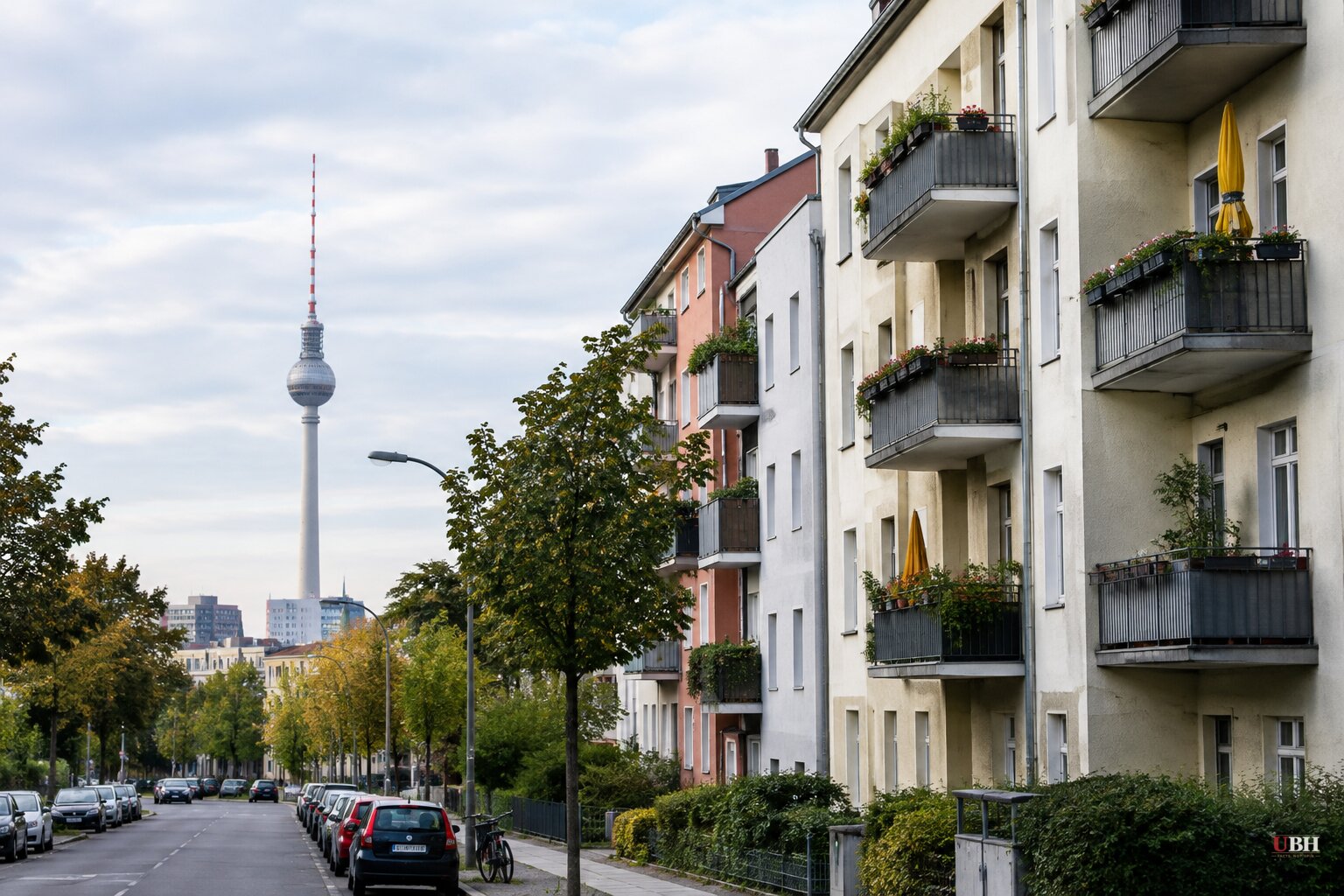
Berlin's likely next government wants to take roughly 150,000 apartments out of private hands.
Die Linke, the Greens and the SPD presented a 30-page exploratory paper on Saturday, Oct. 17, to underpin their coalition agreement for the next Berlin Senate. It proposes socializing, under Article 15 of the German constitution, every apartment a private landlord owns in the city above the first 10,000. That would put about 7 percent of Berlin's housing supply under public control.
The paper follows Die Linke's win in the Sept. 20 state election, where the party took 25.7 percent of the second vote, its best result ever. The party is exploring a possible coalition with the Greens and SPD, and the arrangement is not yet final.
What the paper proposes
According to ZeroHedge's reading of the paper, compensation would be capped at €16 billion. That works out to about €105,000 per apartment, or roughly 58 percent of book value. ZeroHedge also reports the cap is conditional on "fiscal sustainability," meaning it can fall if financing conditions worsen. Those figures rest on that outlet's account and have not been confirmed by the coalition parties here.
ZeroHedge also reports that the three parties agreed on a threshold of 10,000 units per company, with each landlord allowed to keep its first 10,000, and that apartments built after Jan. 1, 2021, along with cooperatives and non-profits, are exempt. It describes a financing concept in 2027 that leaves open whether owners get cash or 100-year bonds, a bill in the Berlin parliament by mid-2028, and transfers taking effect one year after promulgation, mid-2029 at the earliest.
The threshold is far higher than what the left campaigned on. Die Linke's own program called for companies owning more than 3,000 flats to transfer their portfolios to a public-law institution, with compensation "significantly below market value." Around 220,000 homes could have been affected under that version.
The 2021 referendum went further still. Berliners voted in favor of a non-binding measure to expropriate landlords with more than 3,000 apartments, about 240,000 units in total. ZeroHedge puts the share in favor at 59.1 percent, while the Hungarian Conservative cites 57.6 percent for the 2021 referendum.
The case for going ahead
Supporters have a democratic argument and a legal one. The 2021 vote passed with a clear majority. An expert commission concluded in 2023 that expropriation under Article 15 was legally possible.
Die Linke's lead candidate, Elif Eralp, has refused to back off the policy. On election night she declared, "If Die Linke governs, there will be socialization. I said that, and I stand by it." She also told Reuters that Zohran Mamdani's win in New York was "a big example for us."
The SPD's lead candidate, Steffen Krach, had categorically ruled out expropriations during the campaign. ZeroHedge reports the SPD folded in the exploratory talks.
One caution on the legal side: Article 15 has never been used in the 77-year history of the Federal Republic. A court test is likely. ZeroHedge argues the people best placed to stop the plan sit in Karlsruhe and in the federal Chancellery. The Hungarian Conservative reports Chancellor Friedrich Merz is pushing for a nationwide law to prevent German states from socializing private rental-housing portfolios.
Public opinion may also have shifted. An Infratest dimap election-day survey found 51 percent opposed to socialization and 37 percent in favor, a reversal from the 2021 referendum.
What lenders and builders say
The property industry says the damage started before any law was written. The BFW Berlin/Brandenburg property federation surveyed its member companies before the election. Of those that responded, 37 percent had already postponed investments over the socialization uncertainty.
They reported 3,480 planned homes stopped or never launched, 1,630 abandoned property purchases and 143 cancelled modernization projects. Seventy-seven percent said the issue was affecting financing talks. Eighty-seven percent said Berlin would become a "poor or very poor investment location" if socialization proceeds.
BFW chairman Michael Kranz put it this way: "When banks demand risk premiums, financiers pull out and developers stop projects, the simple question is: who still wants to build in Berlin under these conditions? Nobody."
The BFW is a lobby for the people who would lose assets, and its numbers come from a survey of its own members. Independent research points the same way, though. An ifo Institute study drew on about 2.3 million rental listings, 1.1 million sale listings and construction data from Germany's 14 largest cities. It found that Berlin's earlier rent cap and the continuing expropriation debate significantly reduced new construction and renovation by large housing companies. From 2023, asking rents were estimated to be 10 to 15 percent higher than they would have been otherwise.
Berliner Sparkasse, Berliner Volksbank, DKB and the publicly owned Investitionsbank Berlin said before the election that socialization would create "no additional housing" while threatening investment.
Markets react
Shares in Vonovia, Germany's largest residential landlord and one of Berlin's biggest private owners, fell as much as 2.2 percent to a three-year low after the election.
The bigger move came in credit. ZeroHedge reports that Adler Group's 10 percent notes due 2029 fell 20 points on Monday to a record low near 59 cents on the euro, after touching about 53 earlier in the session. The outlet ties that to the roughly 43 percent of Adler's yielding Berlin portfolio that could be bought at a 42 to 48 percent discount to book value. That price move and its cause come from one outlet's account.
The Washington Post's opinion section called the plan a housing raid and argued it is "doomed" as a way to curb rents. Socialization transfers ownership of existing apartments. It does not add a single new one, which is the point the banks and the BFW are making.
ZeroHedge also quotes Martha Kleedörfer, Die Linke's Berlin deputy chair, as telling investors on Instagram that the party would have no problem if they "finally go home." That quote comes from the one outlet and has not been independently confirmed here.
What comes next
The paper is a basis for coalition talks, not a signed agreement or a bill. The compensation cap carries a fiscal-sustainability condition. Any actual seizure would almost certainly face a constitutional challenge from the landlords. Whether Article 15 survives its first real use, and whether €16 billion counts as adequate compensation, is a question for the courts.
Sources used for this briefing
4 links from 3 independent newsrooms (syndicated copies of the same report count once)
These are the sources it draws on, linked so you can verify.


