
Unbiased headlines. Facts, not spin.
Unbiased Headlines is an independently owned news organization. We bring you the facts, not opinions, written fresh from 110+ named sources. Sources linked so you can verify it yourself.
 economy
Major Story (7/10)
China's Offshore Trust Tax Deadline Passes Oct. 22 as Wealthy Clients Ask U.S. Banks for Accounts
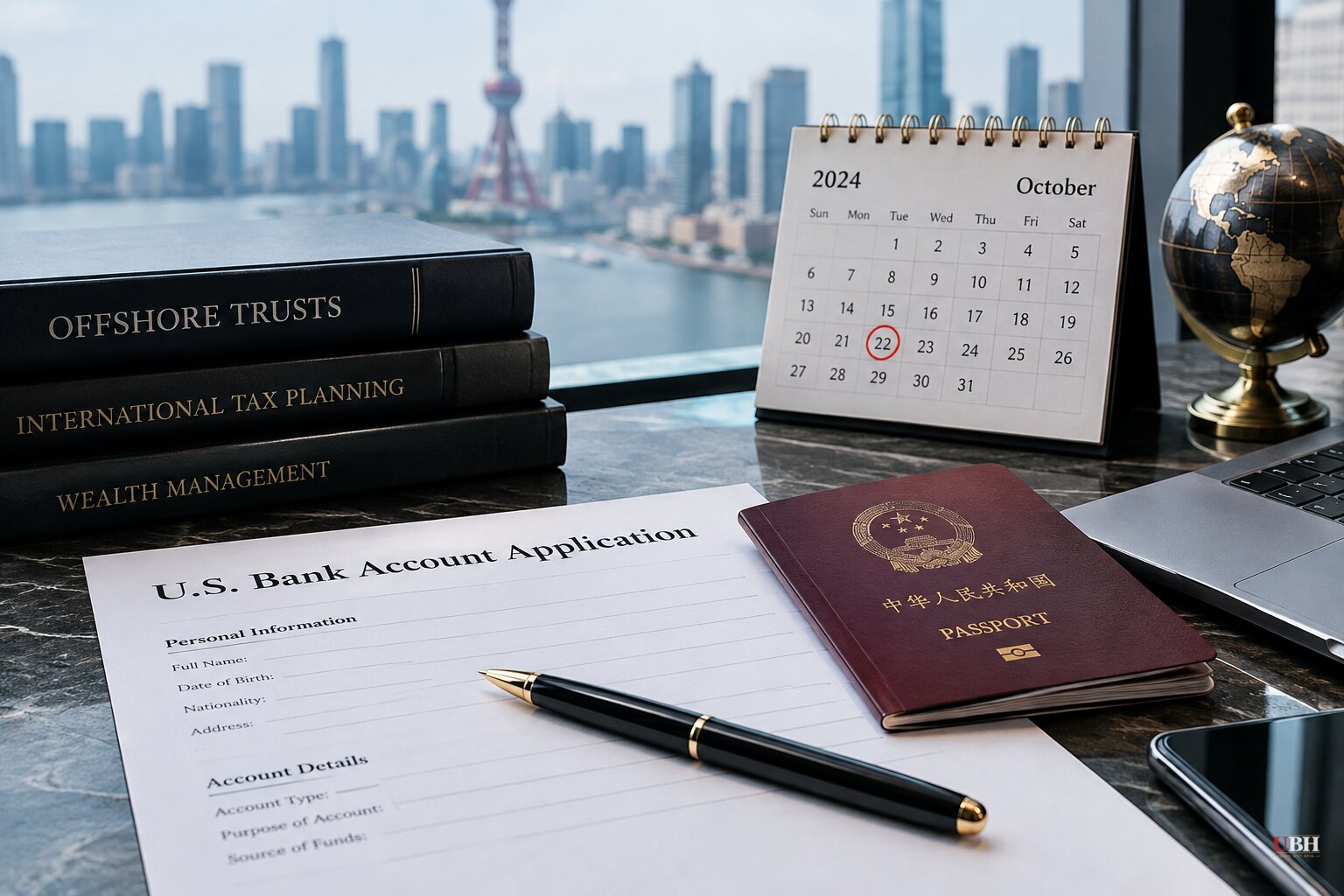
China's grace period for declaring and paying tax on offshore trust income ended today, Oct. 22. The window opened in late July, when Beijing said income and gains from overseas trusts owned by Chinese tax residents would be taxed at 20%.
Caixin Global reports the deadline produced substantial back-tax payments. Some taxpayers are still holding out over disputes about valuations and how far the collection reaches.
A cash scramble
Boston Consulting Group estimates China's offshore wealth at about $1.7 trillion. Offshore trusts became a popular tool for top shareholders of overseas-listed Chinese companies.
Founders of Hong Kong- and U.S.-listed firms face the biggest exposure, because many sold shares through trusts at peak valuations between 2014 and 2020. Oscar Liu, CEO of wealth adviser JLT Legacy Group, estimates that tax in a single case could run from a few million yuan to hundreds of millions, or even billions.
The bills are due in cash. A family office lawyer told Reuters that clients cannot offset share-price losses against the tax. Property developers that collected large dividends in past years are now too weak financially to pay, the lawyer said.
One tech billionaire's family office is selling about half its equity portfolio, according to a person who works there. "It is like pulling the rug from under one's feet," that person said. Lawyers in Singapore and Hong Kong have been unwinding trusts, selling shares in listed companies and arranging loans to cover the bills. Reuters also reports that some wealthy individuals are switching nationality.
Caixin says the asset sales have raised concerns about added selling pressure in financial markets.
Tax officials go looking
Three people with knowledge of the matter told Reuters that China's State Taxation Administration has ordered employees to chase those liable. They are working from a list built from the Hurun wealth rankings, corporate filings and other public information. The three asked for anonymity because the measures are confidential.
Liu says some provinces and cities with many wealthy entrepreneurs have set up special task forces to collect information on offshore trusts.
China's State Council declined to comment to Reuters. The State Taxation Administration and the finance ministry did not respond. Reuters ties the push to tighter scrutiny of capital outflows amid fiscal strain, as the economy contends with weak domestic demand.
Why the U.S.
Private bankers and lawyers say inquiries about opening U.S. bank accounts have grown in the months since the July announcement. Clients are moving assets previously held in Singapore or Hong Kong.
The U.S. is not part of the Common Reporting Standard, the OECD framework under which more than 100 jurisdictions automatically share financial account data. Banks in Singapore and Hong Kong are supposed to report China-linked accounts to Beijing. American banks have no such obligation.
"It has become relatively prevalent," said Keith Tan, CEO of Singapore-based Golden Acacia Capital. His clients began planning exits to the U.S. in July, and some had accounts set up in less than two months. "The hurdle is not that high for Chinese clients to open American accounts and transfer assets there," he said.
Tan says wealthy clients tend to pick large private banks, while smaller accounts go to regional banks or online brokers. A New York wealth-planning advisor who works with Chinese family offices, speaking anonymously, said U.S. banks are straining to keep up. Some have shortened the timeframe for clients to meet minimum capital commitments before accounts face closure.
Tan also says Chinese families with children holding U.S. green cards have used foreign grantor trusts to limit some U.S. tax exposure. He named Nevada and Florida as popular low-tax states.
The limits of the move
A U.S. account does not erase a Chinese tax obligation. James Wang, CEO of Blue Brick Consulting Group, says Beijing's latest rules require people classified as Chinese tax residents to self-declare worldwide income. Wang does say non-resident clients can find U.S. investment vehicles with reduced or no IRS filing obligations.
That is the core of the opposing argument from advisers: moving money out of reach of automatic data-sharing only works if the owner stays quiet. Under Beijing's rules, the owner is the one required to speak up.
Some commentators expect the crackdown to push money into digital dollars. Hugh Harsono, writing in an SCMP opinion piece, argues that rich Chinese may be more motivated to explore dollar-linked digital assets. He notes that authorities have reaffirmed that all cryptocurrency activity is illegal and have imposed strict limits on yuan-pegged stablecoins and on tokenized-asset activity outside approved infrastructure. That is Harsono's forecast, not a documented trend.
In an Epoch Times commentary, James Gorrie argues that Beijing is struggling to control informal "flying money" networks. He cites U.S. Treasury estimates of more than $250 billion in illicit outflows through such channels over four quarters. That figure appears in his commentary and is not independently confirmed here.
What to watch
The deadline has passed, but the numbers have not been published. Beijing has not disclosed how much it collected or how many taxpayers are contesting their bills. The holdouts Caixin describes are disputing valuations and scope, and how tax officials resolve those cases is the next test of the retroactive tax.
Sources used for this briefing
7 links from 7 independent newsrooms (syndicated copies of the same report count once)
These are the sources it draws on, linked so you can verify.


