
Unbiased headlines. Facts, not spin.
Unbiased Headlines is an independently owned news organization. We bring you the facts, not opinions, written fresh from 110+ named sources. Sources linked so you can verify it yourself.
 economy
Notable (6/10)
UK Consumer Confidence Falls 11 Points to -24, Steepest Drop Outside Covid Since Brexit Vote
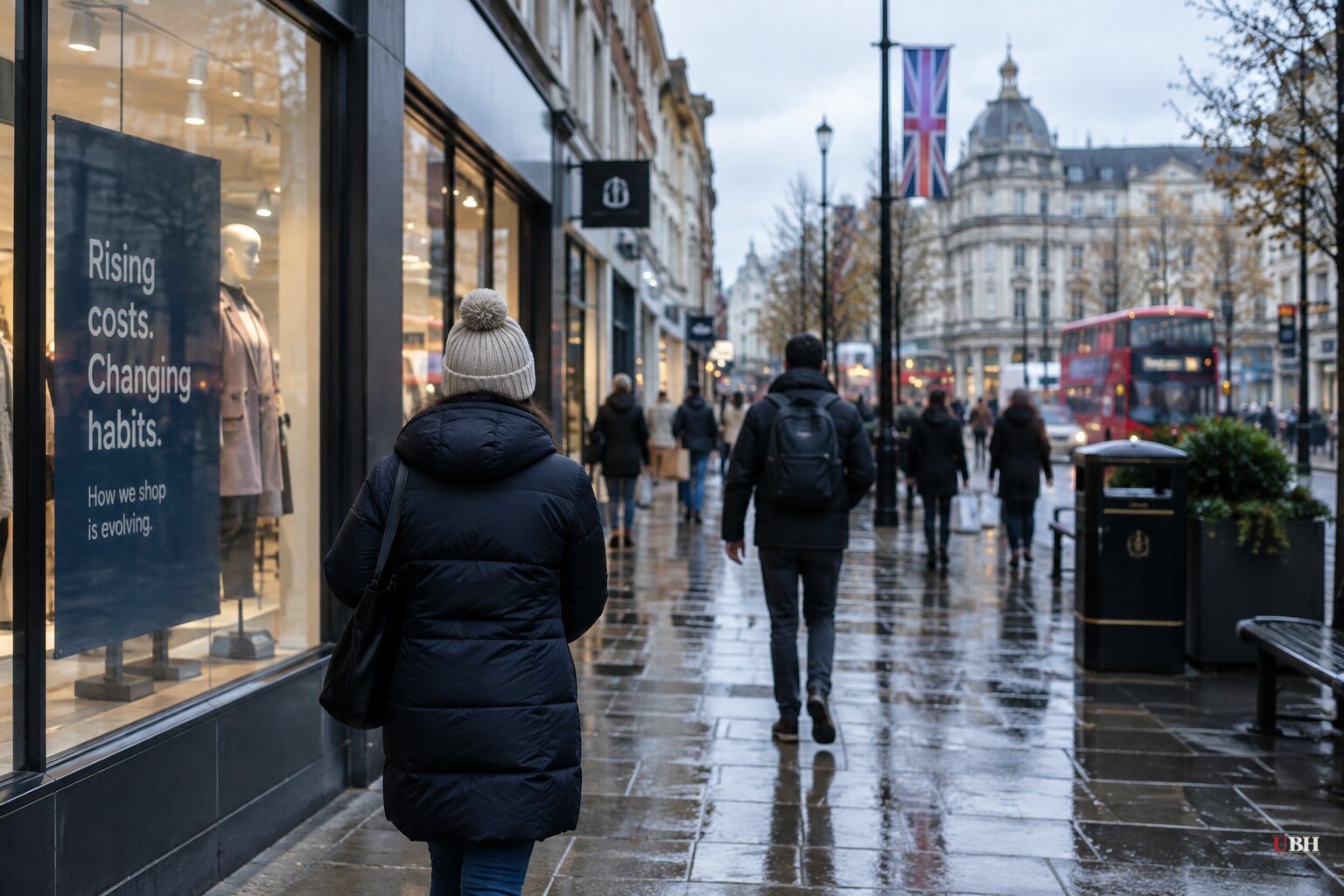
British households got markedly gloomier in October, and the timing is awkward for the government.
GfK's consumer confidence index dropped 11 points to -24, its lowest reading since April. Every forecast in a Reuters poll of economists was more optimistic. September's reading of -13 had been the highest since August 2024.
The monthly fall was the biggest since April 2020, just after the first Covid lockdown began. Strip out the pandemic and you have to go back to the 2016 Brexit vote for a drop this size. GfK's survey of 2,003 adults ran from Oct. 1 to Oct. 14.
What households told the pollsters
Every measure in the survey declined. Two fell hardest, each by 14 points.
- Expectations for the general economy over the next 12 months fell to -36, six points below a year ago.
- The major purchase index fell to -22, its lowest in more than two years.
- The personal finances index for the next year fell eight points to -3.
Consumers' inflation expectations also rose to their highest since April, close to a 3½-year peak.
Neil Bellamy, consumer insights director at GfK, called it "an extraordinary collapse" and said "the speed of this deterioration is alarming." He said the weakness showed up across income, age and gender groups.
GfK did not blame one cause. Bellamy said there was "no single major economic event driving the decline." He pointed to "relentless cost-of-living pressures" and unresolved regional conflicts that are "themselves contributing to domestic inflation now at 3.5%."
The numbers behind the mood
Official figures released Wednesday showed headline inflation rose more than expected to 3.5% last month. The government deficit came in at £24.5bn, worse than forecast.
Petrol and diesel prices have surged close to record highs as the Middle East war escalates, and energy bills have risen ahead of winter. Projections cited ahead of the budget say the typical household's energy bill could reach £2,000 a year from January.
The Trades Union Congress calculated that UK households have paid almost £14,000 on average in extra costs over the past five years for mortgages, loans, energy and water bills.
The summer looked different. GfK said a "Burnham bounce," a strong run by England's men at the World Cup and sunny weather lifted sentiment after Andy Burnham became prime minister. Bellamy said the October reading is back at the level of April, May and June, and that the summer's "buoyant mood has evaporated."
Other surveys this month from S&P Global and LSEG/Ipsos also showed weaker consumer sentiment, undoing the recovery that began around Burnham's appointment.
Healey's room to move
Healey delivers his first budget to the Commons on Wednesday, Oct. 28. He has promised "breathing space" measures for households and businesses.
He has also warned that resources for intervention are limited. The Middle East conflict has pushed UK borrowing costs to their highest level in decades, and Wednesday's deficit figure was worse than forecast.
The chancellor has struck an upbeat tone on the economy. He points to first-half growth that was jointly the fastest in the Group of Seven. Confidence surveys measure how people feel, not what the output data show, and the government's argument rests on that growth record.
But the sentiment numbers are the ones with the most direct bearing on spending. The drop in the major purchase index shows households pulling back on big-ticket items, and that falls hardest on retailers and manufacturers heading into winter.
That leaves a tight bind. Every pound of new relief for households has to be funded at borrowing costs the chancellor himself describes as the highest in decades, against a deficit already running over forecast. Taxpayers would carry any new debt.
The Bank of England factor
Rising inflation expectations are likely to concern the Bank of England, which is expected to raise interest rates next month. Higher rates would add to the mortgage and loan costs the TUC says households have already absorbed.
It remains to be seen whether Healey's package on Oct. 28 can ease pressure on household budgets without adding to the borrowing costs he has said are constraining him. The Bank's rate decision follows next month.
Sources used for this briefing
7 links from 6 independent newsrooms (syndicated copies of the same report count once)
These are the sources it draws on, linked so you can verify.


