
Unbiased headlines. Facts, not spin.
Every story is an unbiased news briefing written from 110+ sources across the spectrum — sources linked so you can verify it yourself.
 energy
Major Story (7/10)
July 9, 2026 at 08:34 PM
energy
Major Story (7/10)
July 9, 2026 at 08:34 PM
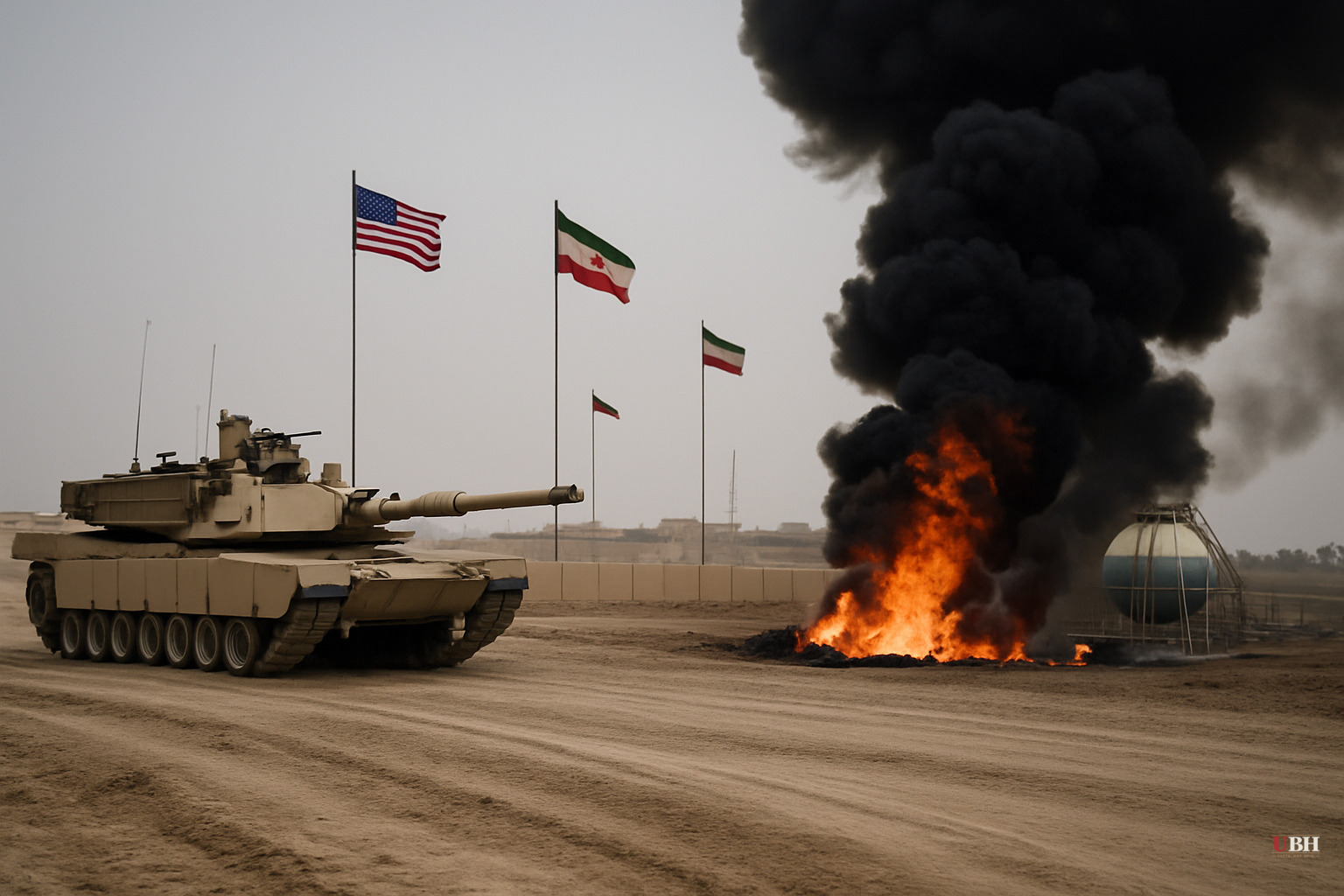
IMF Forecasts 3% Global Growth Amid U.S.-Iran War, but Europe's Gas Reserves Are Dangerously Low
The Numbers First
The International Monetary Fund, in its July 8 update, declared that the global economy has "weathered the shock from the war better than feared." Global GDP growth is now projected at 3 percent for 2026. Before the U.S.-Israeli operation against Iran began in February, the IMF had forecast 3.3 percent. That's a real hit, but it's not the recession the IMF warned about in April.
Global inflation is projected at 4.7 percent, driven largely by war-induced increases in oil and natural gas prices, according to the IMF report covered by The Atlantic.
How the World Avoided a Worse Outcome — So Far
Two things cushioned the blow for energy-importing nations in Europe and Asia. First, they drew down strategic oil and gas reserves, preventing acute shortages. Second, the AI-driven technology boom kept equipment exporters like China and South Korea growing faster than anyone expected, which offset energy-sector drag.
Neither of those buffers is unlimited.
The U.S. Position Is Genuinely Different
America is a net energy exporter. That matters enormously here. The war that has disrupted global oil and gas markets has NOT materially damaged U.S. growth. The IMF expects the United States to grow faster in 2026 than it did in 2025, one of the very few advanced economies in that position.
The S&P 500 is up roughly 9 percent since the joint U.S.-Israeli operation began in February, according to The Atlantic. American consumers are paying more at the pump, but the broader U.S. economic machinery has kept moving.
Critics who argue the administration bears no cost for prolonged military engagement have a point that's hard to dismiss: when the domestic economic pain is minimal, the political pressure to end a war is also minimal.
The Cease-Fire That Wasn't
On July 8, the same day the IMF delivered its relatively upbeat assessment, President Trump declared the cease-fire "over" and stated, "We're going to hit them hard again tonight." The United States resumed bombing Iran.
This is the central instability the IMF's sanguine numbers don't fully capture. The Strait of Hormuz has been described by various parties as simultaneously open and closed. Diplomatic negotiations with Iran have proceeded in parallel with active military strikes. The administration has repeatedly declared victory while continuing to negotiate a settlement that, according to The Atlantic's reporting, Iran has sent mixed signals about accepting.
This prolonged state of uncertainty is not a stable equilibrium. Markets have so far absorbed it, but uncertainty compounds over time.
The Strongest Case for the Administration's Approach
The IMF data does support the argument that U.S. pressure on Iran has not produced the catastrophic global economic fallout that critics predicted. If the goal was to degrade Iran's capabilities while keeping global markets functional, the first five months of the campaign have cleared a low bar. Growth is positive. A global recession has not materialized. And U.S. energy production has partially filled gaps left by Middle East disruption.
That case is real and shouldn't be dismissed.
But Europe's Gas Reserves Are the Warning Sign
The concrete problem: the strategic reserves that cushioned the initial shock are now depleted. European nations typically spend the summer months replenishing natural gas reserves in preparation for winter heating demand. According to The Atlantic's coverage of the IMF data, those reserves are currently very low, well below where they need to be before cold weather arrives.
If the war continues through summer, or if the Strait of Hormuz experiences new disruptions, Europe enters winter in a structurally weaker position than it was in February. Damping early price pressure by drawing down reserves only works once. The buffer is gone.
The Unresolved Question
The IMF's July 8 forecast was built on conditions as of that date. Trump's resumption of bombing the same evening changes the input assumptions. Whether Europe can rebuild sufficient gas reserves before winter, and whether energy markets absorb continued U.S.-Iran hostilities as calmly as they absorbed the first five months, is the specific, consequential question that the next 60 days will answer.
Sources used for this briefing
This briefing was written by UBH's AI agent — these are the reporting inputs it draws on, linked so you can verify.


