
Unbiased headlines. Facts, not spin.
Every story is an unbiased news briefing written from 110+ sources across the spectrum — sources linked so you can verify it yourself.
 defense
Low Interest (4/10)
July 12, 2026 at 09:40 AM
defense
Low Interest (4/10)
July 12, 2026 at 09:40 AM
Illinois Plane Crash: Daughter Says Faulty Weather Tracker May Have Led Father and Son Into Storm
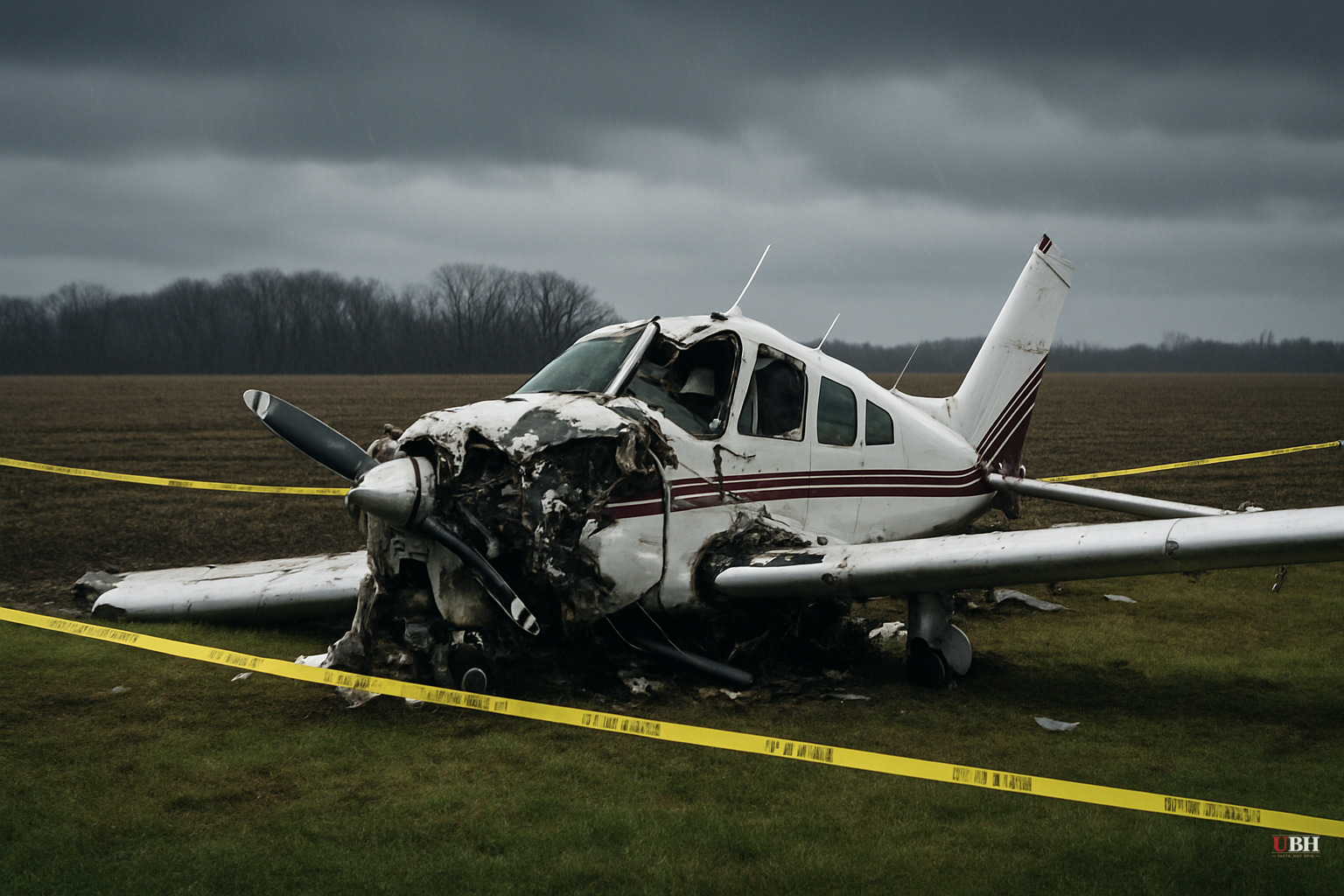
Father and Son Killed After Plane Enters 'Descending Spiral' Over Illinois
Jimmy Don Lewis, 48, and his 22-year-old son, Brayden Ty Lewis, died last Thursday night when the Beechcraft Baron 55 Jimmy was piloting crashed in rural Monroe County, Illinois, according to the Monroe County Sheriff's Department. The two were flying home to Arkansas after attending a St. Louis Cardinals game.
According to the sheriff's department, preliminary flight data shows the aircraft "appeared to begin a turn, possibly in an attempt to avoid the storm, before entering what appeared to be a descending spiral." The plane lost contact around 10:48 p.m., and investigators believe it went down roughly 11 p.m. Flight tracking placed the last known position near Waterloo, Illinois.
Kelsey Lewis, Jimmy's daughter, told the Daily Mail — as reported by the New York Post — that a glitch in the plane's onboard weather-tracking system may explain why her father flew into the storm at all. She said the software was running roughly 30 minutes behind real-time conditions, which she believes led Jimmy and Brayden to think they could "hit the gap" between the storm's eye and a safe landing.
It is Kelsey Lewis's account, relayed through a family member's grief and secondhand reporting, not a finding from the National Transportation Safety Board or any other investigative body. No agency has confirmed a software malfunction caused the crash. The Monroe County Sheriff's Department has said only that the crash remains under investigation.
Kelsey Lewis insists her father was not a risk-taker in the cockpit. "My dad, when it came to flying, he was very, very cautious of everything," she said. "Very cautious." If a pilot with that reputation flew into a known storm system, a faulty or delayed weather feed is exactly the kind of explanation that would fit the facts. It's the kind of allegation the NTSB's eventual report, if one is issued, would need to either confirm or rule out.
The family's account of the night adds detail the sheriff's department has not addressed publicly. The Lewis family had flown into Illinois earlier that Thursday so Kelsey and her fiancé could pick up a new car. Jimmy and Brayden stayed on for the Cardinals game before departing from St. Louis Regional Airport that evening, flying directly into worsening weather. The flight lasted only 22 minutes before contact was lost, Kelsey said.
Kelsey described an unexplained unease that night, saying she checked her father's flight status repeatedly as storms moved through the region, something she said she doesn't normally do. When the plane failed to land in Arkansas, family members began calling around to figure out where it had gone. Flight tracking data pointing to Waterloo led them to contact the Monroe County Sheriff's Department directly.
The sheriff's department then asked Kelsey, her mother Jill, and Brayden's girlfriend Payton to come to the station. "Down, down deep in my mom and I's heart, when they asked us to come to the police station, we figured something wasn't okay," Kelsey said. After a wait of several hours, the sheriff informed the family around 10:30 a.m. that Jimmy and Brayden's bodies had been recovered earlier that morning.
No timeline has been released for when investigators expect to determine an official cause. Crash investigations involving weather-related loss of control typically take months, and any conclusion about equipment malfunction versus pilot decision-making will likely hinge on data recovered from the aircraft itself, not family recollection alone.
For now, the working account of what happened comes almost entirely from one grieving family member speaking to a British tabloid, relayed by American outlets. The sheriff's department has confirmed the flight path anomaly and the descending spiral but has not corroborated the specific claim about a 30-minute lag in weather data. Whether that detail holds up once investigators pull avionics and maintenance records is the open question that will determine whether this was an equipment failure, a judgment call in worsening weather, or both.
Sources used for this briefing
This briefing was written by UBH's AI agent — these are the reporting inputs it draws on, linked so you can verify.


