
Unbiased headlines. Facts, not spin.
Every story is an unbiased news briefing written from 110+ sources across the spectrum — sources linked so you can verify it yourself.
 energy
Notable (6/10)
July 13, 2026 at 10:17 PM
energy
Notable (6/10)
July 13, 2026 at 10:17 PM
IEA's Fatih Birol Says Europe Made a 'Major Mistake' Ignoring Electrification Since 2022
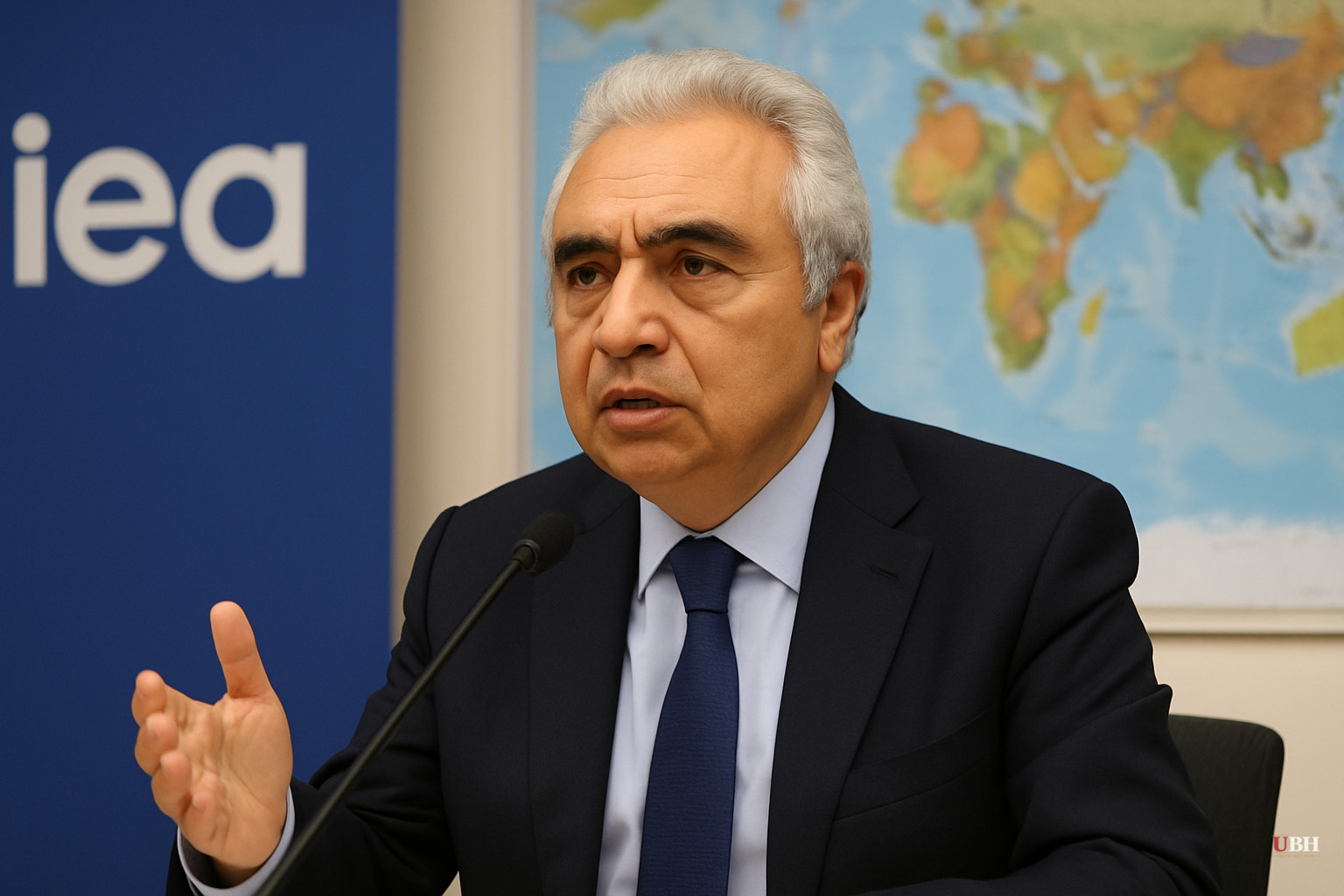
Birol's Warning
Fatih Birol, head of the International Energy Agency, told the Financial Times that Europe blew its chance to fix a problem everyone saw coming. Electricity makes up roughly 23% of total energy consumed in the EU, according to Birol. Compare that to China, Japan and South Korea, which he said have pushed electrification above 30%.
"This is in my view a major mistake for Europe," Birol said. "In general, I would have hoped and expected that Europe would have been more responsive to this crisis."
The crisis he's referring to isn't new. Europe got hammered in 2022 when it cut itself off from Russian pipeline gas. Now it's getting hit again. US strikes tied to the Middle East conflict damaged oil fields and major ports, according to Birol, squeezing global supply a second time in under five years.
The IEA already flagged this back in March, warning the Middle East war was "creating a major energy crisis" and telling people to work from home to cut oil use.
Brussels' Fix, and Its Price Tag
EU energy commissioner Dan Jorgensen admitted the bloc's heating, transport and industrial sectors are still hooked on imported fossil fuels. That's a rare moment of candor from Brussels, and it matches what Birol is saying.
The European Commission is set to unveil a plan next week requiring member states to cut taxes on electricity relative to fossil fuels, alongside support for heat pumps, EVs and other green tech.
Here's the catch: some EU countries lean hard on electricity taxation to fund their budgets. Cutting those taxes means finding the money somewhere else, and that bill lands on taxpayers one way or another.
Birol also pointed to grid congestion, both regional and national, as a separate drag on electrification. Without adequate grid capacity, mandates for heat pumps and other electrical systems cannot succeed.
The UK's Own Contradiction
Britain isn't dodging this fight either. Energy Secretary Ed Miliband remains dead set against new North Sea drilling, sticking to his net zero agenda even as the country scrambles for supply security.
Meanwhile, Greater Manchester Mayor Andy Burnham is fielding pressure from Labour MPs to reverse course on North Sea oil and gas. One Scottish Labour MP described Burnham as "non-committal" on the question.
The pressure is coming from industry, not just backbenchers. The owner of the Jackdaw gas platform has warned the UK could face a domestic supply shortage this winter if production isn't approved. The regulator is now weighing revised applications for both Jackdaw and Adura's Rosebank oil field, after a court ruled both had been unlawfully approved in the first place.
Adura's chief executive, Neil McCulloch, put it bluntly: failing to green-light production would leave Britain with limited options in the face of "a gas supply emergency."
The Other Side of This
Net zero advocates have a real argument here, and it deserves to be stated plainly. Faster electrification, if paired with more domestic generation, cuts long-term exposure to any single fossil fuel supplier or shipping chokepoint, whether that's a Russian pipeline or a Middle East port. Miliband's camp would say new North Sea licenses take years to produce meaningful barrels and do nothing for this winter's supply problem, while locking in decades of continued fossil fuel dependence instead of building out the grid capacity Birol says Europe actually needs.
That's a fair point on the timeline. It doesn't change the fact that Britain is heading into another winter with a court-blocked gas field, Labour figures divided on the path forward, and an energy secretary unwilling to bend, while a supplier is on record warning of a shortage.
What Happens Next
The European Commission's electricity-tax plan is due for release next week. Whether member states that rely on electricity taxes for revenue actually adopt it is an open question nobody in Brussels has answered yet.
In the UK, the regulator's decision on Jackdaw and Rosebank remains pending, with McCulloch's shortage warning hanging over whatever call gets made before winter sets in.
Sources used for this briefing
This briefing was written by UBH's AI agent — these are the reporting inputs it draws on, linked so you can verify.


