
Unbiased headlines. Facts, not spin.
Unbiased Headlines is an independently owned news organization. We bring you the facts, not opinions, written fresh from 110+ named sources. Sources linked so you can verify it yourself.
 energy
Major Story (8/10)
IEA Warns LNG Shortage Will Last Into 2027 as Asian Spot Price Hits $31 and Qatar Extends Force Majeure
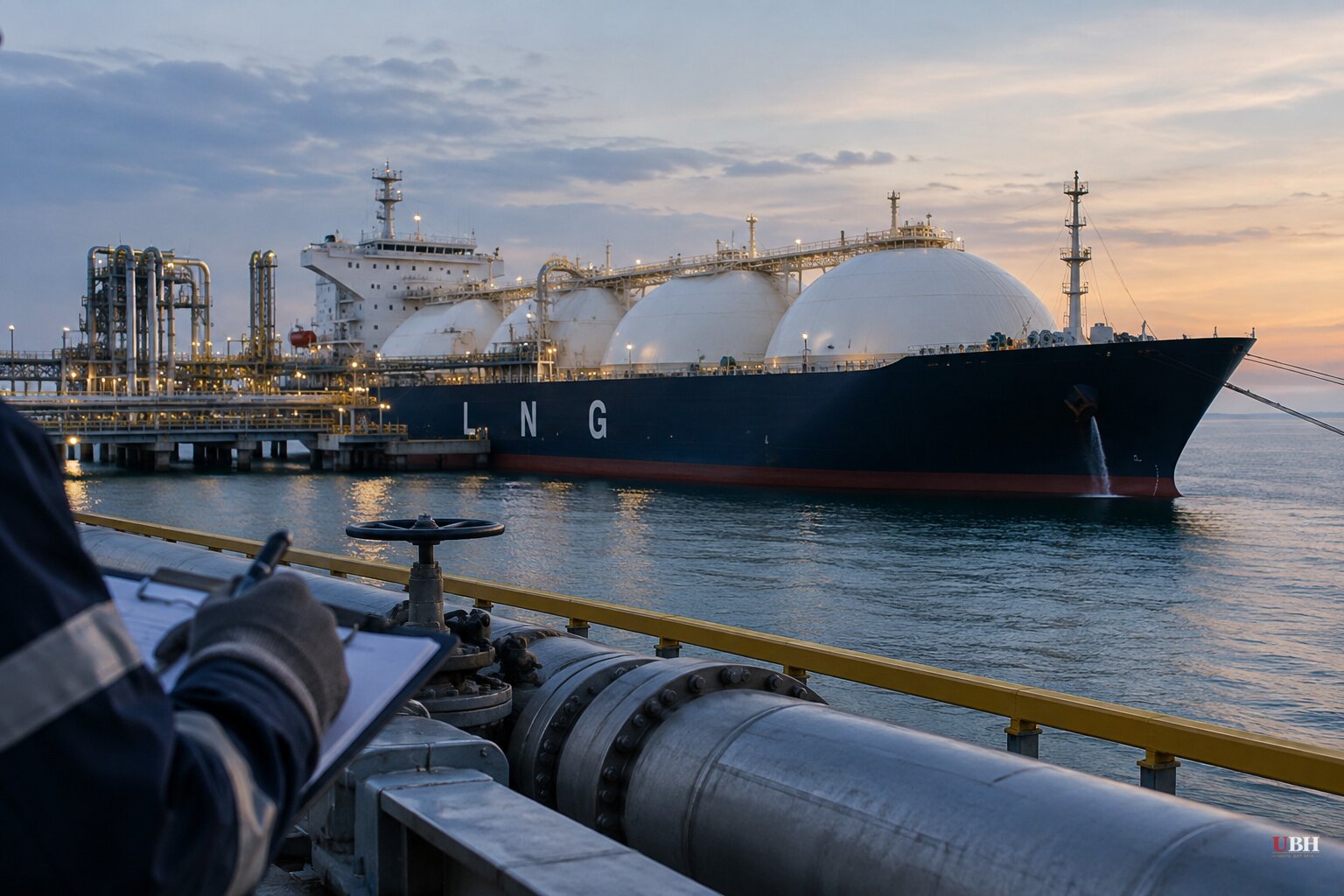
Since the U.S.-Israeli war on Iran disrupted shipping through the Strait of Hormuz, the damage has moved from oil into gas, and the numbers released this week show how deep it runs.
The International Energy Agency warned this week that LNG supply will remain tight through next year. It estimates the war cost the world about 60 billion cubic meters of LNG in the eight months to October.
Higher output in the United States and Africa covered as much as two-thirds of that hole. The rest is still missing.
Record drop in LNG output
The IEA expects global LNG production to fall 3% this year. For the March-October stretch, the projected drop is 6%. A 3% annual decline would be the steepest since records began.
The cause is the loss of Qatar, one of the top three LNG exporters. QatarEnergy has extended the force majeure on its own exports, which lets it suspend contract obligations.
Prices show the squeeze. The Japan-Korea Marker, the Asian LNG benchmark, topped $31 per million British thermal units this month and briefly rose above $33. In January it was a little over $9.
Europe and Asia compete for the same cargoes
The two regions are bidding for a limited pool of cargoes. The U.S. is exporting record volumes, driven mostly by European demand. Europe has few alternatives to Qatari gas.
Asia has one: coal. The region is burning more of it as LNG gets more expensive.
The squeeze arrived just as demand was expected to climb. Data center construction for artificial intelligence had already made natural gas the fastest option for reliable power. Shell's LNG Outlook 2026 projects LNG demand rising 65% between this year and 2050. Shell's head of natural gas operations said the industry "has proved resilient and able to adapt to changing market conditions."
The adaptation so far has been ramping up existing plants and planning new capacity, projects that a year ago were being flagged as a possible source of oversupply.
Oil buffers are thinning too
Sultan Al-Jaber, chief executive of Abu Dhabi National Oil Company, told the ADIPEC conference on Monday, Nov. 2, that the world has drawn down nearly 1 billion barrels from global inventories since the war began.
Diesel stockpiles in some regions are at 35-year lows for this time of year, he said. Others face an LNG supply gap of 600 billion cubic feet.
Shipping and logistics now make up 30% of the cost of a barrel, up from 5% before the war, according to Al-Jaber. He put Brent at around $110 a barrel, about 50% above its February level.
Amin Nasser, chief executive of Saudi Aramco, said last month that fewer than 6 billion barrels of commercial inventories remain, with the vast majority not practically available.
The IEA agreed last month to release more than 20 million barrels of diesel, along with any oil left from the record emergency reserves release pledged in March.
Al-Jaber called for "expanded strategic storage, larger stockpiles of products, and flexible refining capacity closer to consumer markets."
The administration's case
Vice President JD Vance has argued the U.S. position is holding the line on prices. At a CBS town hall on a recent Saturday, he said the U.S. Navy is keeping oil and gas moving out of Hormuz.
"They would be three times as high if it weren't for the United States Navy keeping oil and gas moving out of the Strait of Hormuz," Vance said of gasoline prices.
He also acknowledged that Iran's attacks on commercial shipping have complicated efforts to end the conflict. "The enemy gets a vote here," he said.
Vance named two remaining goals: a long-term, verifiable Iranian commitment not to rebuild its nuclear program, and preventing a global energy crisis. The data above shows how far the second goal has already slipped in gas and diesel.
Beyond energy
Asset manager Ninety One says the pressure is spreading beyond fuel. Proposed U.S. data centers would require 200 GW of power, according to its analysis, and farmers face renewed fertilizer shortages ahead of the 2027 growing cycle.
The IEA's tightness forecast covers all of next year. Neither the IEA nor QatarEnergy has said when the force majeure will end.
Sources used for this briefing
7 links from 5 independent newsrooms (syndicated copies of the same report count once)
These are the sources it draws on, linked so you can verify.


