
Unbiased headlines. Facts, not spin.
Unbiased Headlines is an independently owned news organization. We bring you the facts, not opinions, written fresh from 110+ named sources. Sources linked so you can verify it yourself.
 energy
Major Story (8/10)
Event date: October 21, 2026 ·
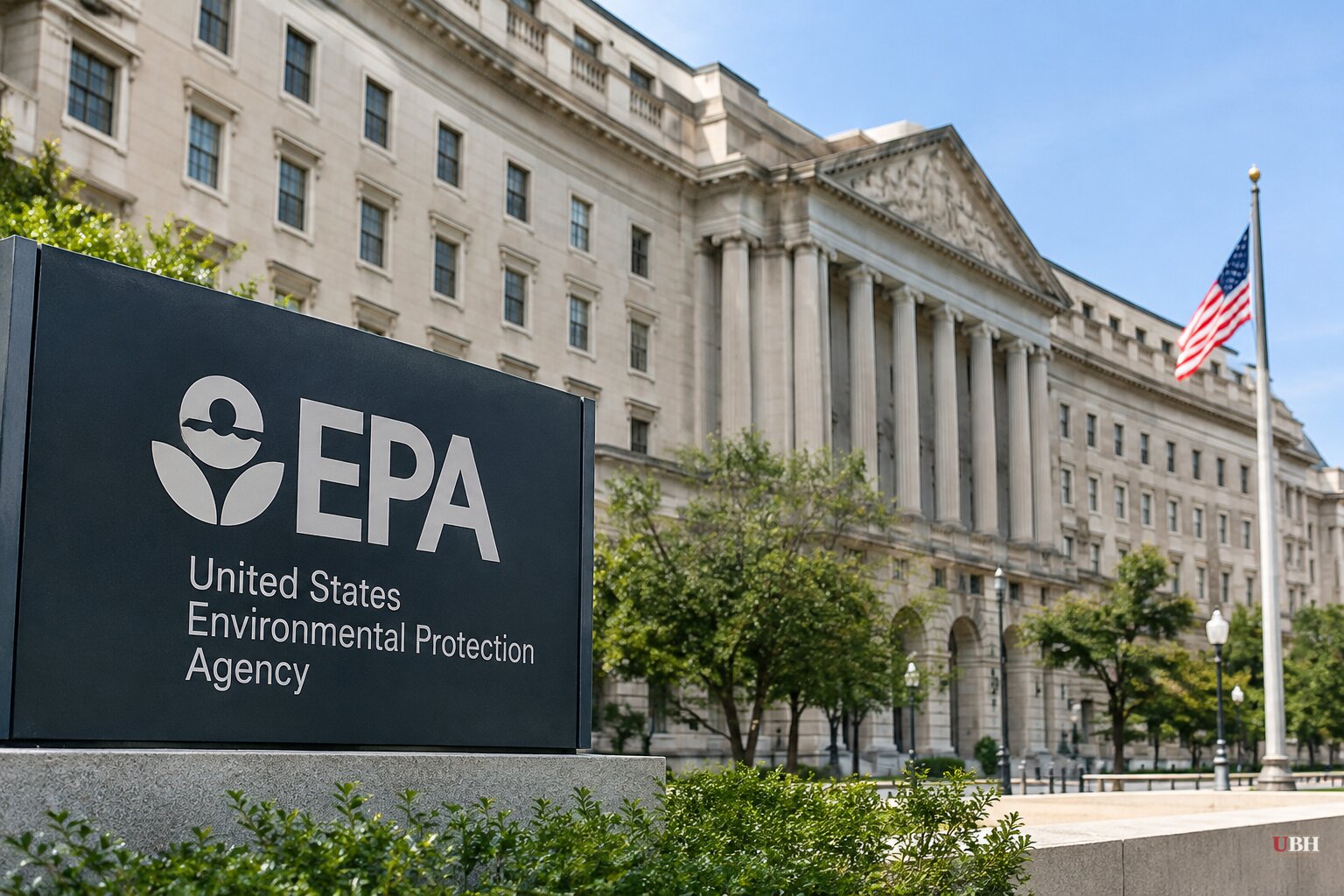
Trump EPA Proposes Rewrite of Biden Oil and Gas Rules as Democrats Take Congress With Diesel Above $6
Since Democrats captured the House and Senate in Tuesday's midterms, with high fuel prices at the center of the campaign, the question in Washington is what the new balance of power can actually do about energy costs. The Trump administration has already put one answer on the table.
The EPA's proposal
EPA Administrator Lee Zeldin said he and President Trump announced the proposal at an event in Lubbock, Texas. It would overhaul the 2024 Biden-era oil and natural gas rules.
Zeldin says the rewrite would save Americans $45 billion. He says it would also unlock an estimated 210 million barrels of oil and 1.41 trillion cubic feet of natural gas. He did not say over what period.
The Biden EPA's own estimate put the cost of its rule at $18 billion. Zeldin argues even that figure was too low and that the rule would have shut down existing wells and blocked new ones.
Three changes are at the core of the proposal, according to Zeldin:
- Separate standards for different kinds of well sites, so a family-owned low-producing well is not regulated like a major operation.
- An end to the "super emitter" program, which he calls unnecessary, ineffective and legally shaky.
- A return to a 95% efficient flaring or control standard for gas that comes up alongside oil, replacing a requirement that all of it reach a sales line. Zeldin says no such line exists in many producing areas.
Zeldin says about 783,000 U.S. oil and gas wells, roughly 79%, are small, low-producing wells, many on family land. He says the Biden rule would have forced mass closures.
He also argues the mission hasn't changed. "Protecting human health and the environment is EPA's core mission," he wrote, adding that the Clean Air Act requires standards sources can actually achieve.
The figures are proposal-stage estimates from the agency that wrote the proposal. It is not a final rule.
Prices the proposal has to answer to
AAA data put the national average at $4.33 for regular gasoline and $6.29 for diesel on Oct. 14. A year earlier, regular was $3.07 and diesel $3.65.
The Atlantic Council puts the gasoline average at $4.40 and calls diesel's level historic. Its analysts say some of the causes are long-standing policy choices, while others were compounded by the Trump administration's choices, particularly the war with Iran.
The Energy Information Administration found household spending on electricity and transportation fuels rose between 13% and 17% in the first seven months of 2026 compared with a year earlier. That covers Michigan, Georgia, Pennsylvania, Nevada, Arizona, North Carolina, Wisconsin and Ohio.
Pollster Robert Cahaly of the Trafalgar Group called fuel costs "the only real factor that's having an impact" on the midterms. A KFF/AP survey of more than 2,000 rural voters found 67% were very or somewhat concerned about paying for fuel and transportation. That was more than the share worried about health care, food, rent or utilities.
Who gets blamed
The administration points at Biden-era regulation. Others point at the war.
Gregory Alegi, a professor of U.S. history and politics at Luiss University, said Democrats' first Senate win in Texas in 30 years reflects frustration in an oil-producing state whose residents still pay high pump prices.
Conservative commentator John Nolte of Breitbart defended the decision to strike Iran. He argued Trump's mistake was negotiating instead of finishing the job and declaring victory months earlier. In his words, the war "broke that promise" to cut energy prices.
The closure of the Strait of Hormuz and damage to oil and gas infrastructure have constrained global supply, according to the Rinnovabili analysis. A domestic methane rule rewrite does not touch that.
What Congress can still do
The Atlantic Council says Congress has shown limited ability to influence the eight-month-old Iran conflict. The administration also keeps control of key agencies, and states control many fuel and data center policies. Federal debt limits new spending.
The most plausible area for action is permitting. The Bipartisan American Affordability and Jobs Act is advancing in the Senate. It includes a 150-day limit for most challenges to federal permitting decisions and firmer deadlines for federal environmental reviews. It also adds changes to Clean Water Act rules, federal tools to speed interstate transmission, and requirements that data centers pay their fair share of costs.
Harvard Business School's Institute for Business in Global Society says Democrats have signaled interest in defending remaining supports for storage, geothermal, hydrogen and nuclear power. They also want transmission expansion, easier permitting for zero-emissions energy, and closer scrutiny of data center demand.
Harvard assistant professor Christian Kaps said policy volatility has left "a lot of companies hesitant to make large capital investments."
What comes next
The EPA proposal still has to move through the rulemaking process before it could replace the 2024 rule. The permitting bill has to clear the Senate before the new Democratic majority arrives in January. Whether it gets a vote, and whether Democrats treat the EPA rewrite as a target once they hold subpoena power, remains open.
Sources used for this briefing
6 links from 6 independent newsrooms (syndicated copies of the same report count once)
These are the sources it draws on, linked so you can verify.


