
Unbiased headlines. Facts, not spin.
Unbiased Headlines is an independently owned news organization. We bring you the facts, not opinions, written fresh from 110+ named sources. Sources linked so you can verify it yourself.
 energy
Major Story (8/10)
energy
Major Story (8/10)
IEA Speeds Up Oil Stock Releases With 20 Million Barrels of Diesel, Fewer Than the 50 Million Floated Earlier
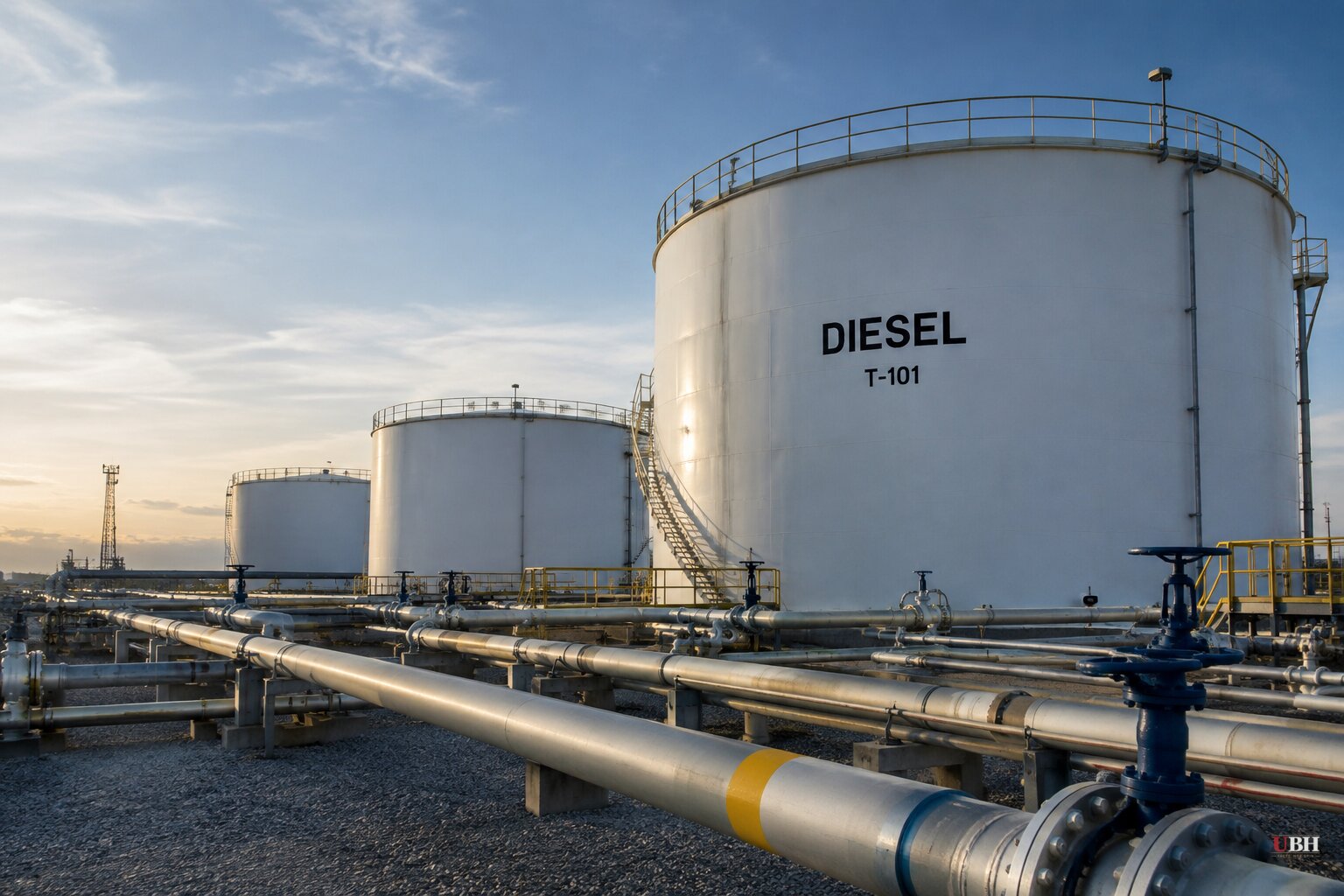
Since the G7 announced a reserve release on Oct. 2, diesel has stayed near record highs, and on Thursday, Oct. 15, the International Energy Agency's governing board responded. Members agreed to speed up the remaining releases from the emergency program launched in March, including more than 20 million barrels of diesel "as soon as possible."
The board said it "agreed to accelerate the release of the remaining volumes, with specific plans already in place." It also reaffirmed its commitment to the March 2026 collective action over the Strait of Hormuz crisis.
The numbers
IEA members pledged more than 400 million barrels of crude and oil products in March. About 330 million have been released so far, according to the agency. The United States accounts for more than 40 percent of that total, the Epoch Times reported from the agency's figures.
Roughly 100 million barrels remain. Members agreed to take "all necessary steps" to complete those releases "in a timely manner consistent with national circumstances."
Some members have already put out more than they pledged, and others plan to. The final total will exceed the original 400 million.
The diesel portion is small against the size of the problem. CNBC calculated that 20 million barrels equals less than one day of global diesel demand, or a little over five days of U.S. consumption. The IEA gave no timeline. If it matches the G7's 20-day window, that works out to roughly 1 million barrels a day for almost three weeks.
Smaller than what was discussed
According to a source familiar with the talks, 50 million barrels of diesel had been considered. Reuters reported earlier this month that EU governments were weighing a French proposal for 50 million barrels of diesel plus 50 million barrels of crude.
Markets noticed. Europe's benchmark gas oil contract ticked up to $1,430.75 per metric ton as of 1512 GMT after the statement, though it stayed lower on the day. "Gas oil prices ticking higher suggests some disappointment that we are not seeing any firm commitment to add additional barrels here and now," said Ole Hansen, an analyst at Saxo Bank.
Hansen also made the case for restraint: "Prices are high but we are not dealing with any shortages as such, so with that in mind it probably makes sense to keep the powder dry for now."
Washington wants more. Bloomberg News reported Thursday, citing people familiar with the matter, that the U.S. told fellow IEA members current release plans do not go far enough to bring down fuel prices.
President Donald Trump has pressed EU countries to draw down reserves or face a potential U.S. diesel export ban. French President Emmanuel Macron said on Oct. 2 that Trump agreed there would be no export bans among G7 countries, and that the talks were "constructive," not threatening.
Spain said Thursday it would release 4.4 million barrels from strategic reserves in October without specifying what it would release. Spain has so far released 3.7 million of the 11.5 million barrels it pledged in March.
Prices and the politics
U.S. retail diesel averaged $6.32 a gallon Thursday, more than 70% above a year ago, according to AAA. Diesel futures traded more than 1% lower at $4.86.
The midterm elections are Nov. 3. Trump struck a diesel deal with Russia last week. Analysts told CNBC it will do little to cut prices, while Trump has said the deal and U.S. efforts around the strait will bring energy and diesel prices down.
Stockpiles do not fix the underlying supply problem, said Andy Lipow, president of Lipow Oil Associates. The release does "not solve the basic problem which is how to increase production at refineries which are damaged in the Middle East or Russia, and operating at capacity in the USA."
The board appears to share that concern. It urged members with oil production and refining capacity to raise output of crude and refined products, with a focus on diesel, and stressed keeping energy trade flowing.
Supply still under attack
Ukraine has been striking Russian refineries, and Iran and its Houthi allies have attacked energy facilities around the Persian Gulf. A container ship and a dry bulk carrier were sunk near the Strait of Hormuz in the 24 hours before Wednesday, according to maritime officials.
Iran says it is stepping up strikes in response to the U.S. blockade of its ports and tougher sanctions imposed last month after peace talks stalled. The Houthis said Wednesday they would hit more Saudi oil facilities and airports. A Houthi attack on King Khalid International Airport in Riyadh on Saturday killed 13 people.
France's Foreign Ministry said Thursday it is putting into action operational elements of an agreement to help protect Saudi oil facilities. Spokesperson Pascal Confavreux did not say what was sent. Macron said last month that France would send troops and defense systems to protect the Red Sea port of Yanbu.
What comes next
The IEA statement says its Secretariat will track progress on the releases and report to G7 leaders and the governing board on whether further action is needed. Members said they are "prepared to take further action." Whether that means the additional barrels Washington wants, or the 50 million barrels of diesel once on the table, is not yet decided.
Sources used for this briefing
7 links from 7 independent newsrooms (syndicated copies of the same report count once)
These are the sources it draws on, linked so you can verify.


