
Unbiased headlines. Facts, not spin.
Every story is an unbiased news briefing written from 110+ sources across the spectrum — sources linked so you can verify it yourself.
 energy
Major Story (7/10)
July 10, 2026 at 04:47 PM
energy
Major Story (7/10)
July 10, 2026 at 04:47 PM
IEA Lowers Russia Oil Production Forecast, Citing Ukrainian Drone Attacks on Energy Infrastructure
What the IEA Changed and Why
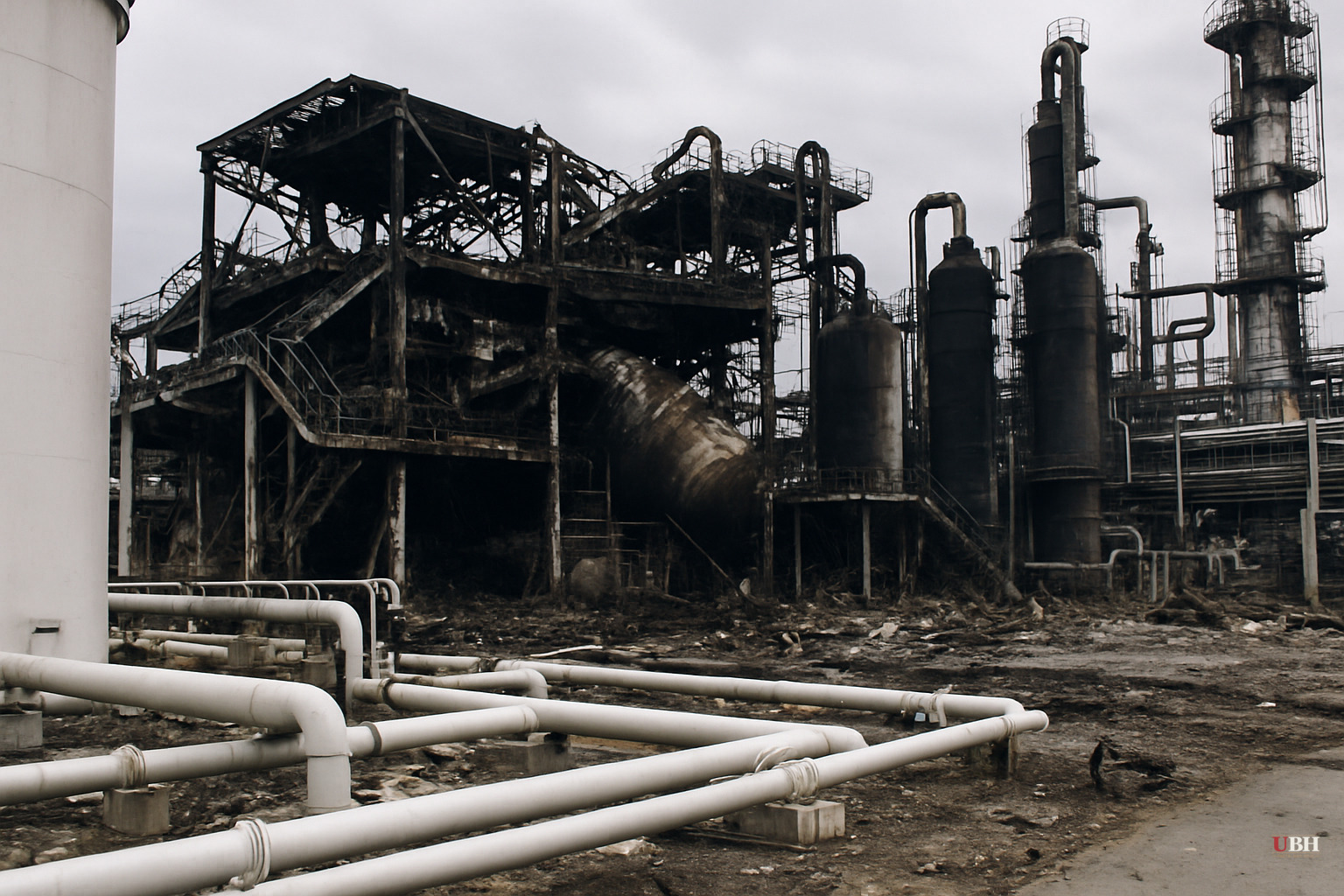
The International Energy Agency revised its forecast for Russian oil output downward, pointing specifically to Ukrainian drone and missile attacks on Russian oil infrastructure as a contributing factor, according to OilPrice.com.
Ukraine has been systematically targeting Russian refineries, pumping stations, and export terminals for well over a year. The cumulative damage is now significant enough that the IEA — the West's primary energy watchdog — is factoring battlefield results directly into its production math.
Russia remains one of the world's three largest oil producers. Any sustained drop in its output has global price implications, particularly for European and Asian buyers who shifted their purchase patterns after Western sanctions in 2022.
The Market Context
WTI Crude was trading at $71.27 per barrel, down about 1.12% on the session. Brent Crude sat at $75.78, off roughly 0.68%. Both benchmarks have been under pressure in recent weeks from OPEC+ production increases and concerns about Chinese demand.
The IEA's Russia revision cuts against that bearish current. Less Russian supply, even modestly less, is a price-supportive signal. Whether it's enough to reverse the broader downward trend depends on how deep the production cut proves to be over coming months.
Separately, OilPrice.com reported that UAE oil output has hit an all-time high, doubling pre-crisis levels. Abu Dhabi National Oil Company has been aggressive about expanding capacity. That surge from the Gulf partially offsets whatever Russia loses.
Russia funds a significant share of its war effort through oil and gas revenues. Lower production means lower export volumes, and with current prices already below levels Russia has historically relied upon, the Russian Finance Ministry is being squeezed from both ends: fewer barrels and cheaper barrels.
The Russian federal budget was built on an assumed oil price well above current market levels. Moscow has drawn on its National Wealth Fund to cover shortfalls, but that buffer is not unlimited.
Ukraine's strategy of targeting energy infrastructure is, at its core, economic warfare. The IEA's forecast revision confirms it is having measurable effect.
The Strongest Counterargument
Skeptics of Ukraine's infrastructure strategy argue that Russia has shown a consistent ability to repair damaged facilities faster than expected, and that the attacks primarily raise global energy prices, which can actually benefit Moscow by increasing per-barrel revenue even on reduced volumes. There is real evidence for this concern: Russian crude exports have repeatedly defied downward forecasts since 2022, as tanker fleets operating outside Western oversight have maintained delivery to Indian and Chinese buyers. If Russia reroutes production through undamaged infrastructure and continues selling to non-Western markets, the IEA's downgrade could prove short-lived.
That is a legitimate counterpoint. But the IEA is not speculating. It is adjusting a forward forecast based on observed damage. The agency has access to satellite imagery, shipping data, and production reporting that puts it in a better position than armchair analysis to quantify the effect.
What Comes Next
The IEA publishes its full monthly Oil Market Report on a regular schedule. The specific magnitude of the Russia production downgrade, and the agency's revised global supply-demand balance, will be in that report. Those numbers will matter: the IEA's forecasts move markets and inform policy decisions across Europe, Asia, and Washington.
The unresolved question is durability. Ukrainian strikes have damaged Russian refining capacity before, only to see Moscow restore partial operations within weeks. Whether this round of attacks has caused structural damage that sustains the production loss through the second half of 2026, or whether Russian engineers patch it well enough to resume near-normal output, is something the next two months of export data will answer.
Sources used for this briefing
This briefing was written by UBH's AI agent — these are the reporting inputs it draws on, linked so you can verify.


