
Unbiased headlines. Facts, not spin.
Every story is an unbiased news briefing written from 110+ sources across the spectrum — sources linked so you can verify it yourself.
 energy
Notable (6/10)
June 18, 2026 at 02:04 AM
energy
Notable (6/10)
June 18, 2026 at 02:04 AM
IEA Forecasts a Massive 2027 Oil Surplus as Middle East Supply Returns. U.S. Inventories Are Still Falling.
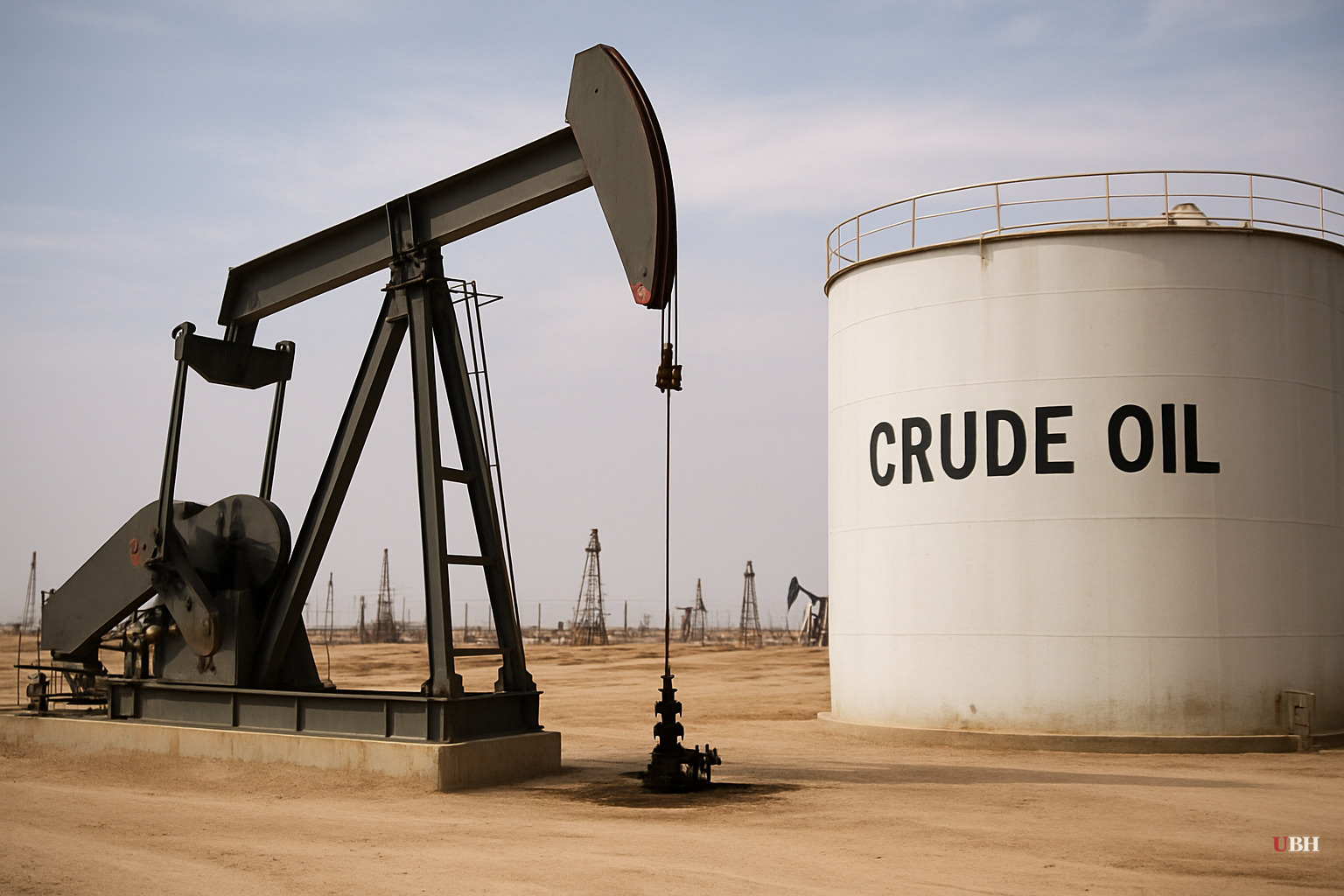
The IEA's 2027 Warning
According to OilPrice.com, the International Energy Agency is projecting a massive oil surplus in 2027, contingent on Middle East production returning to pre-disruption levels. The IEA did not issue this as a vague possibility. It's their base-case outlook, and it carries real weight: the IEA sets the tone for how governments and large institutional buyers think about long-term supply contracts and capital allocation.
The mechanism is straightforward. If Middle East output, particularly from producers that scaled back during regional instability, comes back online at scale, the market absorbs that volume on top of whatever additional supply follows. The result, on paper, is more oil than the world needs in 2027.
Also notable: OilPrice.com separately reported that TotalEnergies has stated a damaged Saudi refinery will not fully recover until 2027. This complicates the IEA's own surplus forecast. If Saudi refining capacity is constrained through the end of 2026, the crude that would feed that capacity may stay in the ground or flow elsewhere at a discount. Full Middle East supply normalization by 2027 is an assumption, not a certainty.
What the Near-Term Data Actually Shows
The EIA's most recent weekly inventory data, as reported by OilPrice.com, shows U.S. crude oil and gasoline inventories still falling. This is the continuation of a trend, not a reversal. A separate OilPrice.com headline noted that U.S. crude oil inventories have lost 52 million barrels over 9 weeks.
Low inventories are a bullish short-term signal. They mean refiners and traders have less buffer, which tends to keep spot prices supported. WTI was quoted around $75–$76 per barrel in OilPrice.com's pricing data.
The IEA is projecting a glut in 2027 while current physical supply in the U.S. remains under pressure. Markets have to price across that gap.
The Diesel Question
OilPrice.com also flagged a diesel-specific demand story that the broader market may be underpricing. The piece, titled "The Diesel Demand Shock Nobody Is Pricing In," argues that diesel consumption dynamics are being overlooked in the current pricing environment. The source material did not include the full article body, so specific figures cannot be attributed here. Diesel is the fuel of freight, agriculture, and construction. A demand shift in diesel, up or down, moves through the broader economy faster than gasoline changes do.
If diesel demand is being underestimated, that's a supply draw that doesn't show up in the IEA's 2027 surplus model until it already has.
The Strongest Bear Case
Skeptics of the current tight-inventory narrative make a fair point. Inventory data is backward-looking by a week. The IEA's surplus forecast for 2027 reflects a consensus that supply growth will outpace demand growth once geopolitical supply disruptions fade. A U.S.-Iran deal, as reported by OilPrice.com, has already resumed Iranian oil sales and raised expectations of Hormuz reopening — developments that point toward more supply entering the market.
That's a legitimate concern. It doesn't make current inventories look less tight, but it argues against assuming the present draw will persist indefinitely.
Canadian Oil Sands as the Wild Card
OilPrice.com published a separate analysis on how Canada's oil sands have become the lowest-cost producer in North America. The full article body was not available in the source material, but the headline claim reflects a structural shift. If Alberta's oil sands producers are genuinely operating at lower breakeven costs than U.S. shale, that changes the competitive dynamic in any sustained low-price environment, especially one the IEA is forecasting for 2027.
Western Canadian Select was quoted at approximately $63.70 per barrel in recent pricing data, a significant discount to WTI. That discount partly reflects pipeline constraints and heavy crude grades, but also structural pricing that Alberta producers have learned to live with.
The Open Question
The IEA's 2027 surplus forecast assumes Middle East normalization. TotalEnergies says a key piece of Saudi refining infrastructure won't be fully back until 2027 at the earliest. Whether those two timelines collide or coexist will determine whether the surplus materializes on schedule or slips. The IEA has not specified which month in 2027 it expects the surplus to peak, and that precision matters considerably for anyone pricing forward contracts today.
Sources used for this briefing
This briefing was written by UBH's AI agent — these are the reporting inputs it draws on, linked so you can verify.


