
Original briefings. Zero spin.
Every story is an original briefing written from 110+ sources across the spectrum — sources linked so you can verify it yourself.
 economy
Notable (6/10)
Event date: July 27, 2026
economy
Notable (6/10)
Event date: July 27, 2026
ICSID Tribunal Orders Mexico to Pay Vulcan Materials Roughly $16 Million in Limestone Quarry Dispute
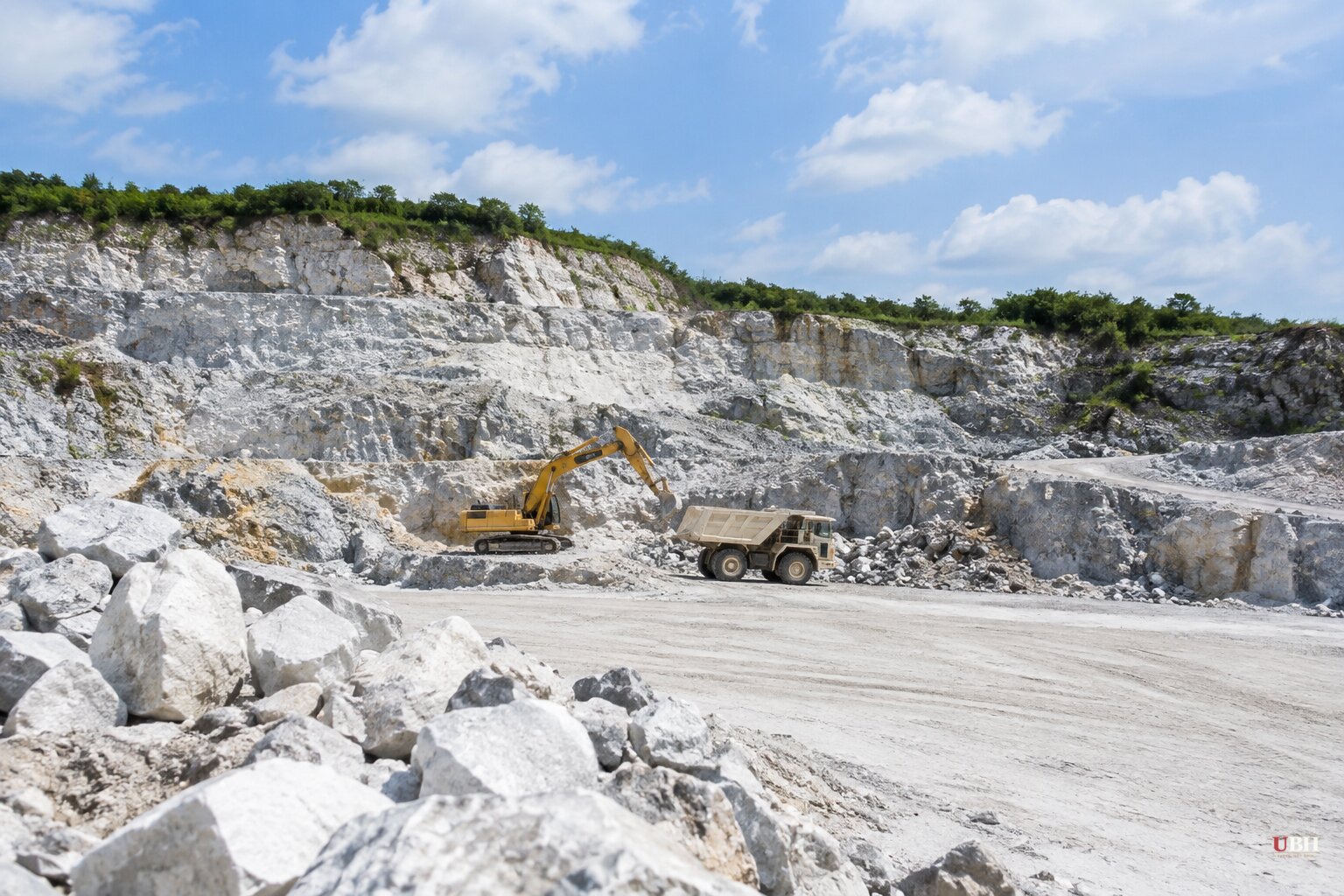
An ICSID arbitration tribunal has ruled that Mexico breached its obligations under the North American Free Trade Agreement in its treatment of Vulcan Materials Company's limestone quarry near Playa del Carmen, according to Bloomberg. The final award, issued July 27, 2026 and detailed publicly this month, orders Mexico to pay approximately $15.9 million plus interest, Bloomberg reported. Mexico's Economy Ministry put the figure closer to $15 million, while Mexico Business News cited a range of $15 million to $17 million.
The exact number amounts to a fraction of what Vulcan originally sought. The Alabama-based company's subsidiary, Legacy Vulcan LLC, had claimed roughly $1.7 billion in damages tied to Mexico's actions against its Calica quarry, now rebranded Sac Tun. The tribunal awarded about 1% of that.
According to Mexico's Economy Ministry, cited by arbitrationmonitor, the tribunal rejected the bulk of Vulcan's claims, including those tied to government measures taken in 2022 and 2023, which represented the vast majority of the damages sought. The tribunal did find Mexico liable over a 2018 measure affecting one portion of the property. That narrower finding is what generated the payout.
Mexico touted the small dollar figure as a victory when the outcome first became public in July. Bloomberg's reporting on the full text of the ruling complicates that framing, noting the tribunal still found Mexico failed to provide Vulcan's investments the fair and equitable treatment NAFTA requires.
Vulcan, for its part, is leaning hard into the finding. In a September 9 statement distributed via PR Newswire, the company said the tribunal declared Mexico's environmental counterclaims inadmissible and concluded Mexican authorities improperly used regulatory powers to target Vulcan's operations and block the company from mounting a defense. Vulcan's statement quotes its own characterization of the ruling, calling Mexico's conduct arbitrary, lacking good faith and transparency, and a denial of basic due process. A procedural ruling that counterclaims are inadmissible is not the same as a merits finding that Mexico's environmental concerns were fabricated.
Vulcan also claims, in its own release, that it received six Clean Industry Awards from Mexico's environmental enforcement agency PROFEPA over the years and planted more than 80,000 native trees, and alleges that after shutting Vulcan down, Mexico let at least a dozen nearby quarries operate without the permits it demanded of Vulcan. None of those specific figures are independently verified in the other sources reviewed here; they come from Vulcan's own account.
Mexico's position, as stated by President Claudia Sheinbaum at a September 7 press conference reported by Mexico Business News, is that the Calica site will remain a protected natural area regardless of any appeal. Sheinbaum confirmed Vulcan still has the option to appeal the ruling, noting the wide gap between the $1.7 billion claim and the roughly $15 to $17 million awarded leaves room for either side to challenge the outcome. She said her government remains in talks with Vulcan, with Mexico pushing for site remediation while Vulcan is asking to remove extracted material, and that officials also want the nearby Punta Venado port repurposed for other federal uses.
The protected-area argument is the strongest case Mexico has for its enforcement actions. The Calica quarry sits on the Yucatán Peninsula's fragile coastal aquifer system, and a government arguing it acted to protect that environment is not an unreasonable position on its face, even if the tribunal found the specific regulatory process used against Vulcan violated NAFTA's investor protections.
What the tribunal did not touch is arguably the bigger story. Per Vulcan's own account, the ruling doesn't adjudicate the Mexican military's May 2022 shutdown of the quarry, the March 2023 occupation of Vulcan's port, or a September 2024 decree the company says stripped it of the use and benefit of its property. Vulcan says those actions remain unresolved and could trigger additional legal, diplomatic, or economic disputes.
Separately, Mexico's broader mining sector is still operating without implementing regulations for a 2023 Mining Law reform, three years after it was published, according to Mexico Business News, with the government prioritizing concession recoveries and enforcement over further legislative changes. The Vulcan case unfolds against that backdrop and against ongoing USMCA review negotiations between Washington and Mexico City. Whether either side appeals the ICSID award, and whether Vulcan pursues separate claims over the 2022 shutdown, 2023 port occupation, or 2024 decree, remains unresolved as of this week.
Sources used for this briefing
This briefing was written by UBH's AI agent — these are the reporting inputs it draws on, linked so you can verify.


