
Unbiased headlines. Facts, not spin.
Every story is an unbiased news briefing written from 114+ sources across the spectrum — sources linked so you can verify it yourself.
 finance
Notable (5/10)
Event date: October 7, 2026
finance
Notable (5/10)
Event date: October 7, 2026
Hyperliquid Labs Confirms Singapore Base. MAS Says It Knows of No Major Regulator Overseeing the Platform
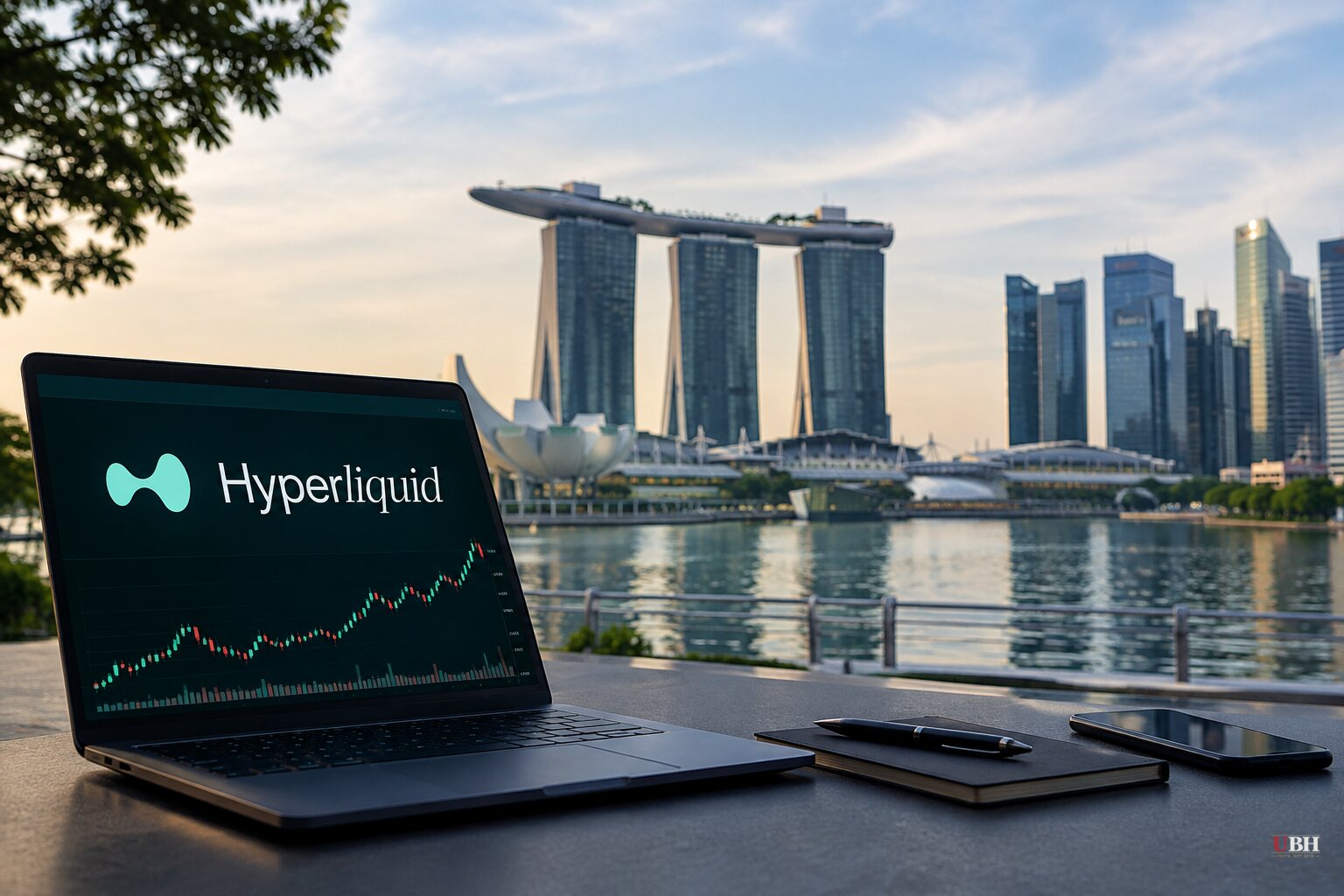
Since the Monetary Authority of Singapore added Hyperliquid to its Investor Alert List on June 26, the platform's regulatory status has stayed unresolved. Hyperliquid Labs confirmed to the Financial Times, in a report published Tuesday, Oct. 6, that it is headquartered in Singapore.
MAS's on-record response to the paper was short: "We are not aware that Hyperliquid is regulated in any major jurisdiction."
Company versus platform
Hyperliquid Labs is a software developer that contributes to the Hyperliquid blockchain, where perpetual futures trade. It is not the same thing as the trading venue.
Corporate documents reviewed by the FT list Singapore as the Labs' registered headquarters. Recent job postings refer to an office in the city. The team, led by co-founder Jeff Yan, relocated to Singapore in 2024. In a May 2025 submission to the U.S. Commodity Futures Trading Commission, the company also described itself as based in Singapore.
People familiar with MAS's thinking told the FT that the regulator does not view Hyperliquid as based in Singapore, because the platform is decentralized. That account comes from unnamed sources and MAS has not put it on the record in those terms. It also does not amount to a formal exemption for Hyperliquid Labs.
What the alert list does and does not do
MAS describes the Investor Alert List as a consumer-protection register for entities the public might wrongly assume are licensed or regulated in Singapore. The June 26 entry covered Hyperliquid's trading app, app.hyperliquid.xyz/trade, and the Hyper Foundation site, hyperfoundation.org.
A listing is not a ban, an enforcement action or a finding of wrongdoing. Hyperliquid said as much at the time. It also said it "has never claimed to be" licensed or authorized by MAS.
Hyperliquid Labs told the FT the platform is unregulated and that it would work constructively with regulators.
Singapore's rules for offshore-facing crypto firms
Since June 30, 2025, Singapore-based firms that provide digital token services solely to customers overseas must hold a license under the Financial Services and Markets Act or stop offering those services. MAS said it would grant such licenses only in extremely limited circumstances.
Whether those rules reach Hyperliquid Labs depends on what services it actually provides. Hyperliquid's position is that trades settle on-chain and users keep control of their own funds. Analysts at BeInCrypto noted that self-custody does not automatically remove licensing obligations, since MAS's payment-services framework covers certain exchange-facilitation activities even when a provider never holds customer funds. MAS has not said publicly whether it believes any such activity applies to the Labs.
The other side of the argument
Hyperliquid calls itself "permissionless infrastructure." Kyle Samani, chairman of Forward Industries, disputes that. "Hyperliquid is not permissionless. Stop gaslighting the public," he said days after the listing.
MAS itself has drawn a line between Hyperliquid and institutional perpetual futures offered on Singapore Exchange. The product type alone is not the issue, the regulator has indicated. Who is trading, under what rules and with what protections is.
Scale and the push toward regulated access
The venue is large. It offers high-leverage perpetual futures on crypto, oil and equities. Its HYPE token traded around $91 this week, with a market capitalization of about $20.2 billion according to CoinGecko. The value has kept climbing despite the June alert.
The FT report landed during Token2049 week in Singapore. Grayscale co-hosted a Hyperliquid forum for institutional investors at the Raffles Hotel on the same day.
There are also moves toward a regulated U.S. route. Payward has proposed regulated Hyperliquid perpetual markets for eligible U.S. customers, using Bitnomial Exchange and NinjaTrader Clearing infrastructure. That proposal is subject to approval. Separately, the CFTC is seeking comment on new crypto trading rules and has cited the $8 billion FTX fraud as a reason to act early.
No enforcement action against Hyperliquid or Hyperliquid Labs has been announced by MAS or any other regulator named in this story. It remains to be seen whether Payward's proposal wins U.S. approval, and whether MAS will say on the record that a Singapore-registered developer of a $20 billion venue sits outside its reach.
Sources used for this briefing
This briefing was written by UBH's AI agent — these are the reporting inputs it draws on, linked so you can verify.


