
Unbiased headlines. Facts, not spin.
Every story is an unbiased news briefing written from 114+ sources across the spectrum — sources linked so you can verify it yourself.
 finance
Major Story (8/10)
Event date: October 8, 2026
finance
Major Story (8/10)
Event date: October 8, 2026
Fed Officials Signal October Pause and a December Hike Ahead of Wednesday's CPI Report
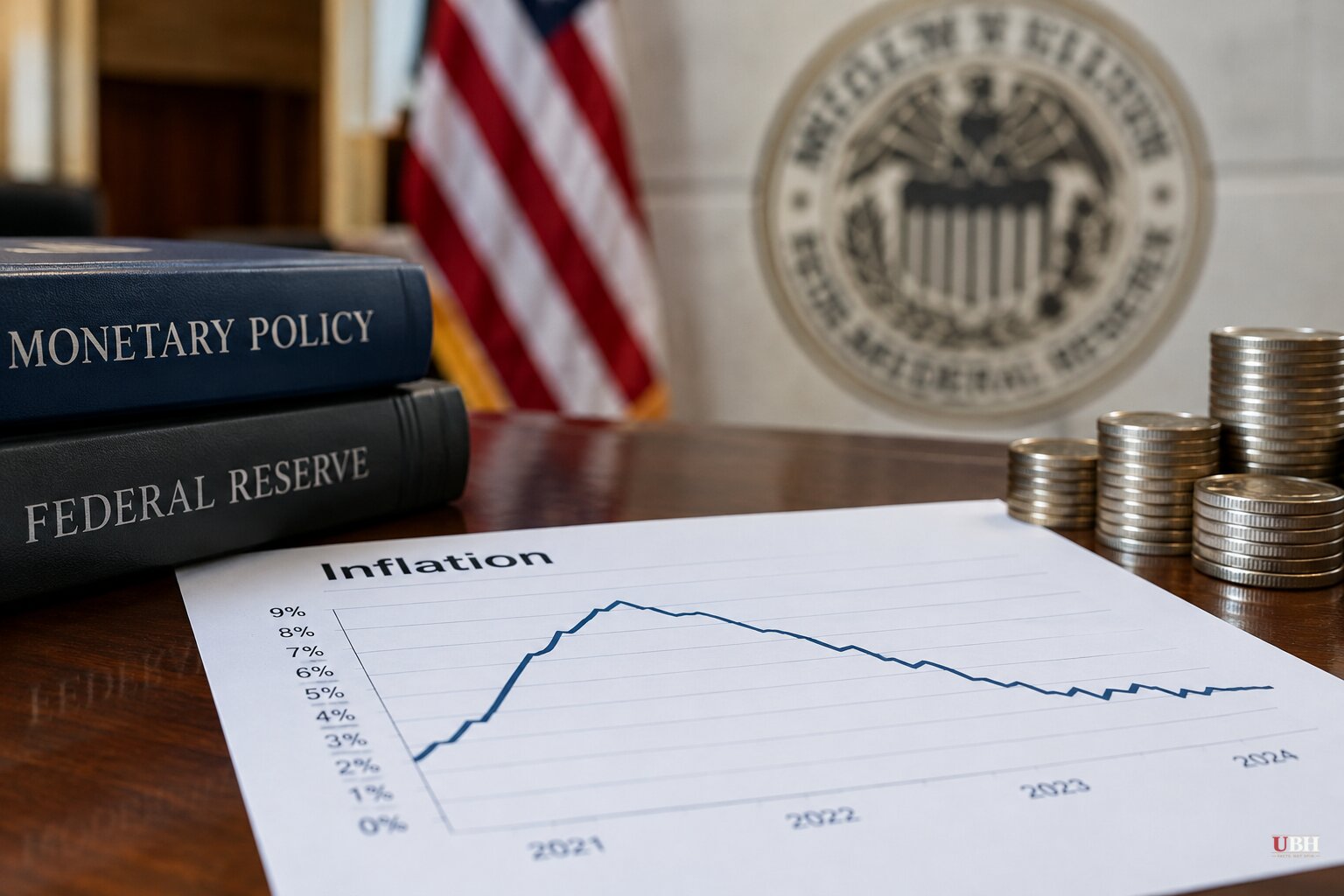
The Federal Reserve is leaning toward standing still later this month and raising rates again in December. Wednesday's inflation report is the main thing that could change that.
The Labor Department releases September CPI on Oct. 14. The Fed meets Oct. 27-28, then again Dec. 8-9. The policy rate sits at 3.75% to 4% after a quarter-point hike in September.
What Fed officials are saying
Waller spoke Thursday, Oct. 8, at a Central Bank of Turkey forum in Istanbul. "If the economic data continue to come in as expected, I anticipate additional hikes to support a timelier return of inflation to our 2% goal," he said.
He added: "But there is some flexibility about when those hikes will occur. The hikes do not need to come at consecutive meetings, but they should be in place in an acceptable period of time."
Waller said inflation is running more than a percentage point above the 2% target. He cited a strengthening economy, an unresolved energy price shock from the Iran war, and new concerns that the artificial intelligence buildout is adding to inflation through demand for key goods and services.
He is not greatly worried about a slowdown. "I am concerned that the recent acceleration in inflation… will lead consumers, investors, and price-setting businesses to revise up their expectations for future inflation," he said.
Jefferson and Williams said the week before that they would rather see more data before acting again. Traders cut their bets on an October hike. Markets now price a hold in October and a hike in December.
Chair Kevin Warsh has said nothing about where he sees risks or where rates should go. He has said he wants to avoid giving too much guidance on coming decisions.
Chicago Fed President Austan Goolsbee told Fox Business that "there is plenty of room for anything to be on the table." He also said the problem is on the inflation side: "We can't let that get even more out of control."
The data behind the pause
Employers added 29,000 jobs in September, well short of the 90,000 economists expected. August payrolls were revised down. Unemployment rose to 4.2% from 4.1%, but that came from more people entering the workforce, and wage growth slowed.
JPMorgan chief U.S. economist Michael Feroli wrote that the slowdown should reassure policymakers the economy is not overheating in a way that calls for a hurried hiking cycle. "It would now take a very strong CPI to make the October meeting live," he wrote. JPMorgan still expects a December hike.
The inflation indicators have not eased. The ISM services prices index rose to 74.0 from 72.6, the highest since July 2022. The University of Michigan's preliminary survey showed one-year inflation expectations at 4.7% and longer-run expectations at 3.5%. Consumer sentiment fell to 46.3 from 48.1.
Initial jobless claims came in at 197,000. Continuing claims rose by 17,000 to 1.716 million.
Borrowing costs are already elevated. The 10-year Treasury yield hit a 24-year high Thursday and was cited at 5.237%. The two-year yield was 4.797%. Mortgage rates have topped 7%.
One hike or several?
Not everyone thinks the Fed is on a longer path. Natixis economists Christopher Hodge and Selin Aker forecast a September CPI in line with expectations. They project core up about 0.19% on the month and headline up 0.6%, and they say August's hot reading came from one-time spikes in certain components.
They argue that rising energy and food prices have not spilled into core prices, and that inflation breadth keeps improving. Natixis judges the September hike "very likely" to be the only one of this cycle. It expects a hold in October to buy time before December and to avoid the politically sensitive stretch before the Nov. 3 midterm elections. That timing rationale is Natixis's own reading. No Fed official has offered it.
The Fed's own projections point the other way. According to FX Empire's account of Waller's remarks, 16 of 18 policymakers projected at least one more hike this year. Reuters reports that projections released in September show most central bankers expecting another quarter-point increase by year-end.
Axios reads the recent speeches as pointing to one more hike at the final meeting of the year and another early in 2027. That is a reading of the signals, not a Fed announcement.
A December move would lift the target range to 4.00%-4.25%.
What to watch
Waller did not say how high rates need to go. Warsh has given no guidance on the endpoint either.
The unanswered question is whether Natixis is right that energy-driven price spikes fade without feeding core inflation, or whether the Fed's projections hold. Wednesday's CPI is the first test, and the Fed's Oct. 28 decision follows.
Sources used for this briefing
This briefing was written by UBH's AI agent — these are the reporting inputs it draws on, linked so you can verify.


