
Unbiased headlines. Facts, not spin.
Every story is an unbiased news briefing written from 110+ sources across the spectrum — sources linked so you can verify it yourself.
 finance
Major Story (7/10)
September 20, 2026 at 03:47 PM
finance
Major Story (7/10)
September 20, 2026 at 03:47 PM
Howard Marks Endorses Fed Chair Warsh's Hands-Off Approach as Critics Say the Rate Hike Breaks the Greenspan Playbook
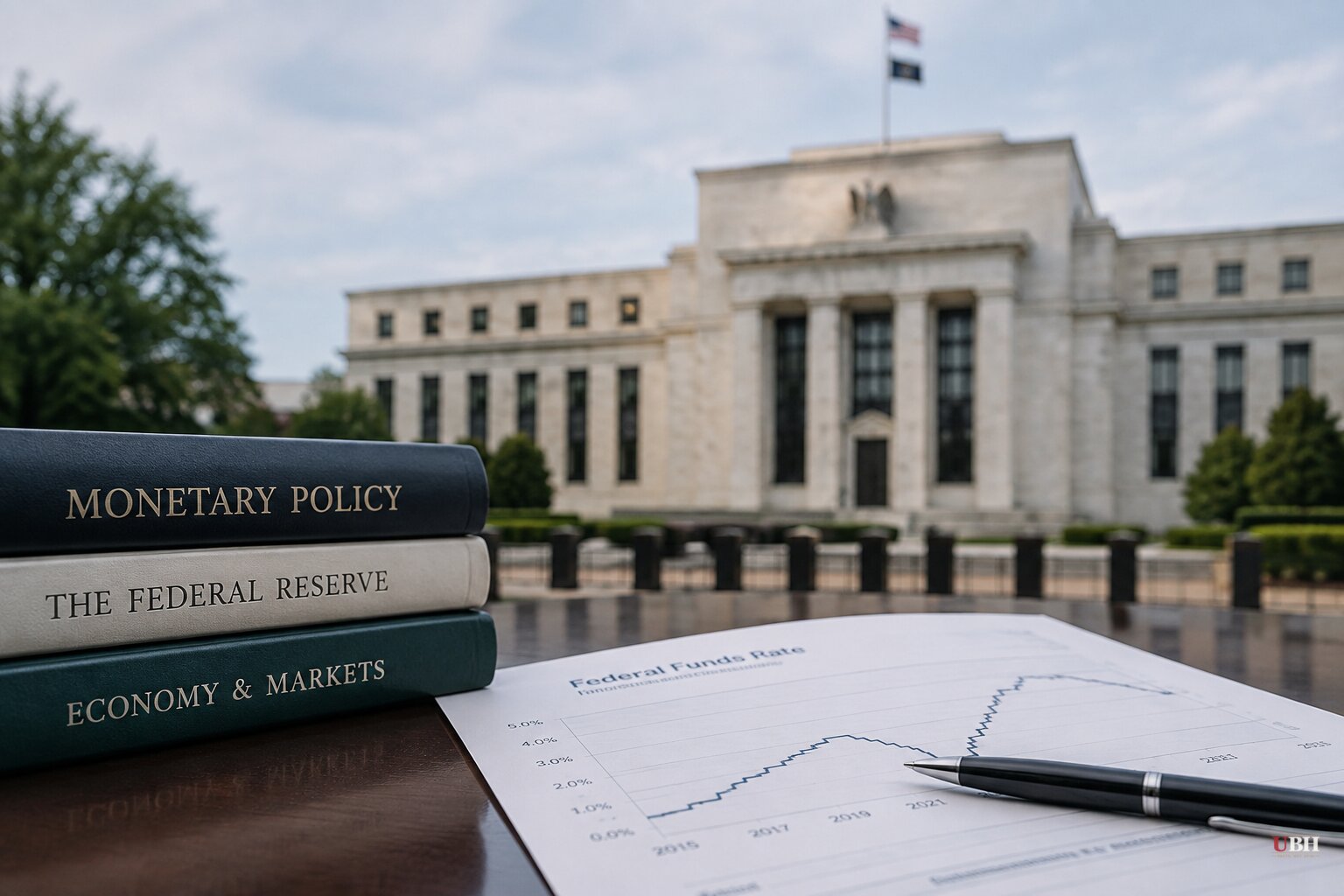
Since the Fed's September 16 vote to raise the federal funds rate 25 basis points to 3.75-4%, the first hike since 2023, the debate over whether that move fits Chair Kevin Warsh's own stated philosophy has only gotten louder. The newest voice weighing in: Oaktree Capital Management co-chairman Howard Marks.
Marks Wants the Fed to Shut Up More
Marks told Bloomberg This Weekend on Sunday that he prefers "a less activist central bank that normally lets the economy do its thing, unless it's in danger of going off the rails, too hot or too cold." That's the same argument he's been making publicly for years, including at a fireside chat at Pepperdine University in March 2026, months before Warsh was even nominated.
Marks' core complaint about the old Fed model is moral hazard. When markets know the central bank will step in every time things get bumpy, according to Marks, investors take bigger risks than they should. He built Oaktree into one of the world's largest distressed-debt shops, a business that depends on other people's bad bets going sour, so his skepticism of a Fed that tries to prevent distress from happening at all isn't exactly a shock.
Marks also used the appearance to push a new idea: a government task force studying how AI could hit employment and tax revenue. "If people are put out of work, they won't pay taxes," Marks said, according to a Seeking Alpha report carried on TradingView. No agency or lawmaker has announced plans to act on the proposal.
The Fed Chair Backing Off the Talking
Warsh, confirmed by the Senate 54-45 on May 13, 2026, and sworn in on May 22, has spent his first months in office trying to cut back on forward guidance, the Fed's longtime habit of telegraphing rate moves in advance. He's launched five task forces aimed at that goal. At Jackson Hole on August 28, he laid out the theory in full: the Fed should wait for solid evidence that inflation is heading to target rather than act on hopeful projections.
The September 16 hike, approved unanimously 12-0, was supposed to be that theory put into practice.
The Pushback: Wrong Time to Hike
Not everyone buys it. Writing in RealClearMarkets on September 17, Peter Navarro argued Warsh broke what he calls the Greenspan-Bernanke Rule: don't raise rates into an oil price shock. Navarro pointed to Alan Greenspan holding rates steady during the Gulf War oil spike and Ben Bernanke doing the same in 2008 despite soaring commodity prices, on the theory that expensive gas already acts like a tax on households and businesses without the Fed piling on with higher borrowing costs.
Navarro's argument: a one-time jump in oil prices isn't the same as a self-sustaining inflationary spiral, and hiking rates into that kind of shock risks squeezing consumers and manufacturers twice, once at the pump and once at the bank. He calls the September decision "arguably the worst first rate hike decision of any new Fed chair in modern history."
A piece in Forbes raised a related but distinct question: does the hike even satisfy Warsh's own standard? Warsh has said "trends matter most," but Forbes noted August headline inflation ran 3.4% while core inflation, excluding food and energy, sat at 2.4%. Energy prices rose 16.3% year over year and gasoline jumped 27.4%, with gasoline alone responsible for more than a third of the headline number. Forbes' question was whether an energy-driven spike counts as the kind of underlying trend Warsh said he'd wait for, or whether the Fed jumped the gun on noisy, volatile data.
The Fed hasn't publicly responded to that specific critique, and no source indicates whether Warsh addressed the oil-shock comparison directly at the September meeting. Gate.com's writeup framed the hike simply as proof the Fed intends to be "data-driven rather" than politically responsive, without engaging the Greenspan-Bernanke comparison at all.
What happens next depends on data neither side controls. If core inflation keeps drifting toward the Fed's 2% target while energy prices settle, Warsh's defenders will have their evidence. If gas prices keep climbing and growth slows the way Navarro predicts, the argument that the Fed hiked into an avoidable shock gets harder to dismiss. The next scheduled FOMC decision will be the first real test of which read on the data holds up.
Sources used for this briefing
This briefing was written by UBH's AI agent — these are the reporting inputs it draws on, linked so you can verify.


