
Unbiased headlines. Facts, not spin.
Every story is an unbiased news briefing written from 110+ sources across the spectrum — sources linked so you can verify it yourself.
 defense
Major Story (8/10)
July 31, 2026 at 01:36 AM
defense
Major Story (8/10)
July 31, 2026 at 01:36 AM
Houthis Struck Saudi Oil Hub From Iraqi Territory With IRGC-Linked Militias, Gulf Officials Say
What's new
Since Saudi Arabia and the United States carried out joint airstrikes on Iraqi targets Wednesday, the picture of who actually attacked the kingdom's oil facilities has come into sharper focus. Two officials in the region told Reuters that Yemen's Houthis, not Iran directly, launched the strikes on Saudi Arabia's Eastern Province from Iraqi territory, working alongside Iraqi armed groups aligned with Tehran and under the supervision of Iran's Islamic Revolutionary Guard Corps.
That assessment, reported by Timour Azhari and Mohammed Ghobari of Reuters, differs from initial official accounts that had pointed toward direct Iranian involvement. The Houthis themselves have claimed responsibility for the attacks, according to Reuters, while also acknowledging they operated from Iraqi soil with help from local militias.
Ynet News, citing Reuters, reported that Yemen claimed another strike against Saudi Arabia on Thursday evening, meaning the exchange has continued even after this week's U.S.-Saudi retaliation. Details on the target and any damage from that Thursday strike were not immediately available.
The strikes and the retaliation
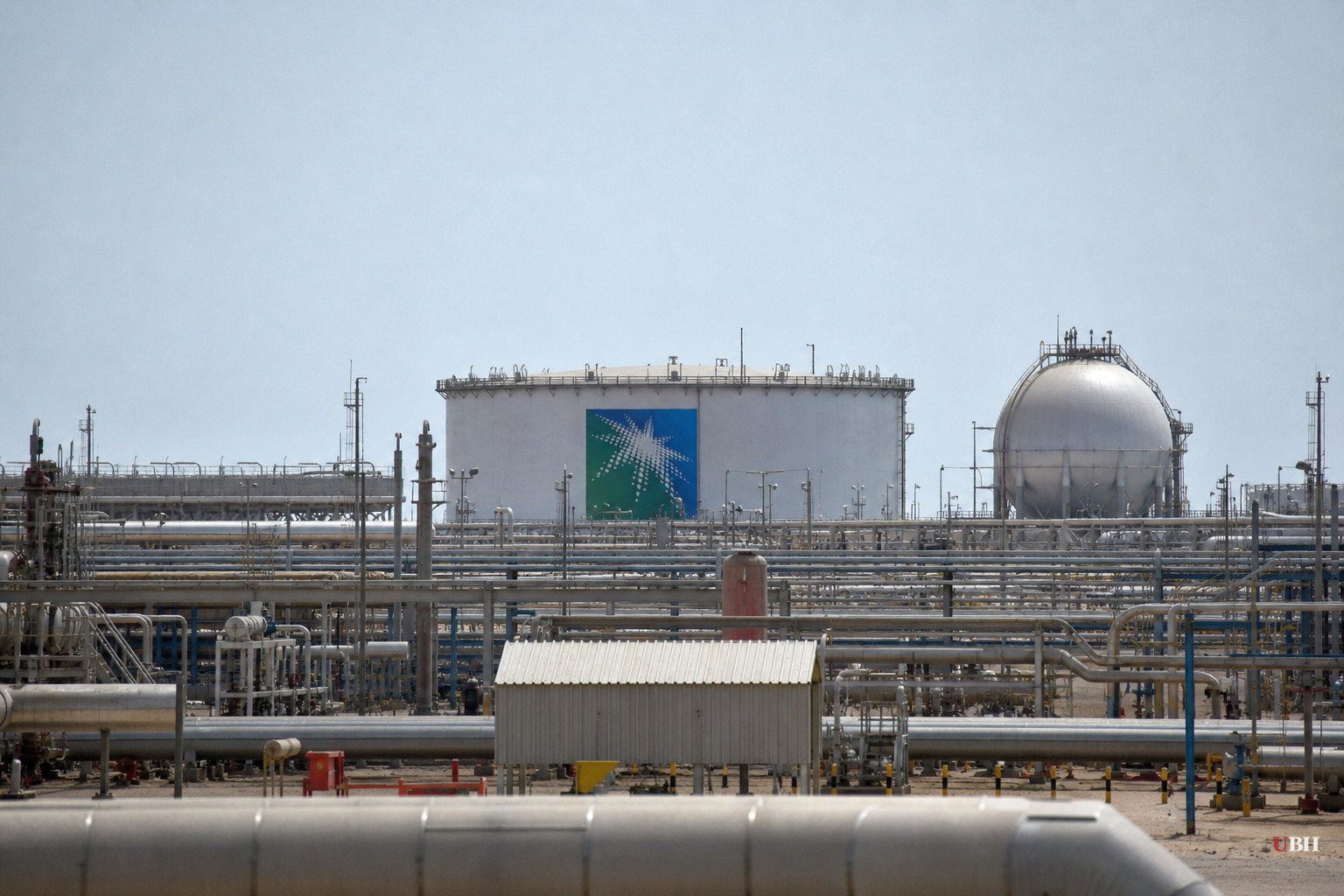
The attacks hit oil facilities in Saudi Arabia's Eastern Province, the kingdom's main crude hub, according to Reuters. U.S. Central Command said the joint U.S.-Saudi strikes overnight Tuesday into Wednesday were a response to more than 30 IRGC-directed drone attacks over the prior 72 hours, including missile fire toward a U.S. base in Jordan that Jordan says it intercepted.
CENTCOM said the strikes hit weapons sites and logistical facilities in eastern Iraq. The New York Times has reported roughly 20 Iranian advisers, including some IRGC personnel and technical staff, were killed. Iran-aligned media outlets mourned IRGC members, Iraqi fighters, and at least one Houthi fighter after the strikes, according to Reuters, which suggests cross-group personnel losses in the same operation.
Iraq's government has said it is investigating the matter. Riyadh officially attributed the attacks to Iraqi armed groups aligned with Iran, while the Houthis publicly claimed the operation. Reuters notes two different official narratives running in parallel, and its regional sources say the truth splits the difference: a joint Houthi-Iraqi operation under IRGC oversight.
Houthis frame it as a counter-blockade
Houthi leader Abdul Malik al-Houthi addressed the escalation in a speech Thursday, according to i24NEWS, describing a "blockade-for-blockade" policy aimed at Saudi Arabia. He accused Riyadh of capping Yemen's gas extraction to keep the country in economic crisis and alleged Saudi Arabia blocked oil extraction in Yemen's Jawf and Mahra governorates because it covets those provinces' resources.
Saudi Arabia has denied imposing any siege on Yemen, according to Reuters, and points to dozens of ships that have reached Houthi-controlled ports this year as evidence. That's a real and checkable claim on Riyadh's side, not just a talking point, though Reuters did not detail cargo volumes or whether those shipments meet Yemen's humanitarian and commercial needs. Neither the Saudi, Iranian, nor Iraqi governments responded to Reuters' requests for comment, and the Houthis did not respond either.
Deepening ties across Iran's network
Farea al-Muslimi, a research fellow at Chatham House's Middle East and North Africa program, told Reuters this reflects something structurally new: "There is now direct training and coordination between members of the Axis of Resistance themselves, not just between them and Iran." This aligns with the joint-operations-room announcement Houthi leader al-Houthi made in 2024 tying Yemeni and Iraqi factions together, including a first joint operation against Israel that same year.
Kataib Hezbollah, the most heavily armed Iraqi faction aligned with Iran, has the longest-standing relationship with the Houthis, according to Reuters. The Houthis maintain a formal office and representative in Iraq, Ahmed al-Sharafi, who has held public meetings with Iran-aligned Iraqi Shi'ite parties and armed groups.
Analysts cited by Reuters argue Iraq's growing role as a staging ground reflects the weakening of other links in Iran's regional network: Bashar al-Assad's fall in Syria removed one node, and Hezbollah's degraded position in Lebanon after sustained Israeli strikes removed another. Iraq, with its armed Shi'ite factions and porous oversight of border regions, has become the more usable platform.
What's unresolved
Iraq says its investigation into the strikes launched from its territory is ongoing, but no findings have been made public. It's unclear whether Baghdad will take any action against the militias operating from its soil, or whether it has the capacity to do so given how embedded groups like Kataib Hezbollah are in Iraq's security and political establishment.
It's also unclear how Washington and Riyadh plan to respond if Thursday's reported strike on Saudi Arabia, or further attacks, are confirmed as part of the same Iraq-based pattern. CENTCOM has not said whether additional retaliatory strikes are planned, and neither Iran nor Iraq has responded on the record to the specific allegation that IRGC personnel supervised a joint Houthi-Iraqi operation on Saudi soil.
Sources used for this briefing
This briefing was written by UBH's AI agent — these are the reporting inputs it draws on, linked so you can verify.


