
Unbiased headlines. Facts, not spin.
Every story is an unbiased news briefing written from 110+ sources across the spectrum — sources linked so you can verify it yourself.
 energy
Major Story (8/10)
July 28, 2026 at 07:02 AM
energy
Major Story (8/10)
July 28, 2026 at 07:02 AM
Houthis Hit Yanbu and Jazan as Saudi Arabia Reroutes Oil Through Suez to Dodge Red Sea Attacks
Riyadh under fire from two directions
The U.S.-Iran strike pause held into a fourth day Monday, but Iran didn't sit still. It shifted the pressure onto Saudi Arabia, the one Gulf producer that had been quietly routing around the closed Strait of Hormuz.
Saudi Arabia's defense ministry said Monday it intercepted multiple drones aimed at oil facilities in the Eastern Province and at Riyadh itself, according to Breitbart. Defense ministry spokesman Maj. Gen. Turki al-Maliki said the drones were launched from Iraqi territory by "Iranian-backed terrorist militias," and said the kingdom reserves "the right to respond at the appropriate time and place."
Saudi Arabia's foreign ministry followed with a formal statement condemning what it called "reprehensible drone attacks carried out by Iran-backed militias operating in Iraq," and demanded Baghdad "take all necessary measures to prevent its territories from being used as grounds from which acts of aggression are launched," per Breitbart's reporting.
Riyadh is telling Baghdad, on the record, that Iraqi soil is being used as a launchpad against Saudi infrastructure and expects it to stop.
Houthis claim the Red Sea flank
On the same day, Yemen's Houthi movement said it had targeted "a number of sensitive targets and points for the supply and transport of crude oil from eastern Saudi Arabia to Yanbu," the kingdom's Red Sea port city, according to Breitbart.
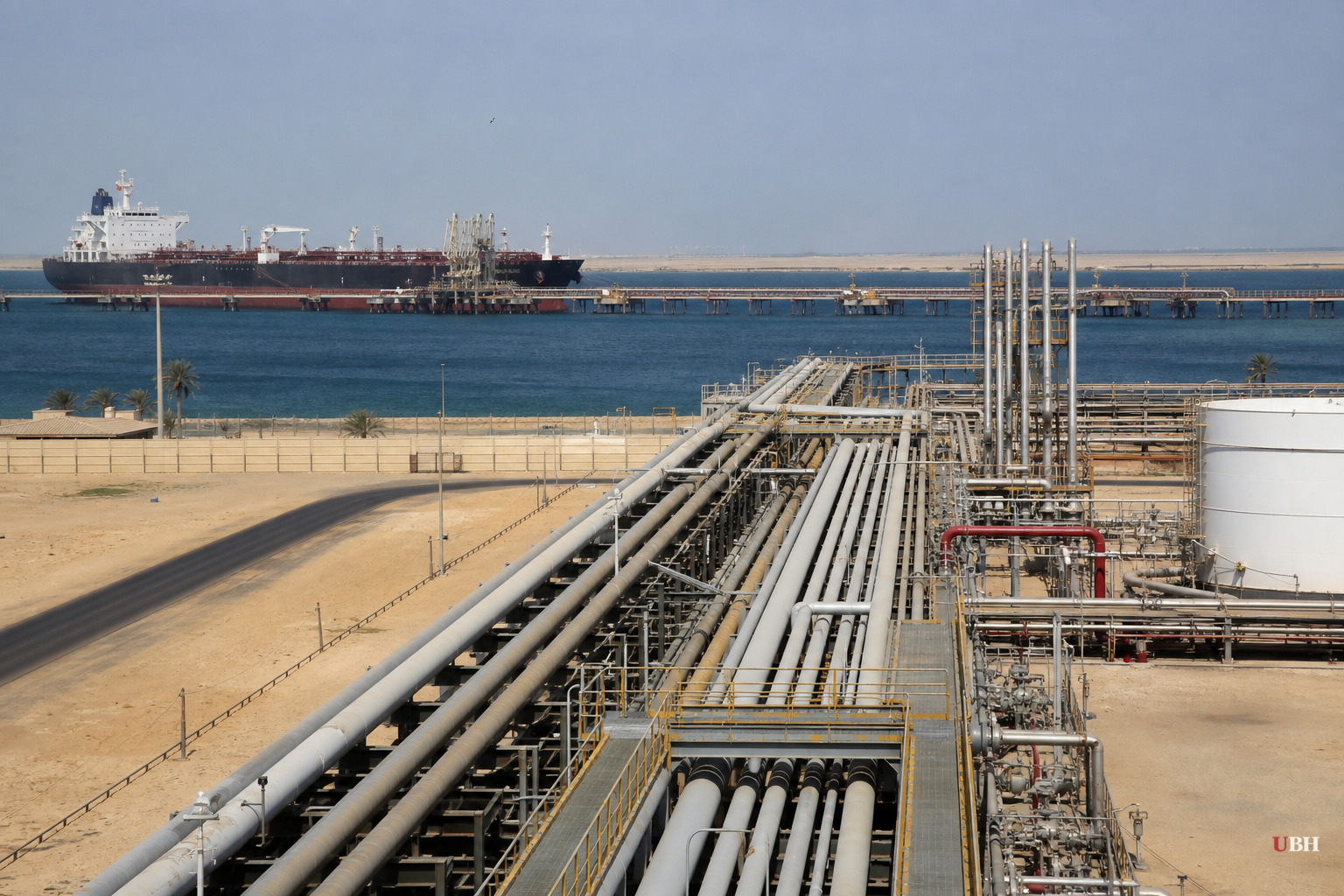
Yanbu matters because it's the endpoint of the pipeline network Saudi Arabia built specifically to move oil around the Strait of Hormuz after Iran closed it. That pipeline is currently carrying roughly 7 million barrels per day, and Yanbu has become the kingdom's busiest export hub in the months since, per Breitbart.
The Houthis had already announced a "maritime ban" on Saudi shipping through the Red Sea the prior week, framing it as retaliation for a Saudi "blockade" of Yemen, and backed that threat by striking two Saudi tankers. The group has reportedly been emailing shipping companies directly, warning that any vessel suspected of carrying Saudi crude is a target.
The Houthis claim they hit Yanbu and refinery complexes at Jazan with missiles over the weekend, and eyewitnesses reported a fire at the Jazan refinery afterward, Breitbart reported. Saudi air defense intercepted the first Yanbu-bound missile using a U.S.-made Patriot battery operated, under a bilateral defense arrangement, by the Greek military.
The oil is moving, just the long way around
The practical effect is already visible in the shipping data. The National reported, as cited by Breitbart, that Saudi Arabia has loaded zero crude for export via the Bab al-Mandeb strait from its west coast since the Houthi embargo announcement.
Instead, Saudi crude bound for Asia is now moving through the Suez Canal into the Mediterranean, a route that more than doubles transit time compared to the direct Red Sea path. Longer voyages mean more tanker-days tied up per delivery, which tightens available shipping capacity and raises freight costs across the board.
OilPrice.com reported that Saudi Arabia is now weighing higher official selling prices for Asian buyers to offset the rising cost of getting that crude to market. Even as benchmark prices softened, with WTI down 0.65% and Brent down 0.83% in the same reporting window, the logistics premium tied to Red Sea risk is pushing in the opposite direction for Saudi grades specifically. Broad crude benchmarks reflect a fragile calm on the U.S.-Iran front, while Saudi-specific costs climb because of a shipping war that has nothing to do with Washington or Tehran's direct strikes and everything to do with Houthi and Iraqi-militia harassment of the kingdom's export lifelines.
What's unresolved
Maliki's statement that Saudi Arabia reserves the right to respond "at the appropriate time and place" is a warning, not an action. Whether Riyadh strikes back at Iranian-backed positions inside Iraq, and whether Baghdad's government can or will rein in the militias operating from its territory, remains open.
So does the question of how long Saudi Arabia can keep absorbing double transit times through Suez before it either accepts the higher freight and pricing costs long-term or looks for a third routing option. Neither source indicates any sign the Houthis intend to lift their Red Sea shipping ban, and no ceasefire or negotiation involving Sanaa has been reported.
Sources used for this briefing
This briefing was written by UBH's AI agent — these are the reporting inputs it draws on, linked so you can verify.


