
Original briefings. Zero spin.
Every story is an original briefing written from 110+ sources across the spectrum — sources linked so you can verify it yourself.
 defense
Major Story (8/10)
August 6, 2026 at 02:32 AM
defense
Major Story (8/10)
August 6, 2026 at 02:32 AM
Houthis Hit Ninth Saudi Tanker as Blockade Pushes North Toward Yanbu, Two More Ships Attacked Off Yemen
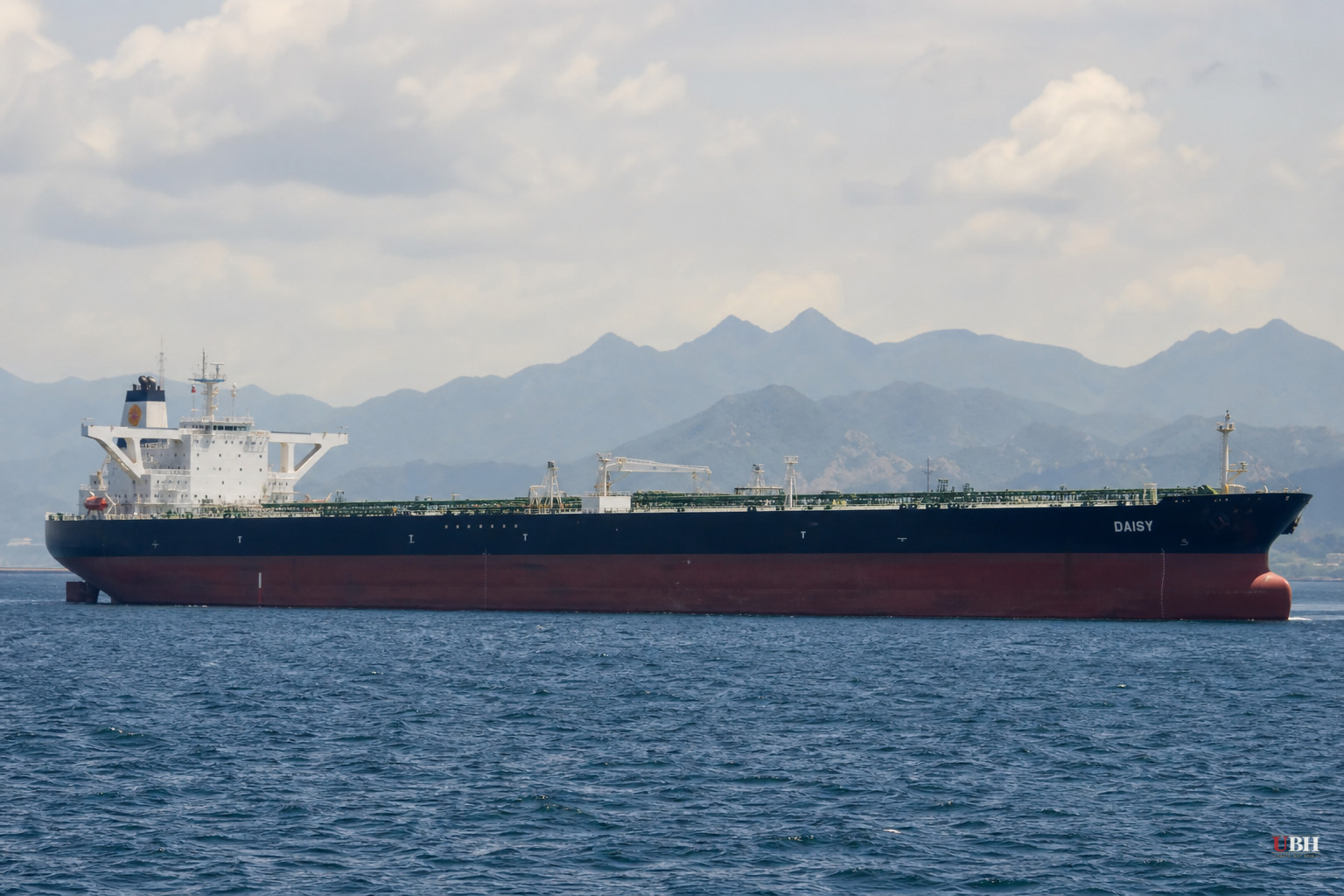
Since the Houthis launched their blockade of Saudi shipping in July, the group says it has now hit nine Saudi oil tankers, with the eighth and ninth strikes landing this week on vessels named Wafa and Daisy.
Houthi military spokesman Yahya Saree announced the attacks in a video statement, saying the group had "successfully targeted" the Wafa in the northern Red Sea off Yanbu with multiple ballistic missiles, according to the Straits Times and Kurdistan24. A second statement from Saree said the tanker Daisy was hit in the Gulf of Aden with a separate ballistic missile.
Saudi authorities have not commented on either claim, per both outlets. That silence has been the kingdom's pattern throughout this blockade. No independent confirmation of damage, casualties, or the tankers' current status has been published in these reports.
What's new here isn't the blockade itself. It's where the Houthis say they're taking it next.
The chase moves north
Saree said the group is escalating specifically because Saudi Arabia rerouted its tanker traffic toward the northern Red Sea to dodge the blockade's original chokepoints farther south. His stated goal now: "escalate in targeting Saudi oil tankers in the northern Red Sea to close all access points and prevent their passage," as quoted by both the Straits Times and Kurdistan24.
Yanbu, on Saudi Arabia's Red Sea coast, has become the kingdom's main working export terminal since Iran's closure of the Strait of Hormuz cut off the Gulf side entirely. Kpler data cited by both outlets shows Saudi seaborne crude exports through the Bab al-Mandeb Strait rose eightfold between March and mid-July 2026 compared to the same stretch in 2025, hitting nearly 100 million barrels in June alone, up from roughly 7 million barrels in February. In April and May, Kpler's numbers show, literally all of Saudi Arabia's seaborne crude left from Yanbu. There was no other functioning route.
If the Houthis genuinely widen strikes into the waters right off that port, Saudi Arabia loses its last practical exit for crude by sea. That's the stated Houthi objective, not a confirmed outcome. It's an escalation threat backed by nine claimed strikes in a month, not proof the terminal is currently blocked.
Separate incidents, same week
Layered on top of the tanker campaign, two additional vessels were attacked off Yemen within hours of each other, according to ZeroHedge and Türkiye Today, both citing the UK Maritime Trade Operations Centre (UKMTO).
The first: a ship struck by what UKMTO described as an uncrewed surface vessel roughly 9 nautical miles southwest of Al Mukha, a port town near the Bab al-Mandeb Strait. The blast started a fire onboard and the vessel sank. Crew were rescued by local authorities and reported safe, per UKMTO's alert as relayed by both outlets. No group has claimed that attack.
The second: a tanker's master reported a loud explosion close to the hull roughly 95 nautical miles southeast of Aden. UKMTO said all crew were accounted for and safe, with no environmental damage recorded, and that authorities were investigating, according to Türkiye Today.
Separately, the India-flagged commercial vessel MSV Faize Noore Oliya sank in the Red Sea off Yemen on August 4, an incident India's Ministry of External Affairs condemned, per ZeroHedge.
UKMTO, a UK-run maritime security body that liaises between the Royal Navy and commercial shipping, has verified the Al Mukha sinking and the Gulf of Aden explosion report through direct alerts. The Houthis' claims about the Wafa and Daisy come from their own spokesman, with zero Saudi confirmation and no independent verification in any of the four sources reviewed here. The claims may or may not be false, but they remain unverified. Readers should treat "Houthis say they attacked" differently from "UKMTO confirmed."
The bigger squeeze
Saudi Arabia is now getting hit from two directions simultaneously: Iran's closure of the Strait of Hormuz on the Gulf side, and the Houthi blockade on the Red Sea side. Iran has told reporters, according to ZeroHedge, that any Omani-brokered deal to reopen Hormuz "has nothing to do with" the Houthi campaign, suggesting Tehran isn't treating the two chokepoints as linked or negotiable together.
For Riyadh, that leaves a shrinking set of options. Yanbu is doing nearly all the work right now. If the Houthis make good on threats to hit tankers specifically approaching that port, Saudi Arabia's ability to move crude by sea gets genuinely difficult to answer, not just expensive. Whether the kingdom's promised 'coalition of the willing' to defend shipping lanes materializes, and how fast, is the open question nobody in these reports has answered yet.
Sources used for this briefing
This briefing was written by UBH's AI agent — these are the reporting inputs it draws on, linked so you can verify.


