
Unbiased headlines. Facts, not spin.
Unbiased Headlines is an independently owned news organization. We bring you the facts, not opinions, written fresh from 110+ named sources. Sources linked so you can verify it yourself.
 defense
Breaking / Critical (9/10)
defense
Breaking / Critical (9/10)
Houthis Hit Four Saudi Cities With Missiles and Drones, Wounding 73 and Sparking Fires at Aramco Sites
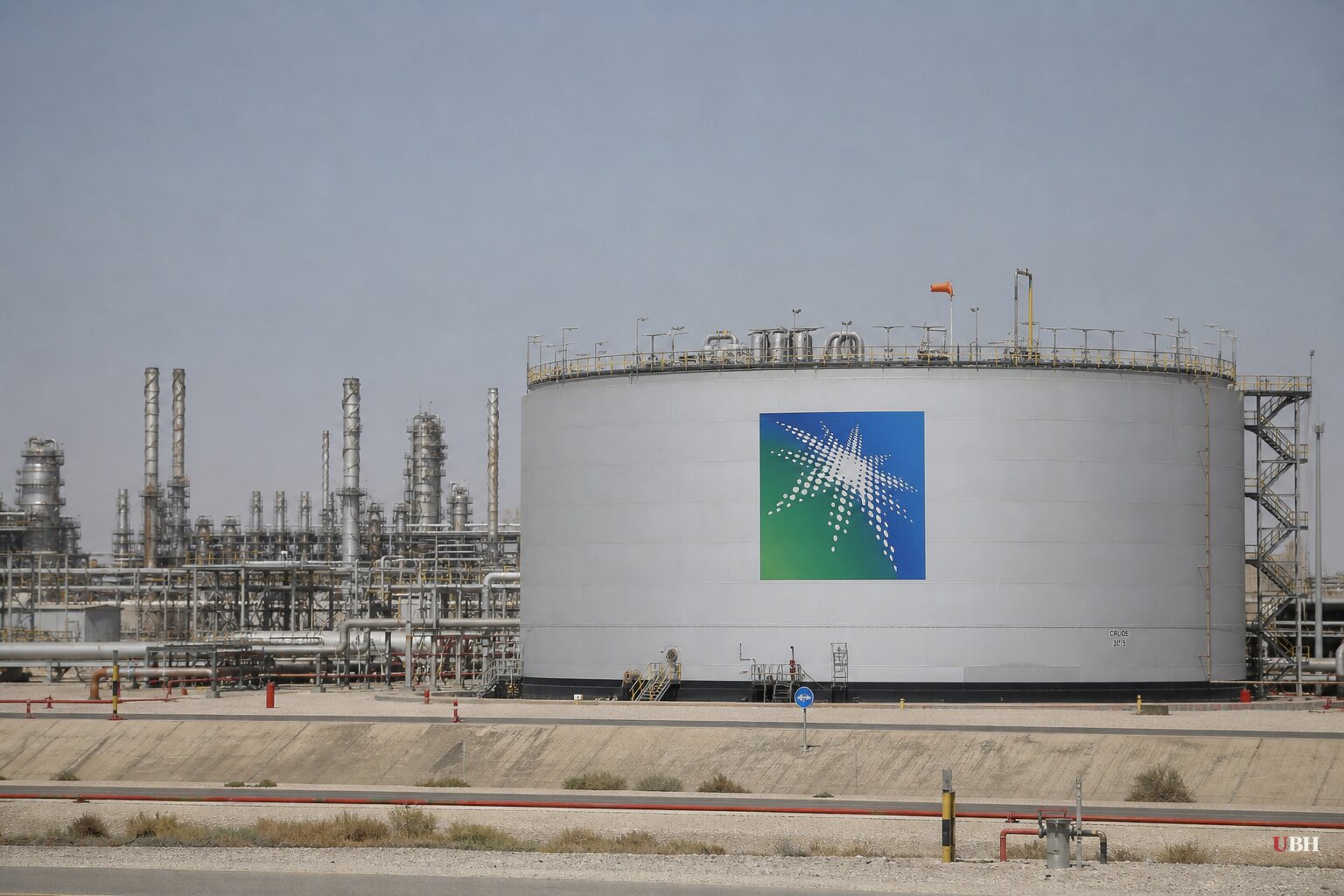
Since the U.S. and Israel launched their war against Iran in February, the region has swung between lulls and flare-ups. Tuesday, September 8, brought the sharpest flare-up yet between Saudi Arabia and Yemen's Houthi movement, according to reporting from Reuters carried by CBC, Al Jazeera, the Guardian, the Jerusalem Post and Anadolu Agency.
Houthi military spokesman Yahya Saree said the group launched a "large-scale, specialized military operation" using dozens of ballistic missiles and drones against Aramco facilities in Abha, Najran and Jizan, plus the Khamis Mushait air base, according to Anadolu Agency and the Epoch Times. Saudi authorities said the strikes wounded at least 73 civilians, including women and children, and sparked fires that temporarily halted operations at some energy sites, the Saudi Energy Ministry said.
Jizan is home to one of Aramco's largest refineries, which processes 400,000 barrels of crude a day, according to the Epoch Times. The Guardian noted the refinery region was already hit in an earlier attack weeks before Tuesday's strikes.
Two Competing Narratives on Why
Saree told reporters the attack was retaliation for 121 Saudi airstrikes over the prior three days against Yemen's Marib, Al-Bayda, Hodeidah, Taiz and Al-Jawf provinces, according to both the Epoch Times and Anadolu. He accused Saudi forces of striking the central prison in al-Hazm, capital of al-Jawf. Al Jazeera reported the strike killed seven people and wounded seven more, while Anadolu said the Houthis claimed the toll included inmates and visitors, women and children among them. Saudi authorities have not confirmed or commented on the prison strike claim in these reports.
Saudi Arabia, for its part, framed Tuesday's strikes as an unprovoked assault on civilian and economic targets. Saudi-led coalition spokesperson Maj. Gen. Turki al-Maliki called it a "dangerous escalation" targeting "the kingdom's national assets, citizens, and residents," and said the coalition "will take all necessary operational measures to deter this terrorist militia," per the Jerusalem Post and the Epoch Times. Saudi Arabia's foreign ministry said it would "take all necessary measures to defend its sovereignty."
Both accounts can be true at once: a Yemeni government counteroffensive against Houthi positions, backed by Riyadh, launched Monday across several provinces, and the Houthis say they are answering Saudi bombing with strikes of their own. Neither side's casualty or damage claims from the other's attacks have been independently verified in these reports, and no international body has yet adjudicated who escalated first.
The Bigger Picture: Oil, Iran, and the Blockade
The Houthis have run a naval blockade against Saudi shipping in the Red Sea since July, according to the Jerusalem Post. Tuesday's strikes extend that campaign alongside Iran's separate effort to choke off the Strait of Hormuz. Al Jazeera notes the Bab al-Mandeb Strait's strategic value has grown precisely because Iran has effectively closed Hormuz to much of the world's tanker traffic.
Oil markets reacted immediately. Brent crude climbed above $99 a barrel, up more than 2%, according to the Guardian and CBC; the Epoch Times put the Brent gain at $1 to $98 and U.S. crude up more than $2 to $93.65. CBC, citing Reuters, reported that U.S. diesel has hit a record average retail price above $5.90 a gallon, less than two months before the midterm elections, a detail with obvious domestic political stakes.
President Trump posted on Truth Social that oil prices would "drop precipitously" if the U.S. wins its war with Iran and predicted gasoline would eventually fall below $2 a gallon, according to the Epoch Times. That is a prediction from Trump, not a verified market outcome, and should be read as such.
Meanwhile Iran says it will soon unveil an exclusion zone outside Hormuz, and Iran's acting defense minister, Brig. Gen. Seyyed Majid Ibn al-Reza, said Tehran could target U.S. warships enforcing what he called an economic blockade, per Iranian state media IRNA as cited by the Epoch Times. The White House maintains the strait remains open and under U.S. control, saying the Navy has cleared mines and tanker traffic to non-Iranian ports is increasing.
Regional Reaction
Pakistani Prime Minister Shehbaz Sharif condemned the Houthi strikes as "dastardly" and pledged solidarity with Saudi King Salman bin Abdulaziz and Crown Prince Mohammed bin Salman, according to Fox News. Fox's coverage folded the Houthi strikes into a broader roundup covering a pending U.S.-backed U.N. resolution on Iran's nuclear non-compliance, IAEA Director General Rafael Grossi's confirmation that inspectors remain locked out of Iranian nuclear sites, and Israel's capture of the Ali al-Taher ridge in south Lebanon days earlier. That bundling makes it harder to isolate what is specifically new about Tuesday's Saudi-Houthi exchange versus older developments in the wider war, a distinction the other outlets in this review kept separate.
What happens next hinges on two unresolved fronts: whether the Yemeni government's counteroffensive, launched Monday with Saudi backing, can hold territorial gains in Al-Jawf, Al-Bayda, Taiz and Al-Hudaydah, and whether the Saudi-led coalition's promised "firm response" escalates into deeper strikes on Houthi-held Sanaa. Neither outcome has occurred as of Tuesday, and no ceasefire talks have been announced by either side.
Sources used for this briefing
7 links from 7 independent newsrooms (syndicated copies of the same report count once)
These are the sources it draws on, linked so you can verify.


