
Unbiased headlines. Facts, not spin.
Unbiased Headlines is an independently owned news organization. We bring you the facts, not opinions, written fresh from 110+ named sources. Sources linked so you can verify it yourself.
 defense
Major Story (8/10)
Saudi Arabia Intercepts Houthi Missiles Over Riyadh as Airport Terminals Reopen, and Houthis Call the Airport a Military Target
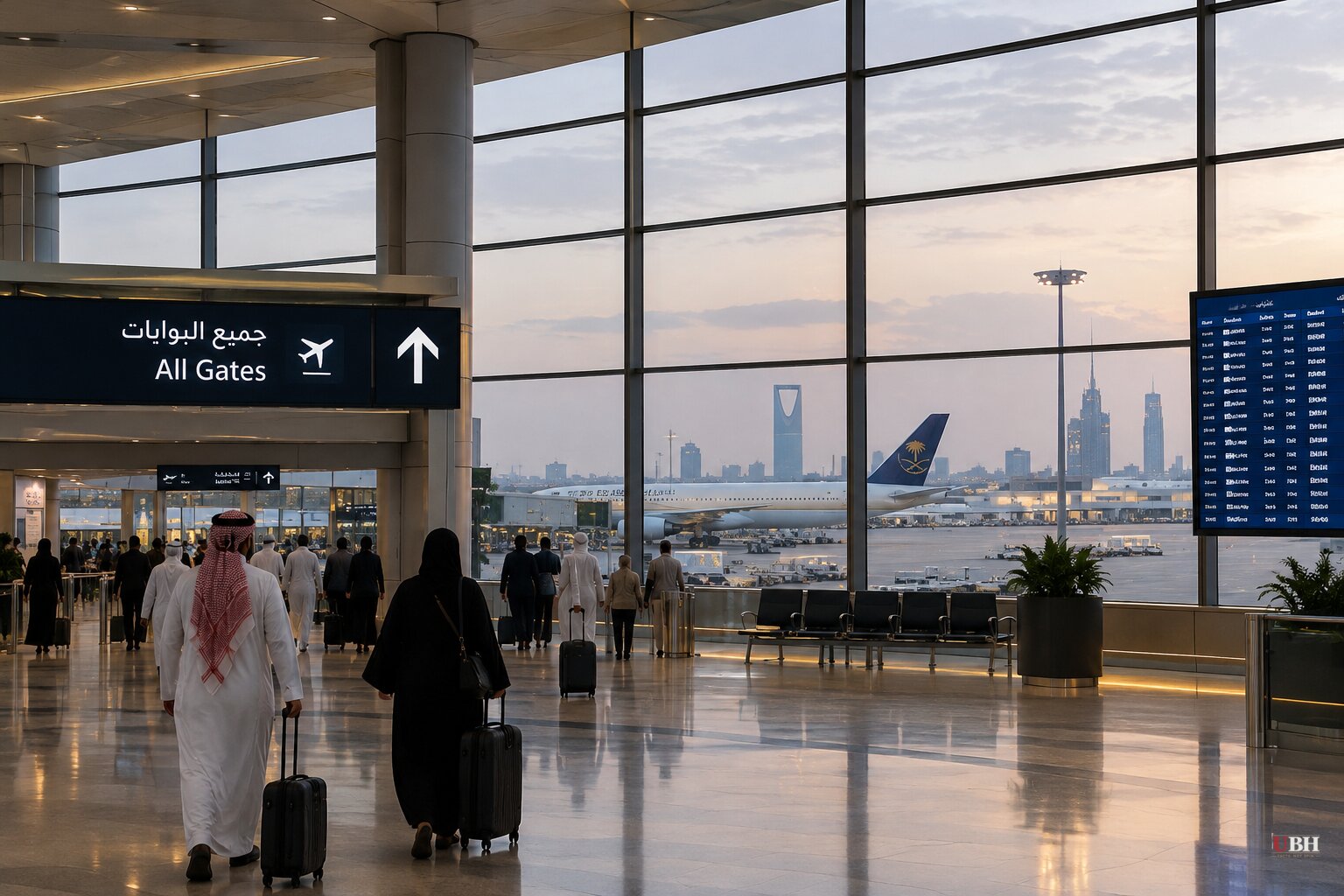
Since a Houthi attack halted operations at Riyadh's King Khalid International Airport on Oct. 10, killing 13 people and wounding more than 300, the fighting has not let up. Sunday, Oct. 25, brought another round of interceptions and the airport's partial reopening, which the Houthis immediately challenged.
Coalition spokesman Major-General Turki al-Maliki said Saudi forces destroyed a Houthi ballistic missile fired at Riyadh on Sunday morning. They also downed a drone over the Riyadh region and a cruise missile aimed at Khamis Mushait in the southwest. Explosions were heard in the Saudi capital.
The coalition later reported intercepting 10 ballistic missiles fired toward southern Saudi Arabia.
Airport reopens under a threat
Riyadh airport said in a statement late Saturday that international flights would resume from Terminal 2 on Sunday. Terminal 1 is designated for domestic flights.
The Houthis answered within hours. Military spokesman Yahya Saree said the airport "is unsafe and serves as a military target for our forces." He warned all international, regional and local airlines, staff and travelers against using it.
"The Saudi regime shall bear the consequences of any operations at the airport," Saree said.
The group said Saturday that it targeted three Saudi airports, including one in Riyadh, along with energy installations, a pipeline and an airbase. Saudi civil defense said it responded to falling debris in the Mecca and Medina regions after intercepting two Houthi missiles. The Houthis denied targeting either holy city, calling the Saudi claim a "huge lie."
Strike on Sanaa
On the other side of the border, an airstrike on Oct. 24 hit the Asr district of Houthi-held Sanaa. AFP photographed a man inspecting the damage, and the strike was reportedly carried out by Saudi Arabia. Casualty figures for that strike were not given.
Indian nationals told to put the phones down
The Indian Embassy in Riyadh on Sunday urged Indian nationals in Saudi Arabia to follow local rules. It reposted a notification from the Saudi Directorate of Civil Defence, which says: "Filming, publishing, or sharing information related to countering missiles and drones and their impact sites exposes you to legal liability."
The notification is a Saudi government restriction on documenting missile and drone interceptions and their impact sites.
India's mission also confirmed the airline fallout. Air India and Air India Express flights to and from Riyadh and Dammam are suspended until Nov. 7. Flights to and from Jeddah are suspended until Oct. 31.
The Indian Consulate General in Jeddah said its 24-hour control rooms in Jeddah and Makkah are supplying food, essential medicines and other needs to affected Indians where feasible. It said it is in regular contact with Saudi Arabia's Ministry of Hajj and Umrah and the Foreign Ministry over visa validity and delayed departures caused by the flight disruptions.
What the record shows
The Oct. 10 attack on the airport killed 13 people and wounded more than 300. Sunday's interceptions add to a string of missile and drone attacks that Indian authorities describe as targeting civilian infrastructure, and the Houthi attacks have disrupted Saudi businesses, airlines and normal life.
It is unclear whether foreign carriers will come back while the Houthis publicly label the airport a target. Air India's grounding runs to Oct. 31 for Jeddah and Nov. 7 for Riyadh and Dammam. Whether those dates hold will depend on whether the strikes slow before then.
Sources used for this briefing
8 links from 8 independent newsrooms (syndicated copies of the same report count once)
These are the sources it draws on, linked so you can verify.


