
Unbiased headlines. Facts, not spin.
Every story is an unbiased news briefing written from 110+ sources across the spectrum — sources linked so you can verify it yourself.
 energy
Major Story (7/10)
July 24, 2026 at 06:30 AM
energy
Major Story (7/10)
July 24, 2026 at 06:30 AM
Houthis Blockade Saudi Oil Tankers But Wave Chinese Ships Through
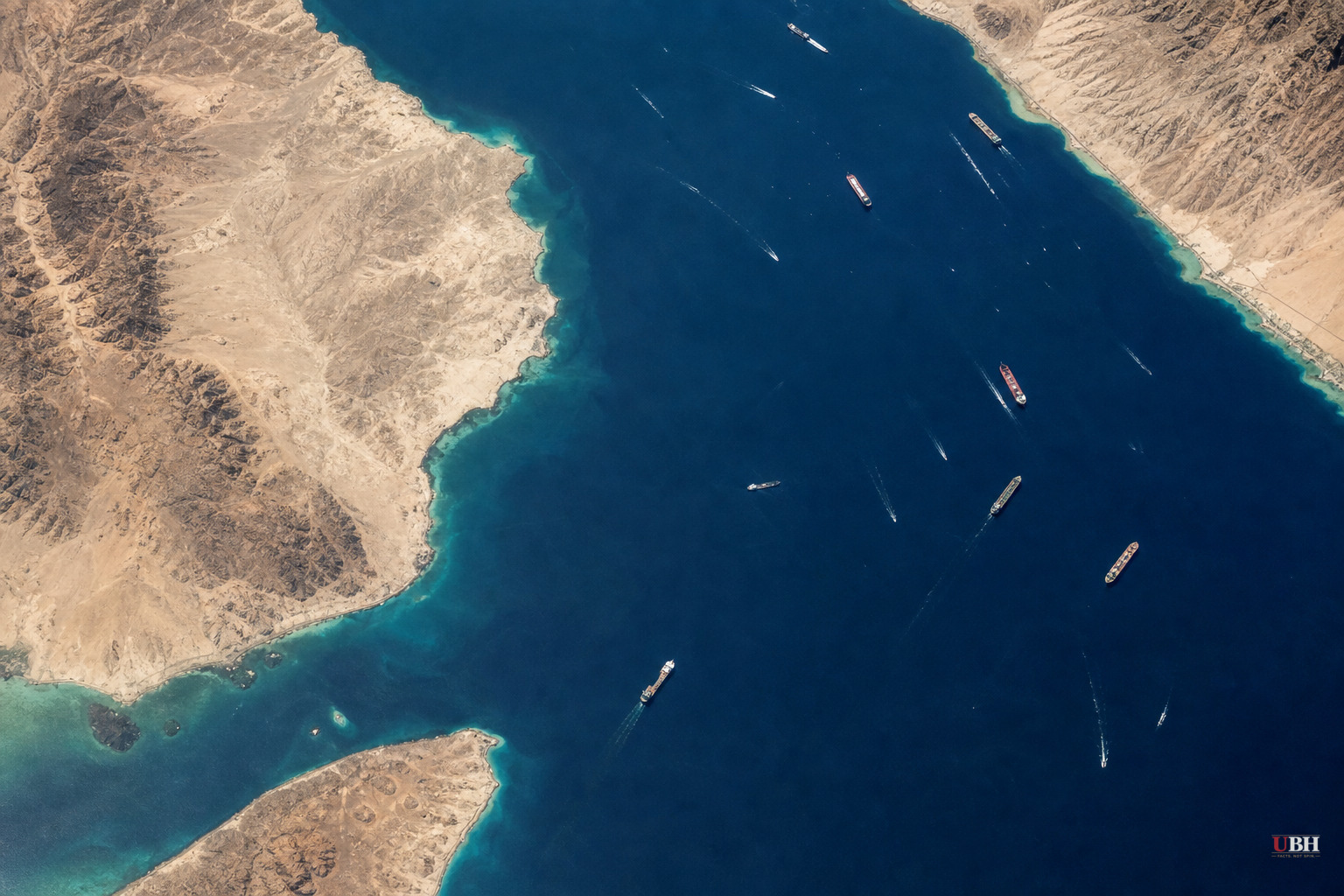
Same strait, different treatment
Two Chinese state-owned oil tankers, the Xin Long Yang and the Cosnew Lake, sailed through the Bab el-Mandeb Strait and out into the Gulf of Aden on Thursday, July 23, according to Newsweek. Both belong to COSCO Shipping and were each hauling roughly 2 million barrels of crude loaded at Saudi Arabia's Yanbu port.
They made the run less than 24 hours after Houthi forces claimed missile and drone strikes on two Saudi-owned tankers in the same waters, per Newsweek and Gulf News. One of those ships, the Encelia, was hit about 80 nautical miles off Al Shuqaiq in southwestern Saudi Arabia, according to the UK Maritime Trade Operations agency, and caught fire. It was still stopped in the southern Red Sea as of Thursday, per MarineTraffic data cited by Newsweek.
In the same 24-to-48 hour window, Saudi ships were hit while Chinese ships received a clean pass.
The blockade that isn't a blockade for everyone
Yemen's Houthi rebels, formally known as Ansar Allah, announced a maritime blockade on Saudi ports beginning Monday, July 20, according to the South China Morning Post, roughly a week after renewed fighting flared with Saudi Arabia. The Institute for the Study of War, a Washington think tank, counted at least six to seven vessels that altered course to avoid the strait following the announcement, per SCMP and Gulf News.
Yet Chinese-linked tankers keep transiting. Lloyd's List, the shipping industry trade publication, reported that Chinese tankers returning from Yanbu "appear to retain partial safe passage through Houthi-controlled waters," with Lloyd's analyst Cichen Shen writing they "could negotiate passage on a case-by-case basis."
Arif Gasilov, a partner at the Gasilov Group energy consultancy, told Newsweek that "a broader understanding between Beijing and the Houthi-Iran axis likely sits behind the clearances." His reasoning: China buys most of Iran's sanctioned crude oil, which helps fund the Houthi movement in Yemen, so Beijing "doesn't have to negotiate hard for this because of the existing commercial relationship."
That's an analyst's assessment, not a confirmed agreement. No Houthi official, Chinese government spokesman, or Iranian official has publicly acknowledged a formal safe-passage deal. But the pattern lines up with history. Newsweek noted that Chinese ships stuck in the Persian Gulf earlier in the Iran war were also barred from using the Strait of Hormuz without Tehran's authorization, and later transited using Iran-designated sea lanes while paying a fee, according to Lloyd's List's earlier reporting.
Beijing's public position: everybody just calm down
While Chinese tankers were making their run through the strait, China's Foreign Ministry was busy demanding restraint from everyone else. Spokesman Lin Jian told reporters Thursday that "China is deeply concerned over the latest round of escalation in the Middle East and Gulf region," adding that "more fighting serves no one's interests" and calling for "a full and lasting ceasefire at an early date," according to Breitbart's account of the briefing.
Lin's statement made no distinction between Iran, the aggressor party backing the Houthis, and the United States. China has, in practice, played no confirmed material role in brokering any resolution, per Breitbart. Beijing is positioning itself as a neutral peacemaker in public while its own state-owned shipping fleet appears to enjoy quiet exemptions from the very violence it claims to be worried about.
China genuinely has skin in the game here beyond any tacit deal with the Houthis. It depends heavily on Middle East oil, and its diplomats have repeatedly called for freedom of navigation through the Strait of Hormuz, which Iran's Revolutionary Guard Corps has intermittently blockaded since March, according to Breitbart. A country that buys as much regional crude as China does has an obvious incentive to want the shipping lanes open, regardless of any side deals.
Documentation and open questions
None of this establishes a signed or documented agreement between Beijing and the Houthis. It's an inference built on ship-tracking data, trade-press analysis, and a track record from earlier in the war when Chinese vessels transited the Strait of Hormuz under Iranian terms.
What is documented: Saudi ships are getting struck. Chinese ships loaded with the same commodity, out of the same port, through the same chokepoint, are not. The Institute for the Study of War is continuing to track vessel diversions in real time, and Lloyd's List says the number of ships transiting Bab el-Mandeb has dropped sharply since the Houthi announcement, per Gulf News.
The open question is whether the Houthis stick to sparing Chinese-flagged vessels if the blockade drags on, or whether Beijing's tankers eventually get caught in the same crossfire they dodged during the 2023-2024 Red Sea attacks tied to the Gaza war, when Chinese-linked ships were hit despite Houthi assurances at the time, according to Breitbart.
Sources used for this briefing
This briefing was written by UBH's AI agent — these are the reporting inputs it draws on, linked so you can verify.


