
Original briefings. Zero spin.
Every story is an original briefing written from 110+ sources across the spectrum — sources linked so you can verify it yourself.
 economy
Notable (6/10)
September 12, 2026 at 06:02 AM
economy
Notable (6/10)
September 12, 2026 at 06:02 AM
House Ways and Means Schedules Sept. 16 Crypto Tax Markup as GOP's Shortened Session Squeezes the Calendar
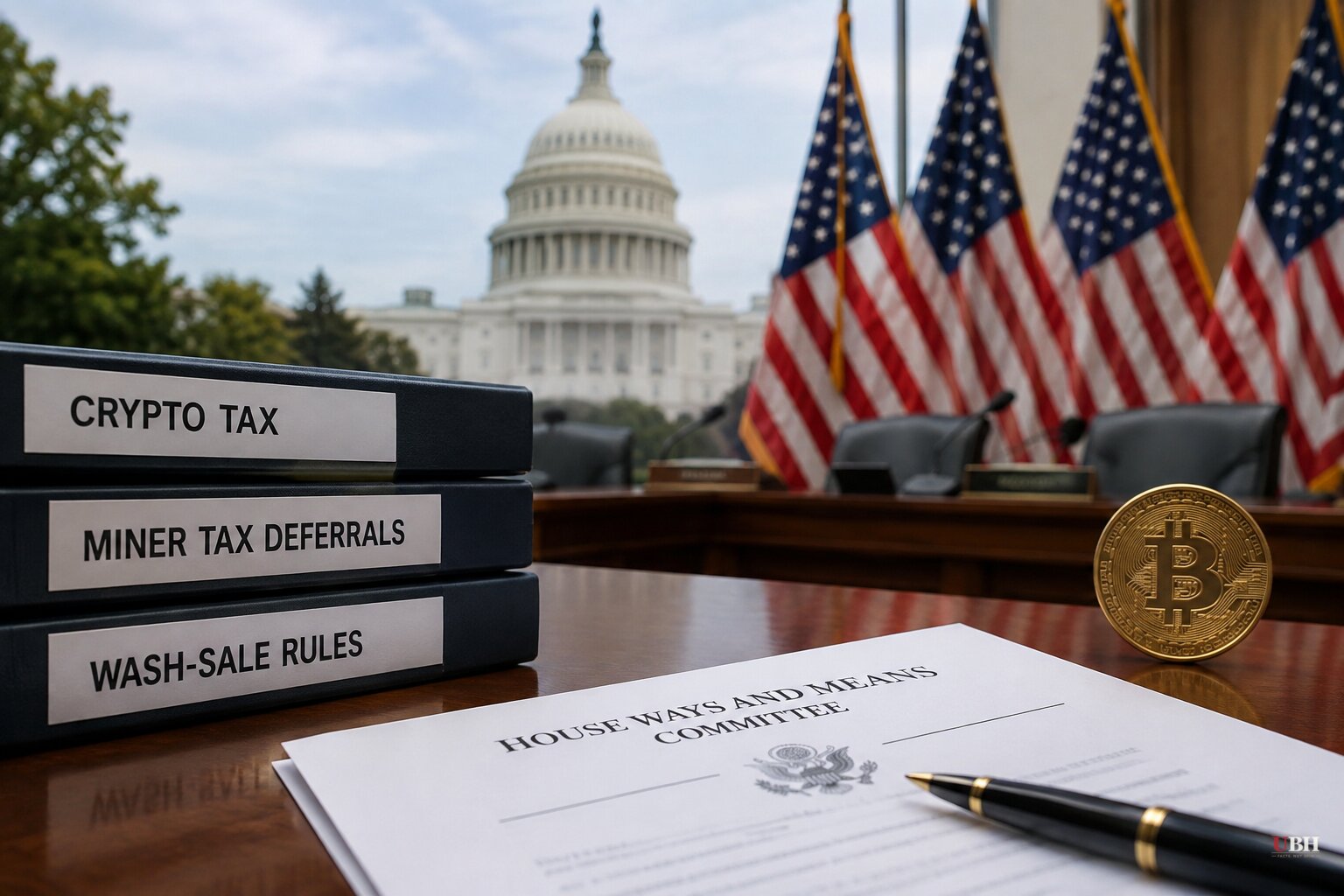
Since the Senate GOP's 630-page CLARITY Act rewrite dropped on September 11 targeting crypto projects that fake decentralization, the House side of the digital asset policy push has hit its own scheduling wall. The House Ways and Means Committee has set a September 16 markup on a pair of crypto tax bills, according to Crypto Briefing and TradingView. It may be the last real chance for either chamber to move crypto tax legislation before Congress leaves town for the midterms.
What's actually in the bills
The first bill, the Tax Clarity for Mining and Staking Act (H.R. 9175), would let miners and stakers defer paying income tax on newly created tokens until they actually sell them. Right now, a miner who validates a block can owe tax the moment tokens hit their wallet, even if they never cash out. The bill pushes the taxable event to the point of sale, taxed then as ordinary income.
The second bill, the Applying Existing Tax Anti-Abuse Rules to Digital Assets Act (H.R. 9172), does the opposite of the industry a favor. It extends wash-sale and constructive-sale rules, already standard for stocks, to actively traded crypto. Right now crypto traders can sell Bitcoin or Ethereum at a loss, claim the deduction, and buy the same asset back minutes later. Stock traders can't do that. Treasury has previously estimated closing this loophole could raise roughly $23.5 billion over ten years, according to Crypto Briefing and TradingView.
That $23.5 billion figure requires a caveat. It comes from a past Treasury projection, not a fresh score. OneBullex reported that the Joint Committee on Taxation has not yet released a revenue estimate specific to this markup, and that number will matter for whether the package can move through Senate budget reconciliation with a simple majority instead of needing 60 votes.
Both bills follow a June 9 hearing where the committee heard from Coinbase, Fidelity, Coin Center, and NYU Law's Tax Law Center, all pushing the same message: give the industry clear rules, and do it fast. Democrats on the committee have been cooler, calling for more study before advancing the package, according to Crypto Briefing.
That Democratic caution is a fair position to state plainly. Rewriting how millions of taxpayers report crypto gains, mid-tax-year, with a JCT score not yet public, is the kind of change reasonable lawmakers might want vetted before a vote. Whether that caution reflects genuine policy concern or a slow-walk strategy isn't something the record settles either way.
The calendar problem
House Republican leadership announced on September 3 that the chamber would cut its final two weeks of planned September session, recessing no later than September 17 and not returning until November 9, according to cryptacount. That single decision shrank the working window for this markup and any follow-on floor vote from weeks to days.
The House returned from summer recess on August 31. The Senate is scheduled to follow on September 14, with a procedural vote on September 15 being watched as a signal of whether either chamber has appetite to move financial or tax legislation before the midterms, per cryptacount. If the September 16 markup clears committee, the honest next question is whether House leadership finds floor time in the one day left before the scheduled recess, or whether the bill sits until the lame-duck session starting in November.
Lame-duck sessions can move fast when there's bipartisan momentum. They can also stall completely depending on how November's elections shake out and what leadership decides is worth spending political capital on afterward.
Why the industry cares regardless of the calendar
The crypto industry isn't waiting to see how the calendar shakes out. Four major crypto interest groups have put roughly $202 million into the 2026 midterm cycle, according to the Daily Wire, one of the largest political spending pushes from any single industry this cycle. That money is aimed at electing a Congress willing to rewrite digital asset rules, tax and otherwise.
Notably, a Daily Signal opinion piece laying out Republicans' priority list for a productive September, covering the Chloe Cole Act, the Title IX Clarification Act, the Permanent Trump Secure Border Act, and the Great American Outdoors Act, made no mention of the crypto tax package at all. This suggests the crypto tax bills aren't drawing the same attention as border and culture-war legislation, at least among some Republican commentators, even as industry money floods the midterms.
The wash-sale provision also cuts against the industry's own short-term interest. Crypto traders have used the current gap to harvest tax losses and immediately rebuy the same asset, a strategy stock investors haven't been allowed since the 1920s. Closing it raises money for the Treasury but removes a tax benefit the industry has enjoyed for years, which may explain why the mining and staking deferral bill, favorable to the industry, is being packaged alongside it.
The committee's September 16 vote will show whether the package clears committee at all before the House's scheduled recess. Whether it ever reaches a floor vote this year now depends on one day of House floor time and, failing that, a lame-duck session whose priorities won't be set until after November's results are in.
Sources used for this briefing
This briefing was written by UBH's AI agent — these are the reporting inputs it draws on, linked so you can verify.


