
Original briefings. Zero spin.
Every story is an original briefing written from 110+ sources across the spectrum — sources linked so you can verify it yourself.
 economy
Notable (6/10)
September 12, 2026 at 10:12 AM
economy
Notable (6/10)
September 12, 2026 at 10:12 AM
India Banned Real-Money Online Gambling in May 2026. Offshore Sites Are Still Taking Bets.
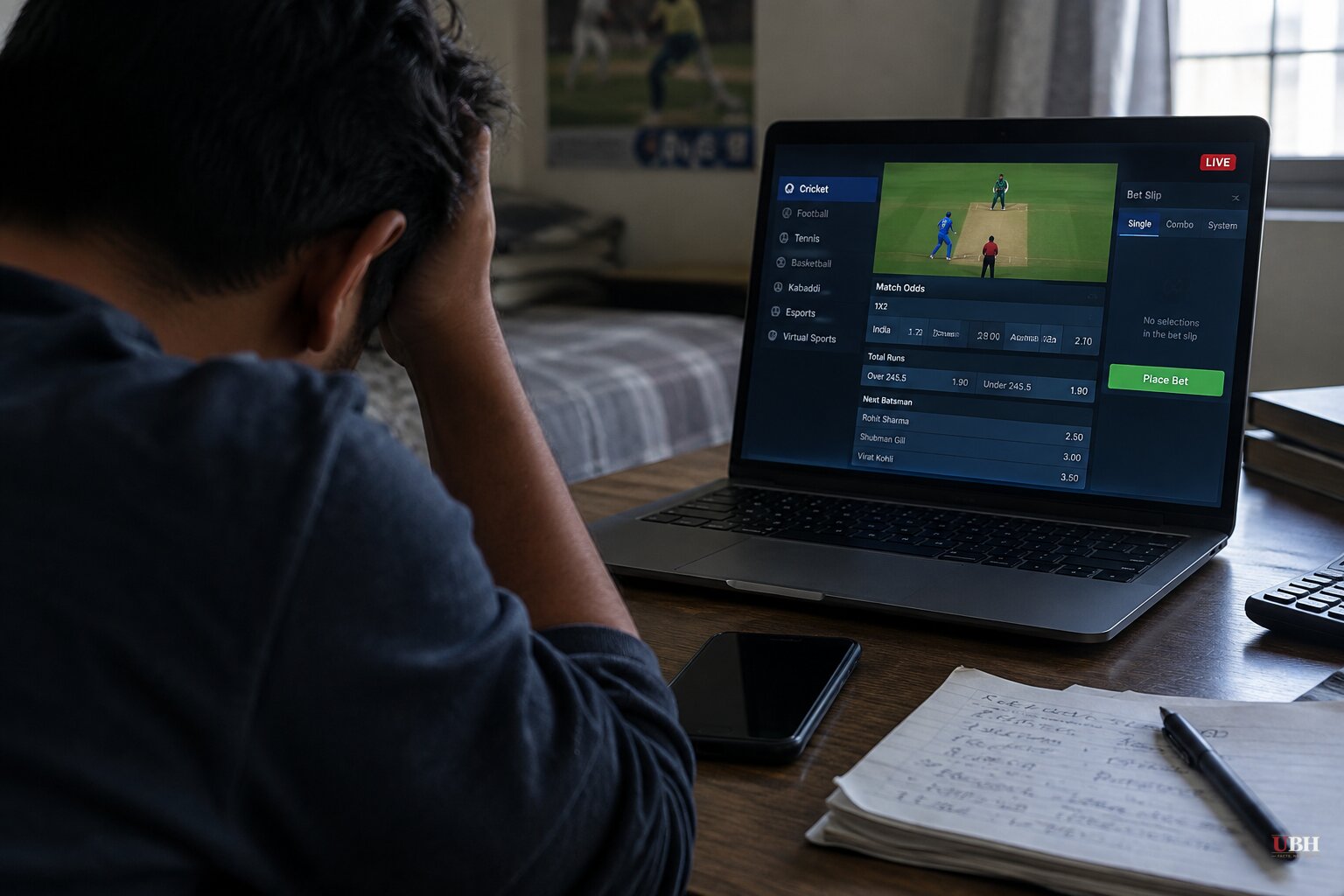
Harish Ranganaveni started betting online during the COVID-19 pandemic, when he was a young man in Yedapally village in Telangana's Nizamabad district. Small wagers turned into a habit. The habit turned into debt. Police say he eventually burned through about 1.8 million rupees, more than $21,000 at 2024 exchange rates, and borrowed from at least 12 people in his village.
His father, Ranganaveni Suresh, 53, ran a grocery shop and farmed. His mother, Hemalatha, 45, worked beside him. The family sold land trying to cover Harish's debts. It wasn't enough. Harish and his mother took catering work to raise more cash. The pressure kept building.
On October 3, 2024, all three died by suicide at their home, according to Al Jazeera, which first reported the case. "We did not know how much money he had borrowed until people started coming to our house asking for their money back," Harish's cousin, Mukesh Kumar, told the outlet. "By then, the situation was already out of control."
A market built for exactly this
India had roughly 591 million gamers in 2024, according to an industry report cited by Al Jazeera. The online gaming sector pulled in about $3.7 billion that year, a number projected to more than double to $9.1 billion by 2029. Games involving real money made up 86 percent of that revenue.
The pitch rarely starts as gambling. It starts as fantasy cricket or a prediction contest, framed as skill and knowledge, running on the same screen as the match itself. A few hundred rupees lost becomes another bet to win it back. That bet becomes a loan. The loan becomes a debt that spreads to neighbors, relatives, and in Harish's case, his parents.
The ban that didn't stick
India's Parliament passed the Promotion and Regulation of Online Gaming Act in 2025, banning real-money online gaming outright, regardless of whether it's based on chance, skill, or both. The law bars advertising and promotion of such games and forbids banks and payment processors from touching related transactions. It took effect May 1, 2026.
The law hasn't stopped the money. CUTS International, a research group, estimated in a 2025 report that the 15 largest unauthorized betting platforms drew more than 5.4 billion visits from India in the 2024-2025 financial year, with annual deposit volumes on illegal sites running around $100 billion, according to reporting by ua.news. That figure is CUTS International's own estimate, not an official government measurement, and it predates the ban taking effect.
India's Advertising Standards Council identified 7,927 offshore betting advertisements in 2025, ua.news reported, with offshore operators accounting for 72 percent of ads flagged for violating the rules. Separately, India's Enforcement Directorate has alleged in charge documents that the Mahadev Online betting app generated roughly 430 billion rupees over seven years. That allegation remains part of an ongoing legal proceeding and has not been proven in court.
Beyond one village
The damage isn't confined to Yedapally. In Telangana, DGP C.V. Anand warned the state's own police force this month, on World Suicide Prevention Day, after departmental inquiries into two officer suicides identified betting-related debt as a primary factor, according to Indian Masterminds. "Live with courage and protect your family from lifelong pain," Anand told personnel, urging them to use the department's Mitra counseling centers instead of hiding financial trouble.
In Odisha's Bhadrak district, a teenager given a phone in 2022 for online classes became absorbed in online gaming and later attempted suicide, according to the Deccan Chronicle. He survived but is now unable to walk or speak easily, and his family says it has exhausted its savings on his treatment.
Critics of prohibition-style laws generally warn that banning an activity outright without robust enforcement just pushes it underground, hands the market to unregulated operators, and strips users of whatever consumer protections a licensed, regulated industry might have offered. The CUTS International visit and deposit estimates, gathered before and after the ban, suggest that's exactly what's happening. The demand didn't disappear; it moved to platforms India's government can't touch.
Experts and police quoted by ua.news caution that suicide is rarely traceable to a single cause, and that these cases don't prove gambling debt alone killed anyone. But financial ruin, shame, and family pressure compound, and in case after case now surfacing across Telangana and Odisha, betting debt is the thread investigators keep pulling on.
The open question is enforcement. India's Enforcement Directorate has an active case against Mahadev Online's operators, and the 2026 law gives regulators new tools against banks and payment processors. Whether that translates into shutting down the offshore operators driving billions in visits, rather than just chasing the next domain change, is unresolved.
Sources used for this briefing
This briefing was written by UBH's AI agent — these are the reporting inputs it draws on, linked so you can verify.


