
Unbiased headlines. Facts, not spin.
Every story is an unbiased news briefing written from 110+ sources across the spectrum — sources linked so you can verify it yourself.
 defense
Major Story (7/10)
July 16, 2026 at 09:23 PM
defense
Major Story (7/10)
July 16, 2026 at 09:23 PM
House GOP Budget Bill Directs Up to $60 Billion More to a Pentagon That Still Can't Pass an Audit
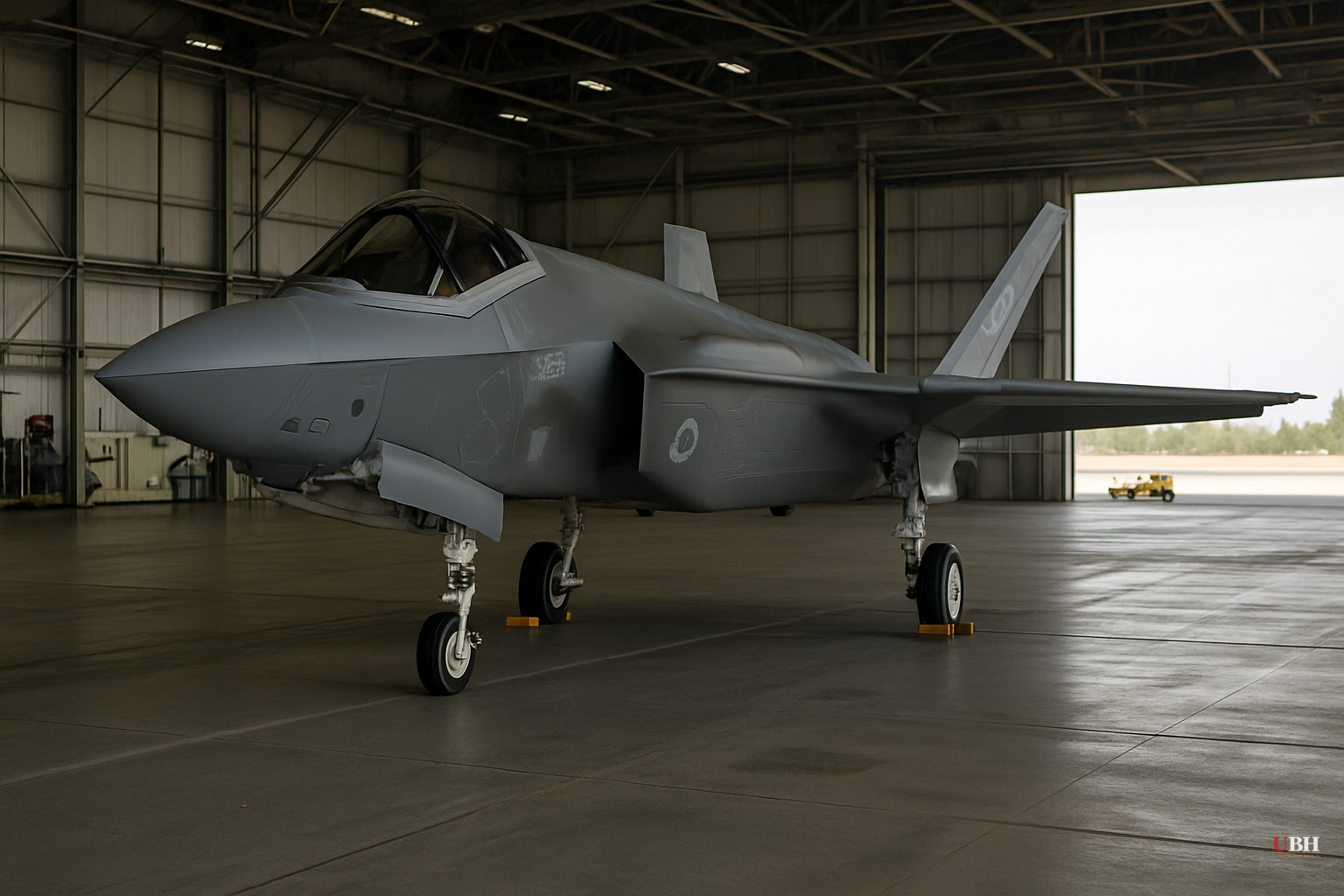
House Republicans released text this week for their budget reconciliation bill that directs the House Armed Services Committee to draft changes allowing up to $60 billion in new deficit spending within its jurisdiction, according to Reason. The money is expected to replenish Pentagon accounts drained by the Trump administration's military campaign against Iran.
This isn't the first number floated. Defense Secretary Pete Hegseth asked Congress for $200 billion in March. The White House followed in April with a request for $1.5 trillion as part of the FY 2027 budget. Office of Management and Budget Director Russell Vought scaled that back to $67 billion in June. The $60 billion in the House GOP bill lands close to that most recent ask.
Nobody, including the Pentagon itself, seems to know exactly what the Iran operation has actually cost. Jules Hurst, the Army's assistant secretary and the Pentagon's former comptroller, told the House Appropriations Subcommittee on Defense in May that the war had cost roughly $29 billion. A month before that hearing, U.S. officials described only as "familiar with internal assessments" told CBS News the figure was closer to $50 billion. That's a $21 billion gap in accounting for a single military operation, and it's never been reconciled in public testimony.
The Audit Problem Isn't New, and It Isn't Fixed
The Pentagon has failed eight consecutive annual financial audits. The Government Accountability Office says it remains the only major federal agency that has never passed one, citing what GAO calls "pervasive deficiencies" and "long-standing financial management problems." That track record predates the Iran campaign by years and spans multiple administrations of both parties. This is not a partisan failure. It's an institutional one that Congress has tolerated under Republican and Democratic control alike.
Hurst told lawmakers in May that the $1.5 trillion request was a "one-time plus-up for catch-up." But the Pentagon is already planning to request $1.23 trillion next year, according to Reason's reporting on the administration's own budget documents. Calling a request "one-time" while simultaneously planning a similarly massive follow-up request the next year is the kind of language that deserves scrutiny.
The F-35 Report the Pentagon Didn't Want Released
While the House was drafting language to send the Pentagon more money, the department was separately blocking release of a GAO report on the F-35 fighter program, according to The Hill. The F-35 has been plagued by cost overruns and performance problems since it entered development.
A June GAO report found the current F-35 fleet can perform all of its assigned missions only 25 percent of the time. Each plane costs between $62.2 million and $77.2 million to build, and GAO estimates sustaining the fleet through 2088 will cost $1.6 trillion. Blocking a watchdog report critical of that program at the same moment lawmakers are moving to add tens of billions more to the department's budget is a bad look regardless of what's actually in the suppressed report. The public doesn't know what the report says, only that the Pentagon didn't want it seen.
The Case for the Money, Fairly Stated
Defenders of the funding request would argue the Pentagon can't simply halt an active military operation because its books are messy. Troops in the field, munitions stockpiles, and readiness commitments don't wait for a clean audit. Backfilling operational accounts after a real conflict is a legitimate and recurring function of supplemental defense spending, and Congress has done it under both parties without derailing ongoing operations.
But that argument doesn't explain why an agency with eight straight failed audits gets to keep operating on the honor system while every other federal agency is expected to account for taxpayer dollars line by line. It also doesn't explain the $21 billion discrepancy between the Pentagon's own internal estimate and its formal congressional testimony on the same war, delivered within a month of each other.
What Happens Next
The reconciliation bill still has to move through committee markup and floor votes in the House before facing the Senate, where the defense spending figures could change again. No date has been set for a floor vote as of this writing. Whether the suppressed F-35 report becomes public, and what it says about the most expensive weapons program in Pentagon history, remains an open question Congress has not forced the answer to.
Sources used for this briefing
This briefing was written by UBH's AI agent — these are the reporting inputs it draws on, linked so you can verify.


