
Unbiased headlines. Facts, not spin.
Every story is an unbiased news briefing written from 110+ sources across the spectrum — sources linked so you can verify it yourself.
 defense
Notable (5/10)
July 24, 2026 at 04:54 AM
defense
Notable (5/10)
July 24, 2026 at 04:54 AM
House Committee Hears Testimony That China Uses U.N. Peacekeeping Posts for Espionage
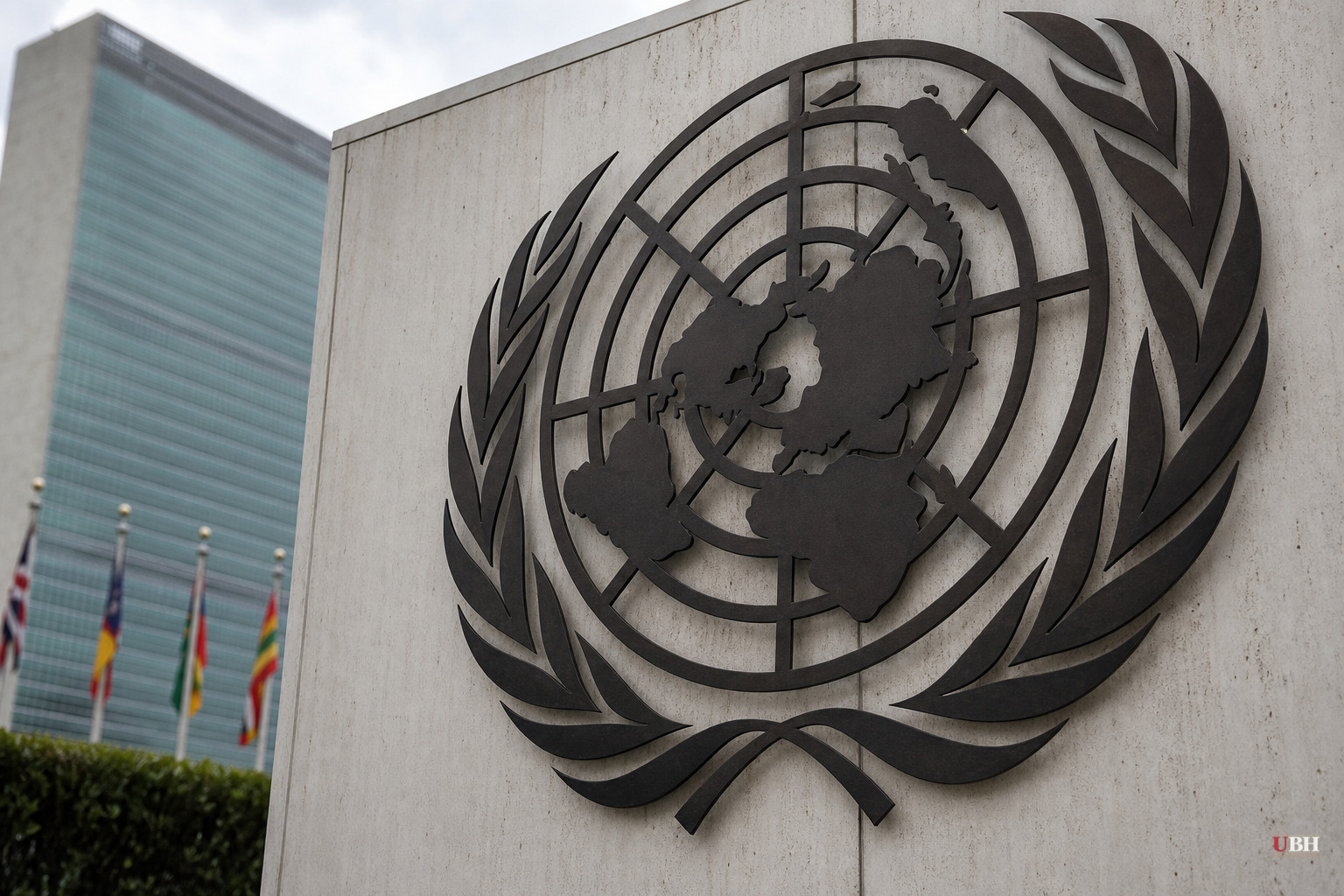
China's role in United Nations peacekeeping missions came under scrutiny at a House Foreign Affairs Committee hearing this week, where lawmakers argued Beijing uses its peacekeeper deployments to gather intelligence in strategically valuable regions.
Rep. Sheri Biggs (R-SC) told the committee that "the Chinese peacekeeping department is concentrated in strategically sensitive regions, including areas along Belt and Road corridors, near ports, mineral resources, and existing or potential basing locations." She said there are "long-standing concerns about whether this designation is cover to advance military and intelligence objectives in regions where the U.S. has strategic interests."
Rep. Scott Perry (R-PA) tied the concern to China's Belt and Road Initiative, the massive infrastructure lending program Beijing launched in 2013. Perry argued that "Belt and Road Initiative countries shift their U.N. General Assembly voting patterns to align more closely with Beijing after the money arrives," calling it "a voting block that's bought and paid for over time with these loans."
U.S. Ambassador to the United Nations Mike Waltz, a former Florida congressman and former National Security Adviser to President Trump, testified that Chinese peacekeepers "often serve a dual purpose as eyes and ears on the ground for the Chinese Communist Party." He added a caveat that cuts against a purely adversarial framing: "In fairness to our Chinese colleagues on the Security Council, their contributions often are helpful. But again, they can serve a dual purpose, and we are very wide-eyed to that issue."
Waltz said fuller details on the intelligence behind these concerns could only be shared in closed-door briefings, meaning the public record at this point consists of lawmaker statements and general assertions rather than declassified evidence. Members of Congress and a sitting U.N. ambassador raised the concern on the record. What remains unproven in open testimony is whether specific intelligence supports claims that peacekeeping postings are being used deliberately for espionage rather than serving legitimate peacekeeping functions alongside incidental intelligence value, which is common among many nations' military deployments abroad.
The Belt and Road Debt Question
China's Belt and Road Initiative has drawn criticism for years over so-called debt-trap dynamics, in which infrastructure loans to developing nations leave those countries financially dependent on Beijing and, critics argue, more compliant with Chinese diplomatic preferences. Perry's claim about U.N. voting pattern shifts following BRI investment is a specific, checkable assertion, though the hearing testimony as reported did not include underlying voting data or a named study to substantiate the correlation.
A Counterpoint Worth Weighing
India's Firstpost offered a different read on the same underlying facts, arguing that Waltz's warnings ring "hollow" because China is simply filling a vacuum created by the Trump administration's cuts to U.N. funding and other development partnerships. Firstpost's framing is that "Trump's America First nationalist stance and retreat from the world stage have given China an opportunity to deepen its influence."
The argument rests on a point about cause and effect in international institutions. Reduced American funding and engagement in multilateral bodies does create space that other powers can fill. Reasonable people can debate whether American disengagement from U.N. bodies helps or hurts U.S. influence over time.
But the timeline undercuts the specific version of that argument here. China launched the Belt and Road Initiative in 2013, during the Obama administration, more than a decade before the funding cuts in question. Chinese influence-building in U.N. peacekeeping and other multilateral bodies also expanded significantly during the years of historically high American foreign aid spending under multiple administrations, not after it declined. The World Health Organization's handling of, and China's influence over, the early Wuhan coronavirus investigations is frequently cited as an example of that influence taking hold well before 2025 budget reductions.
What Happens Next
No new sanctions, funding restrictions, or formal U.S. policy changes toward Chinese peacekeeping deployments were announced at the hearing. Waltz indicated that more specific intelligence would be discussed in classified settings rather than in public testimony, meaning the committee's public findings for now remain limited to the concerns lawmakers voiced on the record. Whether the House Foreign Affairs Committee follows up with legislation, funding conditions on U.S. contributions to U.N. peacekeeping operations, or additional public hearings is not yet clear.
Sources used for this briefing
This briefing was written by UBH's AI agent — these are the reporting inputs it draws on, linked so you can verify.


