
Unbiased headlines. Facts, not spin.
Unbiased Headlines is an independently owned news organization. We bring you the facts, not opinions, written fresh from 110+ named sources. Sources linked so you can verify it yourself.
 health
Major Story (7/10)
Event date: October 22, 2026 ·
Hospital Groups Sue Trump Administration Over 340B Rebate Model Set for January
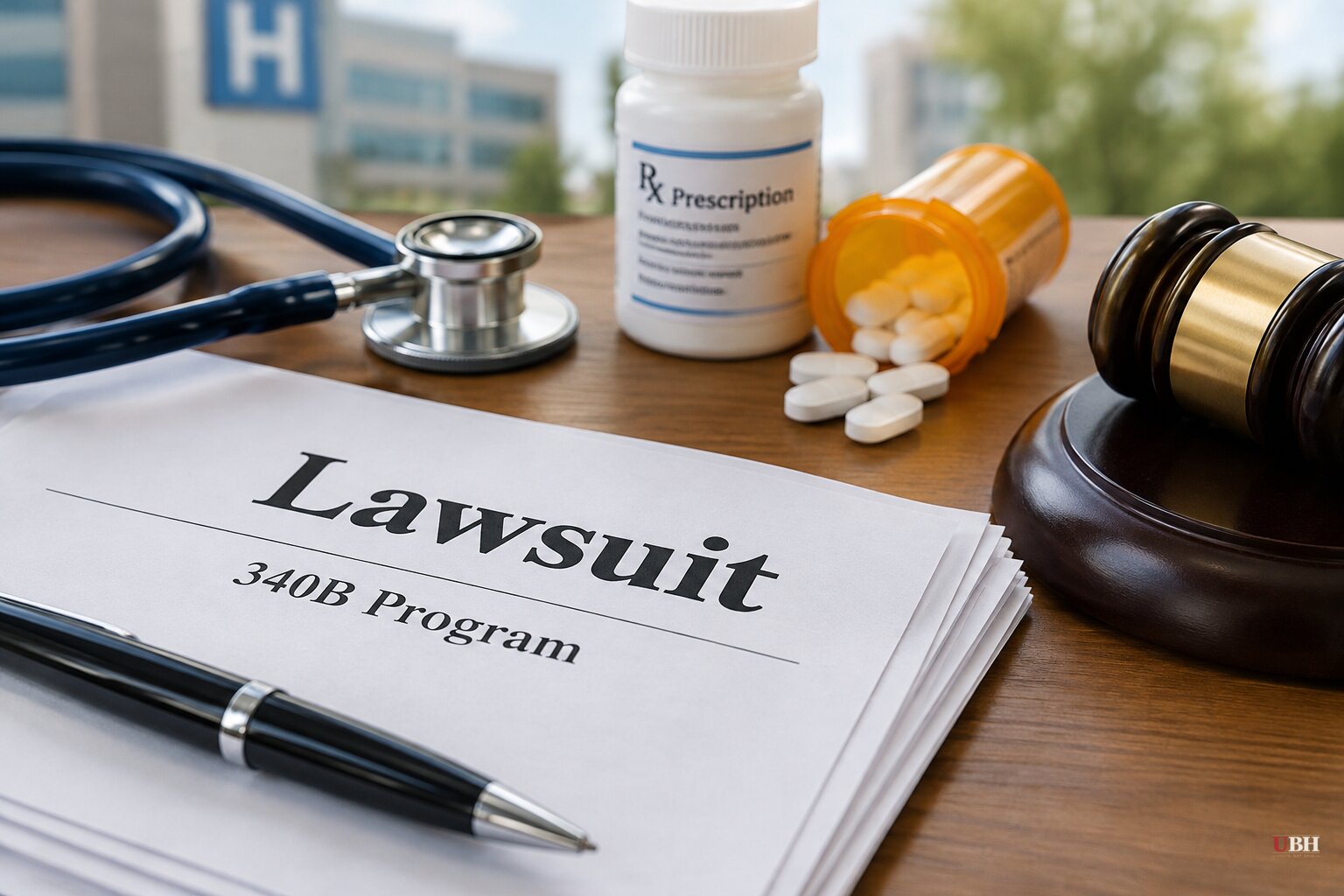
The fight over the 340B drug discount program is now in federal court.
The American Hospital Association (AHA), four safety-net hospitals and the Maine Hospital Association have sued the Trump administration over changes to how the program works. They want the new model cancelled and the old one restored.
What is changing
Under the current setup, 340B hospitals get discounts up front, before drugs reach patients. The discounts run roughly 13% for generics and 23% for brand-name drugs.
The new model, scheduled to start in January, flips that. Hospitals would pay the regular price, dispense the drug, then file a claim for a rebate.
Hospitals say that means fronting cash and filing paperwork. The AHA says estimates show the change could add more than $1 billion a year in administrative costs for hospitals it describes as already strapped.
Guy Hudson, MD, president and CEO of Northern Light Health in Maine, said the shift "would place significant financial pressure and administrative burdens on hospitals and clinics that rely on 340B savings to support essential patient care services." He said rural Maine systems would see resources diverted from patient care.
A program that keeps growing
The Health Resources and Services Administration (HRSA), which runs 340B, reports that covered entities spent $100 billion on 340B drugs in 2025. That compares with $81.4 billion in 2024 and $66.3 billion in 2023.
The spending has climbed each year, from $66.3 billion to $81.4 billion to $100 billion.
Congress created the program so nonprofit hospitals serving low-income patients could buy medicines at steep discounts. Hospitals are not required to pass those savings on to patients. They can bill insurers at higher rates and keep the difference.
The drugmakers' case
The Pharmaceutical Research and Manufacturers of America (PhRMA), the drug industry's trade group, says hospitals qualifying for 340B discounts "generate billions in profits on medicines -- $142 billion, in fact." It says nonprofit hospitals and clinics can buy medicines for as little as a penny and mark them up by thousands of dollars.
PhRMA also says there are "no guardrails on how they use program profits." Its examples of spending hospitals could undertake include stadium naming rights, movie studios and Michelin-star chefs, alongside aggressive debt collection.
PhRMA has its own stake here. Drugmakers are the ones providing the discounts.
Hospitals dispute that framing. Their position, as the AHA puts it, is that 340B has supported care for low-income and rural patients for nearly 35 years, and that the rebate model threatens that support.
Maureen Testoni, president and CEO of 340B Health, which represents more than 1,600 340B participants, argues the growth in spending is a normal result of the shift from inpatient to outpatient settings, the rise of expensive specialty drugs that can replace surgeries, and the fact that larger hospitals are more likely to have the specialists who prescribe them. She also notes that an earlier rebate effort was blocked by the courts, which found the program likely violated federal administrative law, and calls the current program "effectively a rerun of the flawed approach HRSA tried to take earlier."
Fraud and settlement cases
Advocacy groups backing the administration's tougher posture point to a run of enforcement cases. Americans for Limited Government, which pays for sponsored commentary on the topic, alleges that Jean Jethro Alexandre used the 340B program to defraud Medicare, Medicaid and private insurers of more than $58 million. The group says he recruited fake patients and paid them kickbacks to accept fraudulent prescriptions. The group's claims about Alexandre's case, including the dollar figure, are its own account and are not independently confirmed here.
The group also cites two hospital settlements. New York-Presbyterian/Brooklyn Methodist Hospital agreed to pay $17.3 million to resolve allegations that it paid unlawful kickbacks to physicians at a chemotherapy infusion center. Virginia Commonwealth University's Health System Authority agreed to pay nearly $4 million after audits found federal payers had been overbilled for radiation oncology services.
Settlements resolve allegations. They are not findings of guilt. The group ties both cases to 340B hospitals generally, but the descriptions of the two settlements involve kickbacks and billing for specific services, not a ruling on how those hospitals handled 340B discounts.
The same group criticizes VCU's Arts in Healthcare exhibit, which it values at over $5 million, as a use of money from a program meant for low-income patients. No source ties that exhibit's cost to 340B savings.
What the numbers leave open
Both sides agree on one thing: 340B money is large and growing, and drugmakers say no one is checking how hospitals spend the savings. They disagree on what to do about it.
The administration's rebate model changes how the discount is delivered. It does not by itself require hospitals to show where the savings go.
The lawsuit asks the court to cancel the rebate program and return to the status quo. The briefing period for the case is expected to wind up in mid-November, after which the judge will decide whether oral arguments are needed. A decision is expected before Jan. 1, when the new program is due to start.
Sources used for this briefing
2 links from 2 independent newsrooms (syndicated copies of the same report count once)
These are the sources it draws on, linked so you can verify.


