
Unbiased headlines. Facts, not spin.
Unbiased Headlines is an independently owned news organization. We bring you the facts, not opinions, written fresh from 110+ named sources. Sources linked so you can verify it yourself.
 health
Major Story (8/10)
CVS Health to Split Retail Pharmacies From Insurance Arm, WSJ Reports, Citing the Company
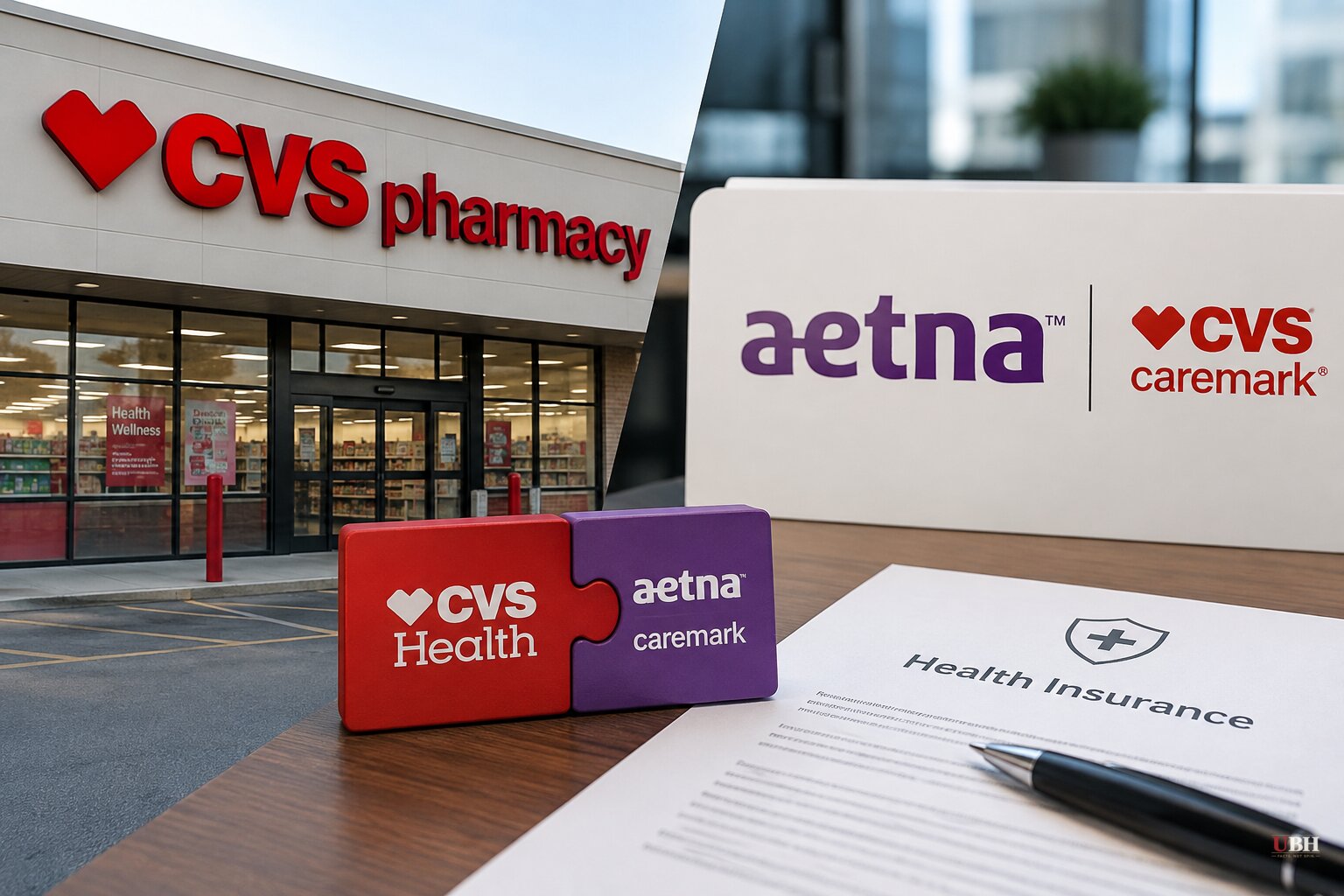
CVS Health plans to break itself into two companies, the Wall Street Journal reported today, Nov. 3, citing the company. One half would hold the retail pharmacies. The other would hold the insurance and pharmacy-benefit businesses.
According to the Journal, one of the two companies will keep the CVS Health name and be led by current CEO David Joyner. The report does not say which one. CVS did not immediately respond to a Reuters request for comment.
Two reports, two levels of certainty
The Financial Times reported earlier in the day that CVS was considering spinning off its retail pharmacy business into a separately listed company. In that version, Aetna and the pharmacy-benefit manager Caremark would stay together under one corporate roof.
The FT described the talks as early-stage, with no final decision made. The Journal's account, attributed to the company, is firmer: CVS will split.
Those two descriptions don't match. CVS has not publicly detailed a structure, a timeline, or a decision.
What would be unwound
CVS operates about 9,000 retail pharmacies, down after years of store closures. Its roughly $78 billion purchase of Aetna in 2018 was the centerpiece of a strategy to build an integrated healthcare company, with insurance, drug-benefit management and storefronts under one roof.
A separation would reverse that strategy. It would also split apart a company that reported record 2025 revenue of $402.1 billion, up 7.8% from the prior year.
This isn't a new idea inside the building. Reuters reported in 2024 that CVS had explored options including a breakup, as the company struggled across its businesses. Joyner took over in October 2024. Shares have rebounded under him, lifting CVS's market value to about $117 billion.
Shares were up 1.2% in extended trading after the Journal report, per Reuters.
The political backdrop
The timing lands amid growing political and regulatory scrutiny of pharmacy benefit managers and their role in the U.S. drug supply chain. That scrutiny falls hardest on companies that combine insurance, drug-benefit management and pharmacy operations under one corporate umbrella. CVS is one of them.
No source has said the scrutiny is the reason for the split. CVS has not stated its rationale.
Under the FT's version, Caremark and Aetna would stay together. The PBM business, the piece of the structure drawing the political heat, would not be separated from the insurer under that outline.
Drug pricing is already under the microscope
Separately, another corner of the drug-pricing system is getting fresh attention. The 340B Drug Pricing Program lets qualifying providers buy drugs at steep discounts and sell them at retail prices, keeping the difference.
A new Pioneer Institute report found hospitals in the program spend less on charity care than other hospitals. Federal policymakers are moving to reform the program.
Berkeley Research Group found patients and payers spent $244 billion on drugs bought under 340B last year. Those drugs cost the covered entities $100 billion, according to Health Resources and Services Administration data. BRG estimated the markup netted covered entities more than $142 billion.
From 2020 to 2025, 340B sales grew 152%, nearly three times the growth of all U.S. drug sales, according to BRG. About 1,150 participating hospitals operated more than 28,000 off-site entities in 2025.
Federal law does not specify how covered entities must spend the profits. A report funded by PhRMA, the trade group for the drugmakers who provide the discounts, found 60% of the money spent on 340B drugs is retained as profit by hospitals, clinics and their for-profit partners. PhRMA is an interested party in that fight.
No source in the reporting ties CVS to the Pioneer or BRG findings. They describe a separate program.
What comes next
CVS is scheduled to report third-quarter results Wednesday, Nov. 4. The company has not said whether it will address the split in that report or on the earnings call.
The open questions are specific. Which company keeps the CVS name? Is the split decided, as the Journal's account suggests, or still under study, as the FT described? And does the PBM stay with the insurer? Investors will want answers from Joyner before the market opens.
Sources used for this briefing
6 links from 6 independent newsrooms (syndicated copies of the same report count once)
These are the sources it draws on, linked so you can verify.


