
Unbiased headlines. Facts, not spin.
Unbiased Headlines is an independently owned news organization. We bring you the facts, not opinions, written fresh from 110+ named sources. Sources linked so you can verify it yourself.
 health
Notable (6/10)
Event date: October 27, 2026 ·
Americans Owed at Least $220 Billion in Medical Debt in 2024 as Healthcare Costs Weigh on Midterm Voters
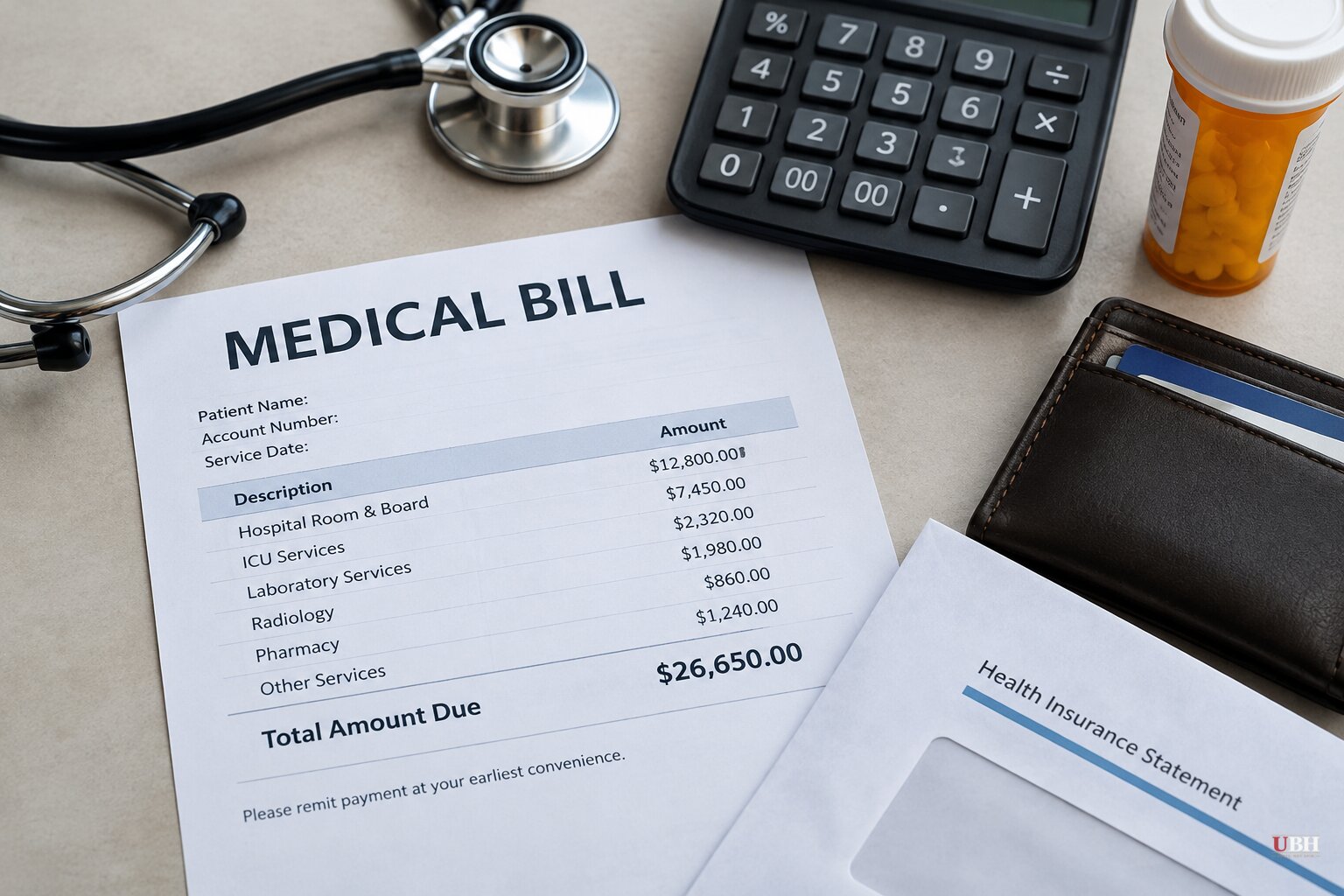
Americans owed at least $220 billion in medical debt in 2024, according to KFF. About 14 million people owed more than $1,000. Three million owed more than $10,000.
Today, Nov. 3, voters are deciding control of Congress. About half of registered voters told a September Fox News poll that healthcare costs are a major problem for them and their families. Four years ago that figure was a little more than one-third.
The debt is not just an uninsured problem
The Urban Institute, with funding from the Robert Wood Johnson Foundation, found that more than a quarter of American adults reported medical debt for themselves or someone in their family in 2025. More than half of those owed at least $1,000. Twenty-six percent of the people with debt had health insurance, and 17.6% of study participants on Medicare reported owing.
Hospital bills drove the most debt. Fifty-two percent of adults with medical debt cited hospital costs.
"Health insurance does not shield people from rising healthcare costs and the crushing burden of medical debt," said Katherine Hempstead, a senior policy officer at the Robert Wood Johnson Foundation.
Ohio shows the same pattern. Brian O'Rourke of the Health Policy Institute of Ohio said more than 1 in 5 Ohio adults struggled to pay medical bills in the past year, citing the Ohio Medicaid Assessment Survey. A quarter of Ohioans with private insurance were among them.
What the premiums look like
The average annual premium for employer-sponsored family coverage hit $28,303 in 2026, up 5%, according to KFF Health News. Workers paid $7,471 of that on average, up 9%. Workers at small firms paid $9,687.
National health spending reached nearly $5.3 trillion in 2024, up from $3 trillion a decade earlier, according to federal data. It is projected to reach 20% of GDP by 2032.
KFF's latest polling, updated Oct. 23, shows what that does to behavior:
- 28% of adults skipped or postponed care in the past 12 months because of cost.
- 22% had trouble paying medical bills, and 14% cut back on basics like food or clothes.
- 43% said they did not take medication as prescribed because of cost.
KFF Health News interviewed more than 130 people this year. Bill McAdams, a 45-year-old travel nurse in Holiday, Florida, was uninsured when he had a stroke. His agency's plan would have cost $3,600 a month for him and his wife. The hospital billed him $93,000.
Charity relief is growing, but it is small
Undue Medical Debt, founded in 2014 by former debt collection executives, buys portfolios of debt at a steep discount. The group says a $1 donation erases about $100 of debt. It takes no requests from individuals. People qualify if they earn four times the federal poverty level or less, or if their medical debt is 5% or more of annual income.
Dollar For, another nonprofit, says it has helped patients win more than $117 million in forgiveness or reductions through hospital financial assistance programs. Relief has risen sharply this year, but it covers a small fraction of the total owed.
Mary Shannon, director of the nonprofit Care Over Collections, said: "Addressing the affordability crisis in healthcare is what will ultimately get at the heart of the issue."
Two diagnoses, no agreed fix
The sources split on the cure. Jeffrey Tucker, in an Epoch Times commentary, argues the system is broken by design. Many workers, he says, would take salary instead of employer coverage if they were allowed to, but that is mostly not permitted. He also says some businesses cap headcount at 49 to avoid the employer mandate.
Tucker cites an estimated 4.8 million people expected to go uninsured in 2026 after enhanced Affordable Care Act subsidies expired. He also cites a 26% jump in marketplace premiums and insurer requests for median increases of 14% to 15% going forward.
On the other side, Ohio's policy institute has published research on how Medicaid cuts in the federal budget law, the One Big Beautiful Bill Act, and reduced ACA subsidies could affect the state's uninsured population. Those are projections of potential impact, not measured outcomes.
The political stakes
In an AP-NORC poll from September, registered voters were nearly twice as likely to say they trust Democrats over Republicans on healthcare. AP's reporting says those frustrations, combined with broader price worries, have sapped support for President Trump and the Republican Party.
That shows up in individual stories. Cindy Banda, a 46-year-old single mother in McAllen, Texas, voted for Trump in all three of his campaigns, motivated by her opposition to abortion. After breast cancer surgery, a year on sick leave and a $1,300 car payment, she said she started thinking about voting Democratic for the first time.
Banda has six children in her care. Her reconstruction surgery is likely early next year, and she told AP she hoped to get it in December because she has met her deductible. Come January, that deductible resets to $7,500.
Sources used for this briefing
7 links from 7 independent newsrooms (syndicated copies of the same report count once)
These are the sources it draws on, linked so you can verify.


