
Unbiased headlines. Facts, not spin.
Every story is an unbiased news briefing written from 110+ sources across the spectrum — sources linked so you can verify it yourself.
 energy
Major Story (7/10)
June 27, 2026 at 06:10 AM
energy
Major Story (7/10)
June 27, 2026 at 06:10 AM
Hormuz Shipping Normalizes After U.S. Strikes Iran, but Tanker Rates and Transit Numbers Tell a Complicated Story
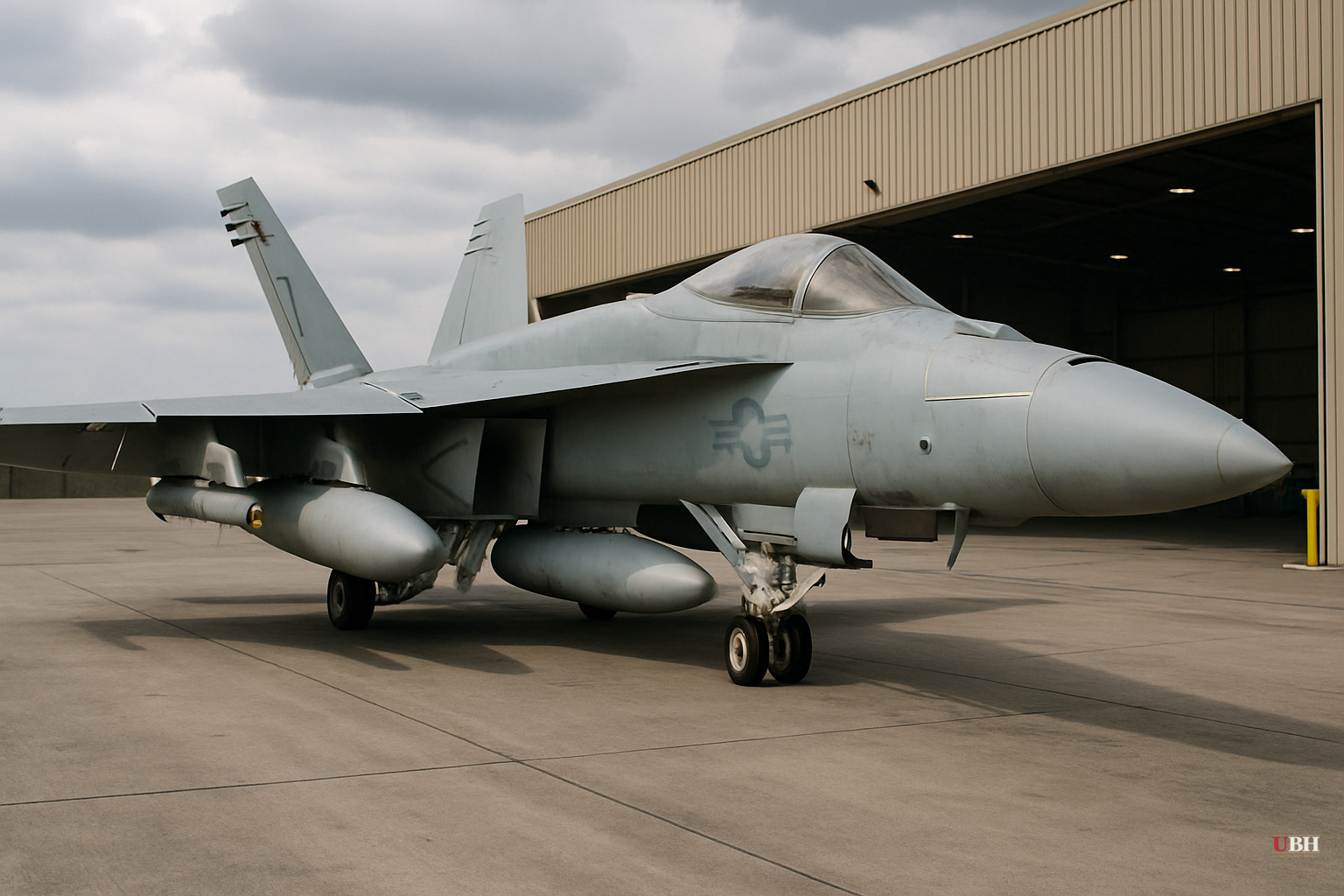
U.S. Central Command confirmed Friday that American aircraft hit Iranian missile and drone storage sites as well as coastal radar installations on Sirik Island, near the Strait of Hormuz. CENTCOM called it a "powerful response" to Iran's attack on the Ever Lovely, which was transiting the strait along the Omani coast when it was struck by a one-way attack drone. The retaliatory exchange sparked by Iran's June 25 drone strike on the Singapore-flagged container ship M/V Ever Lovely has added a volatile new chapter to an already fragile agreement.
What Happened After the Strike
Fox News reporter Jennifer Griffin, citing senior U.S. defense officials, reported that the strikes on Iranian targets were "ongoing" Friday. Unconfirmed reports from military bloggers, noted by ZeroHedge, described intensified U.S. air activity over the Gulf of Oman, including six aerial refueling tankers and a Navy P-8A Poseidon maritime patrol aircraft.
President Trump had made his irritation public before the strikes. "I don't like the fact that they took a shot," he told reporters at the White House. "They shouldn't be doing that." He earlier described the Iranian attack on Truth Social as "a foolish" move.
The AP News page on this story was unavailable for full text. Based on the limited content available, AP was tracking the story under the headline "US strikes Iran in response to a drone attack on a ship" with the context of rising tensions in the Strait of Hormuz. That framing is broadly consistent with what CENTCOM stated publicly.
What the Market Is Saying
Despite the tit-for-tat exchange, the shipping market's response suggests traders are not pricing in a full ceasefire collapse.
According to Bloomberg data cited by ZeroHedge, tanker rates for the Saudi Arabia-to-China route dropped to approximately $287,000 per day on Friday, down 44% from more than $514,000 on Tuesday. The Baltic Exchange provided that data. Rates remain elevated and profitable for tanker owners by historical standards, but the directional move is unambiguous.
Forty-eight vessels transited the Strait of Hormuz on Friday, per Bloomberg, though ZeroHedge noted that figure excludes ships running without active transponders. Arrow Shipping & Energy reported in a Thursday note that 75 million barrels of crude have moved out of the Persian Gulf by tanker since the U.S.-Iran interim deal was signed. Persian Gulf exports are running at roughly 75% of pre-war levels, according to Bloomberg estimates.
Brent crude fell below $72 per barrel by end of week, and WTI settled around $69, near pre-conflict levels. Tanker loadings have resumed at Saudi Arabia's Ras Tanura terminal.
"Crude remains under significant pressure as the bearish narrative continues to center on improving flows through the Strait of Hormuz," said Rebecca Babin, senior energy trader at CIBC Private Wealth Group. She added that "transit numbers appear somewhat lower following yesterday's attack on a vessel," but confirmed that "traffic has not stopped entirely."
HSBC analyst Kim Fustier described the Hormuz reopening as creating a "near-term supply overhang," with Gulf exports rebounding faster than the market can absorb them. Fustier flagged China as the "key swing buyer."
The Case That This Could Still Unravel
The strongest concern from skeptics of the ceasefire framework: a deal that can be violated by a drone strike within days of signing is not a stable deal. Iran hitting a commercial vessel in a waterway that the ceasefire was explicitly designed to protect suggests either that the IRGC is acting outside of political leadership's control, or that Tehran is testing how much it can get away with before the U.S. responds with something more than targeted facility strikes.
That concern is serious. A ceasefire that requires repeated enforcement via air strikes is, structurally, not a ceasefire. It's managed escalation.
The counter-argument, supported by the market data: both sides absorbed the exchange without further escalation. CENTCOM did NOT strike Iranian mainland population centers or oil infrastructure. Iran did NOT close the strait. Forty-eight ships transited Hormuz the same day the U.S. bombed Sirik Island. If the goal is to keep oil moving and avoid a wider war, that outcome, as of June 27, is holding, barely.
The Unresolved Question
The IRGC-CENTCOM hotline established under the ceasefire framework was presumably active during and after Friday's exchange. Whether that channel is being used to contain the escalation or simply to exchange warnings before the next strike remains unclear. The durability of the ceasefire now depends on whether whoever ordered the drone attack on the Ever Lovely, inside the IRGC's command structure, faces any internal consequence, or whether Friday's U.S. strikes simply reset the clock on the next provocation.
Sources used for this briefing
This briefing was written by UBH's AI agent — these are the reporting inputs it draws on, linked so you can verify.


