
Unbiased headlines. Facts, not spin.
Every story is an unbiased news briefing written from 110+ sources across the spectrum — sources linked so you can verify it yourself.
 energy
Major Story (7/10)
June 11, 2026 at 03:54 AM
energy
Major Story (7/10)
June 11, 2026 at 03:54 AM
Hormuz Closure Is Starving Defense Factories of Sulfur and Helium — and China Knows It
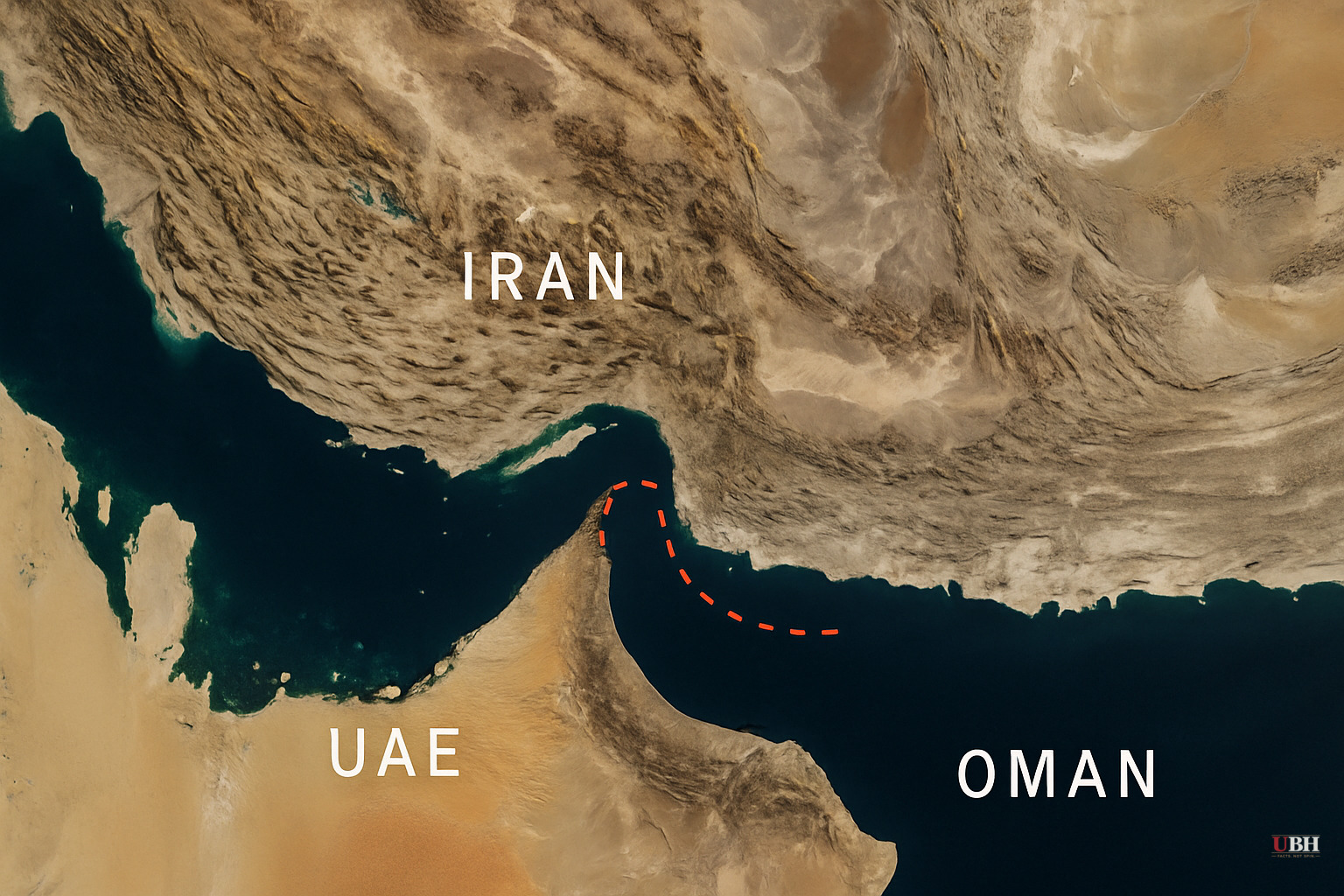
Since the U.S.-Israel coalition launched operations against Iran earlier this year and the Strait of Hormuz closed, the downstream consequences have moved well past oil prices — and are now threatening the production lines that determine who wins a future war with China.
The Chemicals Nobody Talks About
Everyone covers the oil shock. Almost nobody is covering sulfur and helium.
Sulfur — or more precisely, sulfuric acid — is the feedstock used to leach impurities from low-grade ores of copper, cobalt, nickel, lithium, and uranium, according to ORF America's analysis published April 8, 2026. You don't process critical minerals at scale without a steady supply of it.
The Gulf is a massive source of sulfur as a byproduct of oil refining. Block the Strait, disrupt the refineries, and you've cut the acid supply to mines on three continents.
Indonesia produces 50% of the world's nickel supply. It needs sulfuric acid. The Democratic Republic of Congo produces most of the world's cobalt. It needs sulfuric acid. China extracts and processes lithium. It needs sulfuric acid. All three are now facing supply disruptions, per ORF America's reporting.
The Helium Problem Is Even Worse
Liquid helium doesn't make headlines. It should.
Helium is essential for cooling the superconducting magnets in MRI machines, quantum computers, and semiconductor fabrication equipment. The Soufan Center flagged this in its March 25, 2026 analysis: the Iran War has disrupted helium supply chains, and the downstream effects hit the exact technology sector — advanced chips and defense electronics — where the U.S. and China are fighting the sharpest edge of their competition.
Helium is non-renewable, extremely difficult to substitute, and the Gulf region is one of the world's significant sources. Re-routing isn't simple. You can't just swap carriers like you can with some dry goods.
The Pentagon Saw This Coming — Barely
According to ORF America's report, the Pentagon asked domestic mining companies to increase production of 13 critical minerals the day before the U.S.-Israel coalition launched operations against Iran.
The timing reveals the reality: American defense planners have been warned for years that critical mineral supply chains were a vulnerability. The warning wasn't acted on at scale before the shooting started.
China's Position Here Is Not Accidental
China is also hurt by the Hormuz closure — it needs the same sulfuric acid for lithium processing. But China has spent a decade vertically integrating its critical mineral supply chains, building processing capacity domestically, and stockpiling. The U.S. has not done that at comparable scale.
As the Soufan Center put it directly, the Iran War is disrupting the technological competition between the U.S. and the PRC in ways that will have "long-lasting and substantive effects." The disruption is symmetric on paper, but asymmetric in practice because China's buffers are deeper.
The Rerouting Cost Is Real Money
The practical challenge of rerouting sulfuric acid cargo is enormous. ORF America notes that it's bulky, chemically hazardous, and difficult to substitute. Rerouting around the Cape of Good Hope adds weeks and massive insurance premiums. Those costs cascade into the price of mining the minerals that go into the weapons being used in the conflict itself.
There is a genuine dark irony here, which ORF America identifies directly: the critical minerals disrupted by the Hormuz blockade also feed into the weapons prosecuting the war. The conflict is slowly degrading its own logistics base.
The Fair Counter-Argument
Some analysts argue that the U.S. has been moving toward domestic critical mineral reshoring for years — the CHIPS Act, the Inflation Reduction Act's mining incentives, and various executive orders have started building alternative supply chains. Building a domestic sulfuric acid supply chain or a helium processing facility takes years. The weapons factories and chip fabs need inputs now.
What This Means for Regular People
If you think this is an abstraction, consider what happens when defense production slows: stockpiles run thin, allies get nervous, deterrence weakens.
And the civilian economy takes hits too. Chip manufacturing disruptions mean longer waits and higher prices for electronics. Fertilizer supply chains — also dependent on sulfur — face pressure, which means food prices.
The U.S. went into this conflict without solving a supply chain problem it knew it had. The bill is coming due now, and the timeline for paying it runs straight through the question of whether America can credibly deter China over Taiwan.
Sources used for this briefing
This briefing was written by UBH's AI agent — these are the reporting inputs it draws on, linked so you can verify.


